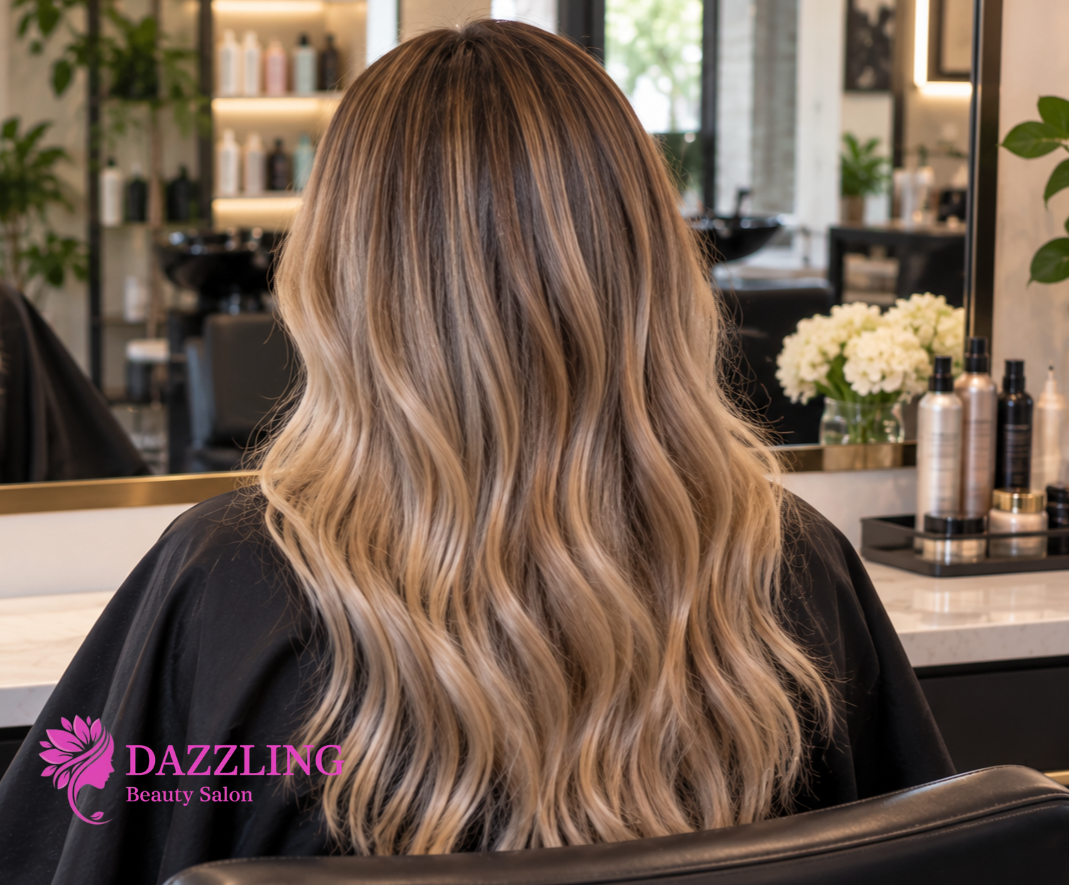
Getting your hair color wrong can be frustrating, especially when it turns out brassy, uneven, or just not what you wanted. But here's some good news: in many cases, a skilled stylist can fix your color in just one visit. Whether it's possible depends on your hair's current condition, the type of color issue, and its overall health. If you're dealing with a hair color disaster, this guide will help you figure out if one salon visit will do the trick or if a longer plan is the way to go.
At Dazzling Beauty Salon, clients often ask if a color mishap can be fixed quickly or if it will take multiple sessions. The truth is that a one-visit color correction is possible in some cases, especially when the problem is about tone, placement, or root regrowth. For more complex issues, like the buildup from dark box dyes or severe overlap damage, a careful, staged approach may be necessary to keep your hair healthy. If you're thinking about a fresh cut or a finishing touch to complete your new look, our hair styling and women's haircut services can help polish the final result after correction.
The American Academy of Dermatology explains that hair coloring and chemical processing can affect your hair and scalp if products are used incorrectly. That's why a professional evaluation is crucial. A stylist will look at porosity, previous color history, texture, and elasticity before suggesting a correction plan. In the sections below, you'll learn how stylists decide if your color can be fixed in one visit, what services might be involved, and how to protect your hair during the process.
What Color Correction Really Means
It’s More Than Just Fixing a Bad Color
Color correction isn't just one technique. It's a tailored plan to balance out unwanted tones, fix uneven application, restore dimension, or get rid of a shade that doesn't belong. Depending on the issue, a correction might involve toning, repigmenting, lightening, filling, root blending, or reshaping the overall color pattern. The goal isn't just to cover up the problem but to create a healthy-looking result that blends naturally.
Many people think color correction always involves a dramatic chemical process. Actually, some corrections are simple and can be handled quickly with a color touch-up or toner, while others need a more detailed plan. For instance, if your roots are a bit off from the rest of your hair, a carefully matched formula might solve the issue in one appointment. But if your hair's been lightened unevenly or has layers of old pigment, the correction might take longer and need multiple steps.
Why Color Problems Happen
Color issues often come from at-home dye mistakes, expired product, overlapping applications, or unrealistic expectations about how a shade will lift. Box dye is a common culprit because it can deposit more pigment than expected and behave unpredictably on previously colored hair. Even salon color can fade unevenly if hair porosity is inconsistent or aftercare isn't great. Environmental factors like sun exposure, swimming, and heat styling can also change the look of color over time.
The National Center for Biotechnology Information notes that hair fiber structure and chemical exposure strongly influence how hair responds to treatments. That’s why two people can use the same formula and see very different results. A correction that looks simple might be more complex once a stylist evaluates each strand of hair. This is why a quick consultation is so valuable before committing to a big color change.
When One Salon Visit Can Fix Hair Color
The Problem Is Mostly Tonal
A single visit can often fix problems that are mostly about tone rather than depth. Brassiness, warmth that looks too orange or yellow, or a dull finish can often be improved with glosses, toners, or a precise shade adjustment. These fixes work best when the base color is already close to where it should be and just needs a bit of refinement. A stylist can usually neutralize unwanted warmth with targeted formulas that don’t require major lightening.
For instance, a blonde that has turned too golden might just need a refresh and tone correction. In those situations, services like hair dye or a controlled toner application can restore the intended look without having to rebuild the color from scratch. If the client’s hair is in good condition and the shade problem is limited, the appointment can end with a finished, salon-quality result the same day.
The Color Is Too Dark but Still Even
If your hair turned out darker than you wanted but the color is even from roots to ends, one visit might still be enough to lighten it, depending on how much lightening is needed. A stylist can sometimes use a color remover, gentle lightening method, or strategic glossing to bring the shade closer to your goal. The easier the pigment is to lift, the more likely a same-day fix becomes.
This is where professional judgment matters. Hair dyed a single uniform shade might respond well to a controlled correction, while hair that’s been repeatedly colored or boxed for years can resist change. In many cases, the stylist may recommend stepping down one or two levels rather than forcing a dramatic transformation in one sitting. That preserves hair integrity while still delivering noticeable improvement.
The Hair Has Healthy Elasticity and Low Damage
Hair health is one of the biggest factors in determining if a one-visit correction is possible. Strong hair with good elasticity can often handle more processing than dry or fragile hair. If the hair springs back after a gentle stretch, has minimal breakage, and feels smooth, the stylist may have more options available. Healthy hair gives the colorist room to work safely and efficiently.
If the hair is already compromised, the safest correction might be conservative. In that situation, the stylist might pair a lighter color adjustment with restorative care rather than pushing for a dramatic color shift. A service like shampoo can also be part of the prep and recovery process, helping the stylist assess how the hair behaves before applying correction formulas. A well-cleaned canvas often leads to better application and more predictable results.
When Multiple Visits Are Better
There Is Heavy Box Dye Buildup
Old box dye buildup is one of the hardest situations to fix in one appointment. Box dye can be packed with strong pigment, and repeated applications create layers that don’t lift evenly. Trying to remove too much at once can cause patchiness, breakage, or unwanted warmth. In these cases, a staged correction plan protects the hair while gradually moving it toward the desired color.
A professional stylist will often test strands and evaluate how much pigment can be safely removed in one session. This might mean correcting the visible tone first and saving major lightening for later. If you’ve been coloring your hair at home for years, patience is key. A slower process often creates a better long-term result than an aggressive correction that damages the hair.
The Hair Needs Major Lightening
If you want to go from very dark to much lighter, one visit might not be enough. Major lightening requires careful planning because each hair type reacts to bleach and developer differently. If the hair is fine, porous, or previously colored, the risk of damage rises quickly. A stylist might need to lift in stages to keep the hair as healthy as possible.
This is where corrective work overlaps with ongoing maintenance. A plan might involve using color correction first, then following up later with additional lightening, toning, or root blending. If you want a complete visual transformation, the safest route is often to think in phases. The result might take longer, but it usually looks better and lasts longer too.
The Hair Has Uneven Bands or Overlap Damage
Uneven bands, dark ends, and overprocessed roots are signs that the hair has been colored inconsistently over time. These problems are harder to fix because each section might need a different approach. One area might need deposit, another might need lift, and another might need protection rather than treatment. When a correction contains too many variables, one appointment might not be realistic.
Stylists often use a strategic, section-by-section plan for these cases. They might also recommend trimming damaged ends, using targeted masks, or waiting between steps so the hair can recover. If your goal is a polished, even finish, services such as hair styling can help you look great even while the correction process is underway. Sometimes the right styling approach makes the transition period feel much more manageable.
How a Stylist Decides What Can Be Fixed Quickly
They Review Your Color History
A thorough consultation is the foundation of any color correction. The stylist will want to know what products were used, how often color has been applied, whether bleach was involved, and what the end goal is. This history helps determine whether the problem is surface-level or deeply embedded in the hair shaft. Without that information, the stylist would be guessing, and guessing is risky in corrective work.
Clients are often surprised by how much old color history matters. Even if hair looks one shade on top, different layers underneath may react differently once processing starts. That’s why transparency is so important. The more your stylist knows, the safer and more effective the correction can be.
They Test the Hair Before Committing
Many professionals use strand tests or small preview sections before applying corrective color all over the head. These tests show how quickly the hair lifts, whether the tone turns warm, and whether the hair can handle more processing. A test might also reveal if the color remover or lightener is doing the expected job. This prevents surprises and reduces the chance of over-processing.
Testing is especially important if the hair has been lightened before or if it has mixed textures. A curl pattern that is healthy at the roots might be fragile on the ends, so one technique might not work across the entire head. A smart stylist will use the strand test as a roadmap, not just a formality. That level of caution often determines whether one visit is enough.
They Balance Results With Hair Health
The best correction isn’t always the fastest one. A professional stylist has to balance the client’s wish for immediate results with the reality of hair health. If a more dramatic correction would create breakage, the stylist might recommend a gentler option and a follow-up visit. This isn't a setback; it’s part of responsible salon care.
In some cases, the stylist might add supportive treatments or finishing services to help the hair look its best during recovery. If the color change has affected shine or smoothness, a treatment such as Botox Capilar can help reduce frizz and improve manageability. When the hair feels better, the final color often looks better too.
Signs Your Hair May Be a Good Candidate for One-Visit Correction
The Color Issue Is Minor or Recent
If the issue happened recently and the hair hasn’t been colored many times before, there’s a better chance of fixing it quickly. Minor tone issues, slightly uneven ends, and root mismatches are often easier to address than deeply layered problems. Hair that has only been processed once or twice also tends to be more predictable. The newer the problem, the more likely a same-day solution becomes.
A recent color disappointment also means the stylist might not need to remove much pigment. That can save time and reduce stress on the hair. If you catch the issue early, the correction might be more about refining the existing result than rebuilding everything from the ground up.
The Desired Change Is Realistic
One visit is more likely to work when the target color is close to the current color level. A small shift in tone, a better blend of roots, or a softened transition from dark to medium is often feasible. But expecting a black dye job to become platinum blonde in one afternoon is rarely realistic. Setting practical expectations is one of the best ways to make the process successful.
Professional stylists often explain the difference between a desirable goal and a safe goal. Sometimes the first visit is about getting hair into a better starting position, then building from there. If your result is elegant and natural rather than dramatic and extreme, there’s a much better chance that a single session can deliver satisfying results.
Aftercare That Helps Preserve Your Correction
Use Gentle Products and Limit Heat
After a color correction, your hair needs extra care to maintain tone and reduce fading. Sulfate-free or color-safe cleansers are often recommended because they help preserve pigment longer. It’s also wise to reduce high heat styling for a few days so the hair can settle. Heat protectant should become a regular part of your routine if you use hot tools often.
Healthy aftercare doesn’t have to be complicated. Simple habits, like rinsing with lukewarm water and spacing out washes, can make a real difference in how long the correction lasts. If your ends feel dry after processing, a follow-up gloss or conditioning service may help keep the result looking fresh. Many clients also return for color touch-up visits to keep the tone balanced between full appointments.
Protect the Hair From Sun and Environment
Color fades faster when it’s exposed to UV light, chlorine, and mineral buildup. The CDC sun safety guidelines remind us that ultraviolet exposure can damage more than skin; it can also contribute to dry, brittle, and faded-looking hair. If you spend a lot of time outdoors, wear protective styles or use products designed to help shield hair from environmental stress. This is especially important in warmer climates and during summer months.
If your correction involved blonde tones or vivid shades, environmental protection becomes even more important. Lighter pigments tend to show fading sooner, and harsh water can shift the finish unexpectedly. A few preventive steps now can help your corrected color stay brighter for longer.
Schedule the Right Follow-Up Care
Not every correction ends with one visit and no follow-up. Sometimes a toner refresh, root blend, or second-stage color step is scheduled later to fine-tune the result. This kind of maintenance is common and should be seen as part of the service, not a sign of failure. The best color journeys are usually well planned rather than rushed.
If you want ongoing support after a correction, services such as gray hair touch-up and hair dye can help maintain a neat and consistent look over time. A thoughtful maintenance plan keeps the corrected color looking intentional instead of fading into a new problem.
Common Questions About One-Visit Color Correction
Can I Fix Bad Box Dye in One Appointment?
Sometimes yes, but not always. If the box dye created a mild tone issue, a single appointment may solve it with toning or controlled color adjustment. If the dye is deeply saturated, layered, or uneven, it may take multiple visits to correct safely. The best answer comes from a professional evaluation and, when needed, a strand test.
Will Color Correction Damage My Hair?
Any chemical service has some level of risk, but professional correction is designed to reduce that risk through careful planning. Stylists choose formulas and timing based on the hair’s condition, not just the desired shade. The more realistic your expectations and the healthier your hair is to begin with, the better the outcome usually is. Good communication and proper aftercare also help reduce damage.
How Long Does a Correction Appointment Take?
It depends on the complexity of the problem. A simple toning service may take under two hours, while a major correction can take much longer. Consultation, application, processing, rinsing, and styling all affect timing. The more stages involved, the more time the appointment will require.
Should I Wash My Hair Before a Correction?
That depends on the service and your stylist’s instructions. In many cases, hair is best when it is not freshly washed because a small amount of natural oil can help protect the scalp. However, product buildup can interfere with even application, so a salon shampoo may be preferred in some situations. If you are unsure, ask during your consultation so you arrive prepared.
How Dazzling Beauty Salon Approaches Color Correction
Personalized Plans Instead of One-Size-Fits-All Fixes
At Dazzling Beauty Salon, color correction starts with a conversation, not a guess. The goal is to understand your hair history, your current concerns, and the result you want to achieve. From there, the stylist can recommend whether one appointment is likely to work or whether a staged plan would be safer. That kind of personalized approach helps protect your hair while improving the overall result.
Clients who want a more complete transformation often benefit from combining correction with finishing services. A refreshed cut, polished blowout, or brow service can make the entire look feel intentional and complete. If you want an even fuller style transformation, our hair extensions can be considered after color has been stabilized so the final look feels balanced and seamless.
Natural Results With Professional Guidance
The most successful corrections usually look subtle, balanced, and healthy rather than overly processed. That is why the focus is on restoring harmony to the hair, not forcing a dramatic fix that may not last. Whether the appointment ends in a complete same-day correction or the first step of a longer process, the objective is to leave you with a more flattering result than the one you walked in with. If your look also needs a grooming detail, services like eyebrow waxing can complement the new color beautifully.
Conclusion: Can Your Hair Color Be Fixed in One Visit?
In many cases, yes, hair color can be improved in one salon visit, especially when the issue is tonal, recent, or relatively minor. If the problem involves deep box dye buildup, major lightening, or significant damage, a single visit may not be the safest or most effective option. The right answer depends on consultation, strand testing, and a realistic understanding of what your hair can handle.
If you are unhappy with your current color, the smartest next step is to book a professional evaluation and talk through your goals honestly. A skilled stylist can tell you whether a one-visit correction is realistic or whether a phased plan will deliver a better result. For expert help with color correction and a customized plan that respects your hair’s condition, contact Dazzling Beauty Salon and take the first step toward a color you feel confident wearing.