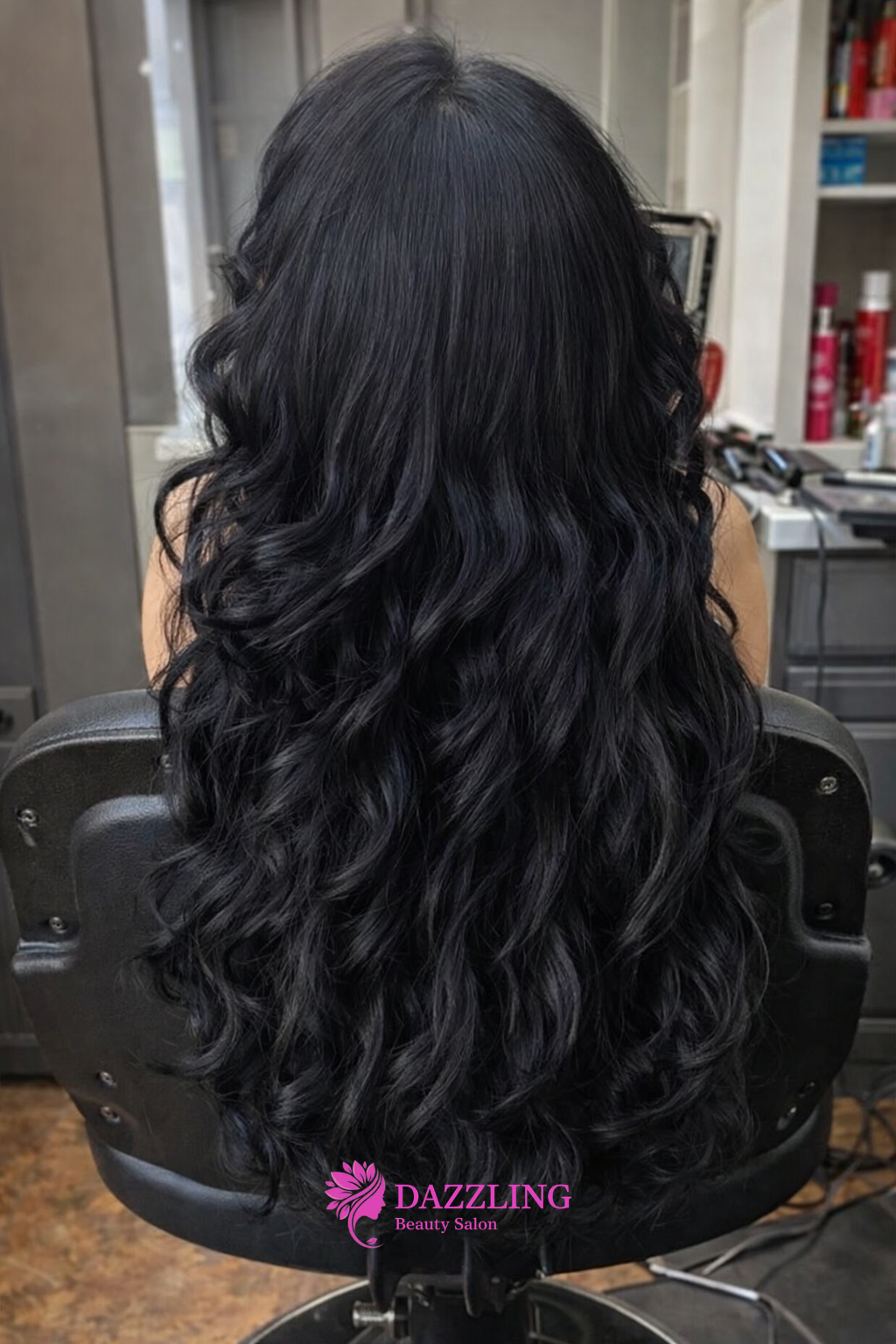
Professional Soft Waves: How to Get a Natural Finish That Looks Effortless
Soft, natural waves are a hot trend in hairstyling because they perfectly mix polished and laid-back vibes. They’re great for everyday looks, special occasions, and those Instagram-worthy moments. If you want waves that look touchable and not overdone, this guide is for you. We’ll cover techniques, products, haircut choices, and finishing steps to get that pro result.
If you’re aiming for that salon-quality finish, services like professional hair styling and a customized women’s haircut can make a big difference in how your waves form and hold. In Austin, where low-maintenance beauty is all the rage, soft waves fit right in. They’re flexible, flattering, and perfect for anyone wanting movement without stiffness.
In this article, you’ll find out what makes soft waves look natural, how to prep your hair, which products to use, and how to avoid common mistakes. You’ll also learn about hot trends like ghost waves, heatless styling methods, and salon-level finishing techniques to keep your style fresh. By the end, you’ll have a practical roadmap to create soft waves that look polished yet effortless.
Why Soft, Natural Waves Are So Popular
The rise of minimal, lived-in hair
Soft waves are a go-to because they look intentional without seeming too styled. This fits perfectly with the current trend of "ghost waves," which focus on subtle S-shaped movement rather than tight curls. This laid-back, airy vibe is part of a larger trend toward authentic, low-maintenance hair.
According to Who What Wear, ghost waves are gaining traction because they work with all hair types, from straight to coily. That’s why the style keeps spreading. It can be personalized for different hair lengths, thicknesses, and face shapes while still looking fresh.
Why the style works for everyday life
Unlike super-structured curls or blowouts, soft waves are easier to manage throughout the day. They move naturally, handle humidity well when styled right, and grow out gracefully. This makes them ideal for busy days, work settings, weddings, or just hanging out. Plus, they photograph beautifully, which is why you see them in so many editorial shoots and event styles.
If you’re after a look that’s polished but not forced, pair these waves with a salon shampoo service or a shine-boosting treatment before styling. A proper salon shampoo routine can remove buildup and provide a fresh base, while treatments like Botox capilar can enhance smoothness and reduce frizz. Getting the foundation right often matters more than the tool you use to create the wave.
Start with the right haircut and Hair Condition
How shape affects wave formation
The best waves usually start with the right cut. Hair that is too blunt or overly layered can either resist movement or become unpredictable, while a well-thought-out cut allows the wave pattern to fall naturally. According to Garnier’s natural wave tips, different textures respond differently to length and structure, which is why personalized shaping matters. Fine hair often benefits from a shoulder-length bob, while coarse or frizzy hair may need more length to control volume and maintain softness.
A skilled stylist looks at density, face shape, and how your hair behaves when wet and dry. Often, a styling-focused appointment combined with a custom cut gives more reliable results than trying to force waves with hot tools alone. The aim is to create a cut that encourages the hair to bend naturally.
Why does healthy hair hold waves better
Healthy hair responds better to styling, particularly when you’re aiming for bend and movement instead of stiffness. Dry, overprocessed, or heavily layered ends often separate too much, making waves look frizzy rather than soft. If your hair has color damage or chemical stress, consider a repair strategy before regular styling. A smooth, balanced surface helps the wave clump together elegantly.
If your hair needs a reset, services like color correction or a moisture-supporting treatment can help restore the hair’s condition, making styling easier. The more uniformly your hair behaves, the more likely your waves will fall into a graceful pattern rather than an uneven one. This is especially crucial for those who frequently heat-style or color their hair.
Prep the Hair for Long-Lasting Soft Waves
Clean, lightweight product layering
Product choice is key to whether your waves look soft or heavy. Lightweight, hydrating formulas are usually best because they add control without flattening the style. Revlon Professional explains that heavy oils and butters can weigh down waves, while lotions, foams, and gel-creams designed for wavy or curly textures preserve bounce better. This advice matches what many stylists see every day.
For a practical prep routine, start with clean hair, add a heat protectant if needed, and then apply a small amount of mousse or wave cream from mid-length to ends. If you want more natural movement, keep the root area lighter. Too much product near the scalp can make the finish look greasy or reduce the airy texture associated with soft waves.
Why moisture balance matters
Soft waves need just the right amount of moisture to stay smooth but not so much that they collapse. Overly dry hair can puff up and look frizzy, while too many conditioning products can make it lose shape entirely. The sweet spot is a hydrated but not saturated foundation, helping the waves form cleanly and stay touchable all day.
If you’re unsure about your hair’s needs, a salon consultation can help identify whether you need more hydration, protein balance, or a tweak in your current routine. For those wanting smoothness with less daily effort, a keratina treatment might be worth exploring, as it can reduce frizz and make styling easier.
The Best Techniques for Creating Soft, Natural Waves
Heat styling with a light touch
When using hot tools, less is often more. Soft waves should look slightly undone, with bends that feel fluid rather than uniform. A medium-barrel curling iron, flat iron, wave technique, or wand can all work, but styling should be loose and directional. Wrapping sections in alternating directions often creates a more natural finish than curling everything the same way.
To keep the result modern, leave the ends slightly straighter or brush the waves out once they cool. This softens the pattern and prevents the style from looking like old-fashioned curls. The goal is to create movement that looks naturally occurring, even if a tool helped shape it.
Heatless methods for a healthier texture
Heatless styling has become popular as it supports hair health while still delivering a beautiful wave pattern. One of the simplest methods is to apply mousse or texturizing spray to damp hair, then twist, braid, or scrunch it and let it air-dry. According to Cooviphair’s guidance on natural wave styling, plopping with a cotton T-shirt or microfiber towel can reduce frizz and improve definition during drying.
These heatless methods work especially well for those with some natural texture. They’re also handy for extending a blowout or when humidity is high. A bit of experimentation often reveals which method gives the most consistent wave pattern for your hair type.
Air-drying, diffusing, and plopping
Air-drying tends to create the softest, most relaxed result, especially for naturally wavy hair. Diffusing adds more volume and can help define the pattern. Plopping enhances curl clumps and prevents frizz during drying. Each method has its perks, and many stylists mix them based on the desired finish.
For example, you might plop for 10 to 20 minutes, air-dry until the hair is about 70% dry, and finish with a diffuser at the roots for volume. This combo often yields a better salon-like outcome than relying on just one method. It also helps maintain softness in the lengths while adding support where needed.
Product Recommendations for a Polished Finish
Choose lightweight support over heavy control.
The best products for soft waves usually fall into three categories: lightweight mousse, texture spray, and flexible hold styling cream. These offer enough structure to hold the wave while keeping the hair touchable. Heavy pomades and thick butters can flatten the style or make it stringy.
As Revlon Professional points out, lightweight lotions and foams are great for wavy textures because they support definition without losing movement. If your hair tends to frizz, a lightweight anti-humidity spray is a good final step. If it tends to go limp, a volume-focused mousse at the roots can add lift without making the ends crunchy.
How to layer products the right way
When layering products, use just enough to create control. Start with leave-in conditioner if your hair feels dry, then apply mousse or wave cream, and save finishing sprays for after the waves form. This prevents buildup and allows each product to perform its job well. Too many layers are often why waves lose their softness.
If your hair has recently been colored or refreshed with a color touch-up, keep products lightweight to protect shine and movement. Heavier products can dull color-treated hair and make the wave appear less vibrant. A clean, reflective surface helps the style look more polished and professionally maintained.
How to Make Waves Last Longer Throughout the Day
Set the wave before touching it.
To extend the life of soft waves, let your hair cool fully before brushing, separating, or finger-combing. Heat shapes the hair temporarily, but the style needs time to set. If you mess with it too soon, the wave may collapse or lose definition. Being patient here pays off in better hold and softer movement.
After cooling, use your fingers or a wide-tooth comb to gently break up the pattern. Avoid excessive brushing, which can flatten the texture and create frizz. A light mist of flexible-hold hairspray can secure the look without making it stiff.
Protect the style from humidity and friction.
Humidity can be a real challenge for soft waves, especially in warm climates. Hair absorbs moisture from the air, causing the cuticle to swell and the wave pattern to loosen. To protect the style, use anti-humidity finishing products and try not to touch your hair throughout the day. Even small habits, like tucking hair behind your ears, can mess with the shape.
For a broader understanding of climate-related hair issues, the National Weather Service provides helpful info about humidity and atmospheric moisture. While it's not a styling guide, it explains why hair behaves differently in humid conditions. Knowing this can help you adjust your products and routine more effectively.
Refresh waves without starting over.
If your waves flatten by midday, you don’t always need to restyle from scratch. A little texturizing spray, a light scrunch, or a quick pass with a diffuser on cool or low heat can revive the shape. You can also twist a few front sections around your fingers to redefine the pattern. These small tweaks often bring the style back to life with minimal effort.
For those wanting consistently polished hair, combining wave styling with periodic conditioning or smoothing services can improve day-to-day wear. A service like Botox Capilar can help control frizz and support a smoother finish, making waves easier to refresh and maintain between appointments. This is especially handy if you style your hair often for work or events.
Common Mistakes That Make Waves Look Stiff or Frizzy
Using too much heat or too many sections
One of the quickest ways to lose softness is to make the wave pattern too uniform. If each section is curled tightly and in the same direction, it can look more like structured curls than natural waves. Too much heat can also create a stiff surface and make the hair look dry. Soft waves need variation, not perfection.
Another common mistake is taking sections that are too small. Smaller sections create more intense definition, which may be useful for some hair types, but often reduces the relaxed finish many desire. Larger sections usually create a more believable, lived-in wave.
Choosing products that are too heavy
Heavy creams and oils can overwhelm the style before it even has a chance to settle. This is especially true for fine hair, which may collapse under just a bit of weight. Even medium-thick hair can lose movement if there’s too much product. A more restrained routine almost always results in softer waves.
If you’re unsure what to avoid, Revlon Professional reminds us that lightweight formulas are generally better for preserving wave shape. In practice, this means testing one product at a time and watching how your hair behaves after drying. Small changes often make the biggest difference.
Salon Perspective: Why Professional Finishing Matters
Expert shaping and sectioning make a difference.
Professional stylists know how to read hair texture, density, and movement before picking up a tool. This lets them choose the right section size, direction, and product combo for a more flattering finish. They also adapt techniques for clients with thick, fine, color-treated, or highly porous hair. These details often determine whether the waves look expensive or accidental.
That’s why services like hair styling can be so valuable for events, photoshoots, or important occasions. A salon finish is about creating an overall shape that complements the client’s face, outfit, and desired level of polish. When all these elements work together, the result feels effortless even though it's carefully planned.
How salons adapt to the ghost wave trend
Ghost waves have taken off because they’re subtle, modern, and adaptable. Celebrity hairstylist Tom Smith put a spotlight on this style, showing that a quiet wave pattern can be just as stylish as more dramatic textures. Salons that get this trend can offer looks that are both fashion-forward and wearable. The style is especially appealing for clients wanting softness without losing sophistication.
In Austin, salons that specialize in natural texture are in a great position to meet this demand. Clients often want looks that feel current but still fit their lifestyle, and ghost waves do just that. Offering wave-focused services can be a smart way for salons to attract clients moving toward easier maintenance and more authentic beauty.
FAQs About Soft, Natural Waves
How can I enhance my natural waves without heat?
The easiest heatless method is to apply a lightweight mousse or texturizing spray to damp hair, then scrunch gently and let it air-dry. You can also braid, twist, or plop the hair to encourage a wave pattern. The key is to avoid overhandling while the hair dries. For many people, this method creates the most believable soft-wave finish.
What products should I avoid?
Avoid products that are too rich for your texture, especially heavy oils, thick butters, and dense creams. These can flatten the hair and make it look greasy, especially if your hair is fine or naturally loose in pattern. Instead, choose lightweight products that support movement. If your hair needs more control, add hold gradually rather than layering too much at once.
How do I know if my haircut is helping or hurting my waves?
If your waves clump nicely, hold shape after drying, and fall naturally around the face, your cut is probably supporting the style. If they puff up, separate unevenly, or collapse at the ends, the shape may need refinement. A consultation with a stylist can help determine whether subtle layering, length adjustments, or face-framing pieces would improve the result.
Conclusion: Build the Foundation for Better Waves
Soft, natural waves look their best when the haircut, products, drying method, and finishing steps all work together. The style is popular because it feels modern, wearable, and easy to personalize, whether you prefer a subtle ghost wave or a more defined lived-in bend. With the right approach, you can create a professional finish that looks polished without sacrificing movement or softness.
If you want help achieving this look, consider booking a consultation with Dazzling Beauty and Barbershop. From customized women’s haircuts to polished styling and smoothing support, the right salon services can make styling simpler and results more consistent. You can also explore our related guide on professional long hair styling for more maintenance ideas and finishing inspiration.
Ready to elevate your wave routine? Visit Dazzling Beauty and Barbershop or call (512) 762-8555 to book your next appointment. With the right technique and expert support, soft waves can become your signature look.