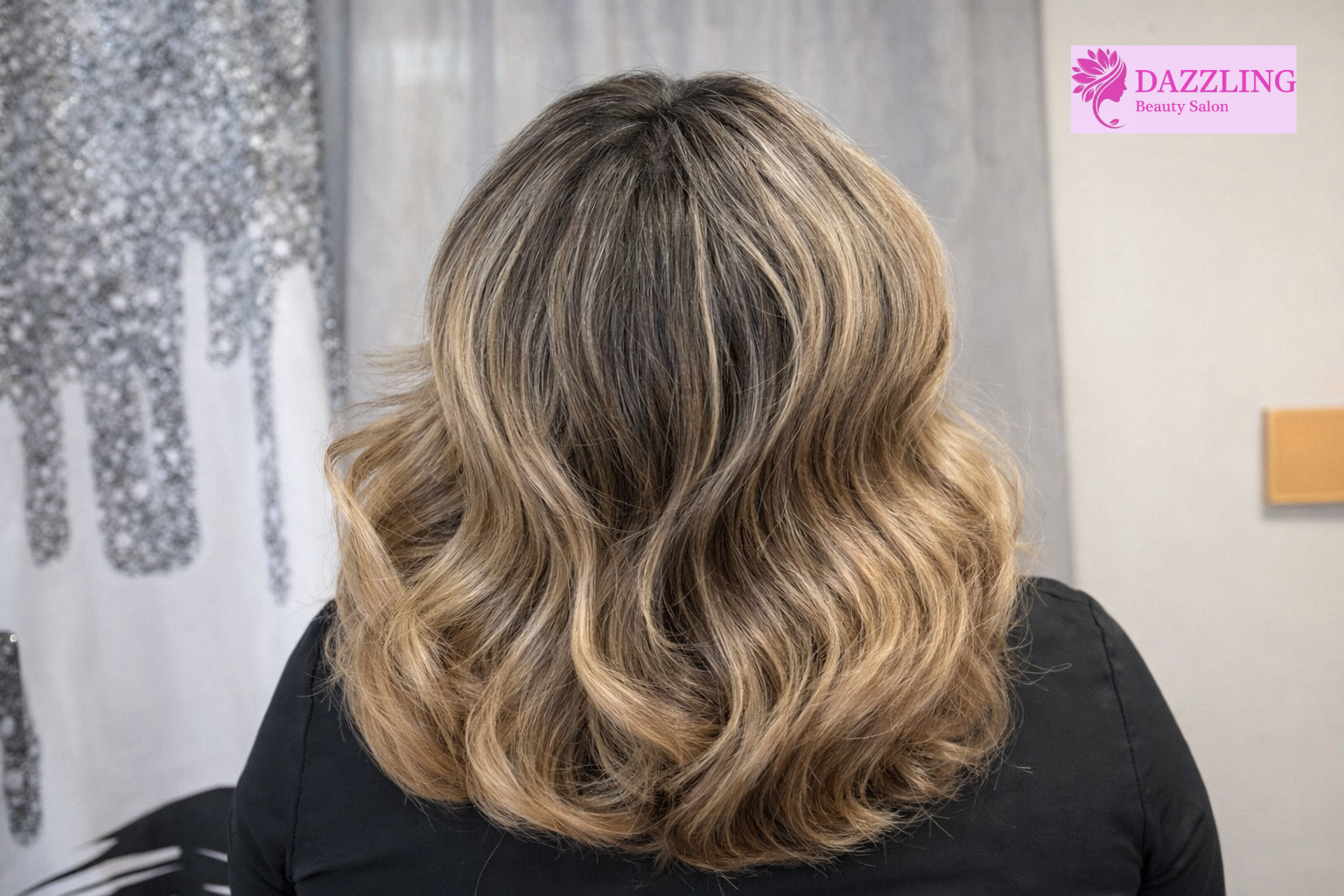
Soft Waves and Balayage: The Perfect Combination for Effortless Style
Soft waves teamed up with balayage have really made a mark in 2026. This style looks relaxed yet refined and is easy to maintain, offering a dynamic look. In this article, you'll discover why this combo is so popular, how stylists create it, and how you can keep your color and texture looking fresh. We'll delve into the trend, salon techniques, step-by-step styling, maintenance routines, product recommendations, troubleshooting tips, and real-world examples to help you decide if this versatile style is your next go-to.
Before we get started, know that soft waves and balayage work for any hair texture, length, or lifestyle. Whether you're into lived-in warmth, dimensional depth, or a carefree vibe, this blend delivers. For inspiration and to explore service options, many clients kick things off with a personalized consultation with our hair styling team to see how waves and color can suit their face shape and routine.
As you read on, you'll find expert tips for achieving long-lasting shine, minimizing damage, and styling quick looks perfect for busy mornings. We'll also share trusted industry resources for those who want to dive into the science behind the best practices.
Why Soft Waves and Balayage Work Together
Visual Harmony: Movement Meets Dimension
Balayage and soft waves are a match made in hair heaven because they tackle color and movement at the same time. Balayage adds lighter pieces strategically, creating a natural depth and sun-kissed look. Soft waves then bring those painted pieces to life, adding light, shadow, and enhancing volume and texture.
This mix works so well because balayage doesn't create harsh lines, and soft waves avoid a flat look. The outcome? A style that’s both effortlessly chic and polished. Plus, this look is practical: it’s lower-maintenance than full highlights and structured blowouts, making it a great choice for those looking for style without constant salon trips.
Low-Maintenance Appeal
Another big reason this combo is all the rage in 2026? It fits effortlessly into everyday life. Balayage blends with your natural root color, so you don’t need frequent touch-ups. Soft waves are forgiving as your hair grows, so slight brassiness or growth won’t ruin the look.
Since both styles work with a range of textures and growth patterns, many describe the result as a “lived-in” look. It aligns with today's preference for looks that support active lifestyles and less salon dependency. If you ever need a quick refresh, a color touch-up or toning glaze can bring your look back to life without a full overhaul.
Versatility Across Hair Types
Balayage isn't a one-size-fits-all technique; it's tailored for straight, wavy, curly, and coily hair. Soft waves adapt to different textures through varied methods: a large-barrel iron for loose waves on straight hair, diffuse drying and scrunching for wavy textures, and controlled twists for curlier hair looking for a softer pattern.
Together, they let stylists customize color placement and wave shape to enhance natural curls rather than fight them. This versatility is why salons everywhere have embraced this combo.
2026 Trend Insights: What the Industry Is Saying
Natural, Dimensional Color Takes Center Stage
In 2026, the trend is all about natural textures mixed with subtle colorwork. Publications are highlighting balayage as a way to achieve sun-kissed dimension without harsh regrowth lines. This shift emphasizes enhancing your natural look over dramatic transformations.
As people look for longevity and authenticity in their beauty routines, soft waves with lived-in balayage meet both needs: beauty that looks natural yet intentional and color that ages gracefully.
If you're curious about hair coloring history and practices, check out the Wikipedia entry on hair coloring for more context (see: Hair coloring).
Expert Recommendations From Colorists
Top colorists suggest balayage placements that mimic natural highlights and shadow areas. Instead of saturating the whole hair length in one tone, savvy stylists create micro-variations that add depth. These variations particularly stand out when soft waves catch light differently across strands.
For maintaining your color, professionals often recommend in-salon glossing and at-home hydrating masks to keep your color glowing and your hair strong. These strategies help maintain the integrity of lightened hair while keeping that balayage glow between appointments.
For tips on caring for color-treated hair from a dermatological perspective, check out the American Academy of Dermatology's recommendations (AAD: Hair coloring and care).
Consumer Insights and Preferences
People today want easy styling that fits into a busy lifestyle. Soft waves and balayage have become popular because they look intentional but can withstand weekends, travel, and humidity better than more structured styles.
Salons offering strategic consultations and at-home maintenance plans report higher client retention because customers feel informed and confident in their post-appointment care routines. This mix of styling education and follow-up services helps clients keep their shine and softness while maintaining stable color.
How Stylists Create the Look: Techniques and Tools
Balayage Application Methods
Balayage is a freehand painting technique where colorists apply lightener in sweeping motions for soft transitions. The focus is on placement over uniformity, often targeting areas the sun would naturally lighten, like the crown, face-framing layers, and ends. Mastery of balayage requires understanding hair movement and growth patterns to ensure highlights look natural as hair grows.
There are different balayage styles: warm caramel placements, ashy blonde blends, and soft honey highlights. The colorist selects the base, lift level, and blending approach based on your natural pigment, desired look, and hair condition.
When significant lift is needed, skilled stylists might suggest staged services or corrective plans to protect hair integrity and achieve gradual lightening safely. For complex corrections, salons offer specialized services like color correction to fix uneven tones or previous processing issues.
Creating Soft Waves: Heat and Heat-Free Methods
Soft waves can be created with tools like large-barrel curling irons, flat irons, wands, or heat-free overnight methods. For straight to slightly wavy hair, a 1.25" to 1.5" barrel gives relaxed bends that move naturally. Stylists often alternate curl directions and leave the ends straighter for a modern, undone finish.
For those who prefer heat-free options, techniques like braiding damp hair, using soft rollers, or twist-and-pin sets offer gentle shaping without thermal stress. Diffuse drying and salt-spray scrunching are great for naturally wavy or curly textures seeking a softer wave pattern without disrupting natural curls.
Choosing the right method helps preserve hair health. For significantly lightened hair, heat-free or moderate-heat approaches reduce cumulative damage while still delivering attractive texture.
Finishing Touches: Glosses, Toners, and Products
Finishing services often include a gloss or glaze to seal cuticle layers, add shine, and counterbalance unwanted warmth. Glosses can be clear for shine or tinted to neutralize brassiness, depending on the color result. Toners are another finishing option to refine the specific hue and ensure the blend remains cohesive under various lighting conditions.
Stylist-recommended at-home products include sulfate-free shampoos, purple shampoos for cool blondes as needed, and leave-in hydrating treatments. Lightweight oils and smoothing serums can enhance wave definition without weighing hair down, while texturizing sprays provide body and controlled separation for a lived-in finish.
Step-by-Step Styling Guide for At-Home Soft Waves
Preparation: Clean, Protected Hair
Start with freshly washed hair or day-old hair, depending on your natural oil level and texture. Clean hair offers a blank canvas for wave shaping, while slightly dirty hair sometimes holds texture better. Apply a heat-protectant spray if using heat tools, or a lightweight styling cream if you're going heat-free, to guard against breakage and maintain moisture.
Comb through gently to remove tangles and distribute product evenly. For color-treated hair, include a leave-in conditioner with UV protection to reduce color fade from sun exposure. Well-hydrated and protected hair yields smoother, shinier waves and longer-lasting results.
If prepping for an evening out, consider a quick gloss or salon glaze before your styling session to prime color and reflectivity.
Tool Technique: Curling Iron Method
Divide hair into workable sections and start curling from mid-lengths to the ends, leaving a small portion of hair uncurled at the tip for a natural effect. Alternate curl directions and vary the size of the sections slightly to avoid a uniform pattern. After curling, let the waves cool completely before gently breaking them up with fingers or a wide-tooth comb.
Finish with a flexible-hold spray to keep shape without stiffness, and a small amount of smoothing serum on the ends to tame frizz. This method is quick and produces a polished yet natural wave structure ideal for most hair types.
Remember to work on cooler heat settings for hair that has been lightened by balayage and to use a ceramic-coated tool for even heat distribution.
Heat-Free Alternative: Overnight Braids and Twists
For those avoiding heat, braid or twist slightly damp hair into several loose sections before bed. In the morning, undo the braids, separate waves gently with fingers, and apply a texturizing spray to give body and separation. This method preserves moisture and minimizes long-term heat stress on color-treated hair.
Heat-free techniques often deliver softer, less-defined waves that read as more natural and lived-in. They're perfect for weekends or extended travel when protecting hair health matters most.
Maintenance and Aftercare: Keep Color and Waves Looking Their Best
At-Home Routine: Shampoo, Masks, and Glossing
Maintaining luminosity after balayage requires a routine focused on hydration and gentle cleansing. Choose a sulfate-free shampoo and a nourishing conditioner designed for color-treated hair to protect pigment and cuticle health. Incorporate a deep-conditioning mask once a week to replenish proteins and lipids that keep hair soft, elastic, and less prone to breakage.
Glossing treatments, either in-salon or at-home options, can refresh tone and boost shine between color appointments. A glaze every 8-12 weeks helps neutralize brassiness and maintain the blended, sun-kissed effect that makes balayage so flattering.
For clinically informed tips on minimizing chemical damage and maintaining scalp health, check out peer-reviewed resources such as NCBI's articles on hair cosmetics and care (NCBI review on hair cosmetics).
Salon Touch-Ups: Timing and Options
Balayage is intentionally lower-maintenance than full highlights, but strategic in-salon refreshes help keep the look fresh. Many stylists recommend a touch-up or glaze every 10-12 weeks, depending on the original lift level and your personal preference for brightness. A mid-cycle color touch-up can refresh roots and tone without a full re-lightening session.
For clients with mismatched tones or damage from prior processes, professional corrective plans offered as color correction services help restore balance and create a healthier foundation for future balayage work. Ongoing collaboration with your stylist ensures that color changes happen safely and predictably.
Planning maintenance around seasonal exposure and events will keep the style looking fresh. Plan ahead for summer travel and sun exposure when color may fade faster.
Protecting Waves and Preventing Damage
Use a heat protectant whenever you apply thermal styling, and favor lower temperature settings when possible. For nightly care, sleeping on a silk or satin pillowcase reduces friction that causes breakage and frizz. Consider loose protective styles, such as a low bun or a loose braid, to preserve the wave pattern while you sleep without compressing hair at the crown.
If your hair feels dry or porous after repeated styling, restorative in-salon treatments like Botox capilar or keratin smoothing can replenish moisture, reduce frizz, and improve manageability. These treatments pair well with color services when timed and applied correctly by a trained professional.
Salon Service Options and What to Expect
Consultation: Assessing Goals and Hair Health
Every successful balayage-and-waves transformation starts with a thorough consultation. Stylists assess natural pigment, prior chemical history, current hair health, lifestyle, and maintenance preferences. This helps them propose lift levels, placement strategies, and realistic timelines for achieving the desired shade while protecting hair integrity.
If clients express concerns about damage or previous overprocessing, the stylist may recommend a phased plan that includes strengthening treatments and gradual lightening. Honest consultations set expectations and result in outcomes that meet both aesthetic goals and hair health priorities.
For those aiming to change color significantly, ask your stylist about staged approaches that minimize risk while reaching long-term goals.
Service Combinations: Styling, Color, and Care
Combining services at the salon can create cohesive results: a professional shampoo and conditioning treatment prepares the hair for balayage, followed by color placement and a finishing gloss. Styling services ensure your waves and cut complement the color placement and overall look. Add-on treatments such as root blends or glosses can enhance longevity between visits.
Salon packages that include post-color smoothing or mask treatments deliver a polished finish and minimize immediate post-process porosity. These add-ons are especially useful for clients with fine, dry, or chemically processed hair.
Ask your stylist about bundled service options to save time and ensure each step is performed with coordinated products and techniques.
Pricing Considerations and Time Commitment
Balayage complexity, hair length, and required lift determine pricing and appointment length. On average, balayage sessions take longer than single-process color jobs because the stylist paints selectively and often processes sections independently. Expect a full balayage consultation and application to take several hours, especially when paired with a cut and blowout to create the finished soft wave look.
Investing in quality color services and regular maintenance reduces the need for corrective work later. Many clients find the time and cost yield a high return in a look that is both flattering and less demanding overall compared to frequent all-over color jobs.
Case Studies and Real-World Examples
Celebrity Inspiration: The Cloud and Lived-In Looks
Celebrities and top stylists have helped popularize airy cuts and lived-in color effects. Modern variations of the "cloud" haircut, featuring light, fluffy layers and airy volume, often combine soft waves with subtle balayage for a romantic, weightless silhouette. These trends provide relatable example photos clients can bring to consultations.
Real-world celebrity examples show how professional techniques can be adapted for daily life. While celebrity hair may receive constant maintenance, the underlying color and texture principles translate well to clients seeking lower-maintenance options.
For a look at how stylists interpret modern layered cuts and celebrity trends, lifestyle publications and salon roundups offer visual case studies and expert commentary.
Salon Success Story: Austin Client Transformation
A typical salon transformation starts with a client seeking more dimension and less frequent upkeep. After a consultation focused on skin tone, natural pigment, and routine, a stylist performed a staged balayage with face-framing pieces and soft layering. The result: immediate visible depth and a shape that came alive with a large-barrel blowout and soft waves.
Follow-up care included a tailored at-home regimen and a scheduled color touch-up at the 12-week mark to refresh tone while limiting salon time. The client reported higher satisfaction and easier daily styling, confirming the durability and versatility of this approach in an active urban lifestyle like Austin's.
Documented success stories like this help new clients understand realistic timelines and outcomes for similar goals.
Common Pitfalls and How Professionals Fix Them
Common issues include uneven lift, brassy tones, and hair that feels dry after lightening. Experienced stylists address these problems with targeted corrective services, such as toning glosses, bond-building treatments, and revised placement strategies to achieve a more flattering gradient. Corrective work may require staged visits to protect hair health while achieving the desired look.
When planning a color change, be prepared for honest guidance from your stylist about what is possible in one session and when a conservative, phased approach is the healthier route. Professional recovery plans focus on strength, elasticity, and the long-term appearance of the hair.
Frequently Asked Questions (FAQ)
How long does balayage last, and when should I schedule a touch-up?
Balayage is known for its low-maintenance return, and many clients schedule touch-ups every 10-12 weeks. The exact interval depends on how much brightness you want to preserve and how quickly your natural pigment shows through. For many, a mid-cycle gloss or toning service keeps the color vibrant between full sessions.
If you notice significant brassiness or a change in tone due to sun exposure, schedule a salon glaze sooner rather than later to preserve the intended shade and minimize cumulative processing.
Can balayage be applied to all hair types?
Yes. Balayage can be modified for curly, coily, wavy, and straight hair. Stylists adapt placement to work with natural patterns so that highlights look organic and enhance movement. The key is an experienced colorist who understands how differing textures reflect light and how to place painted pieces for the most flattering outcome.
If you have a highly textured or chemically-treated hair baseline, discuss protective strategies and phased lightening to preserve integrity while achieving the color you want.
How do I maintain the health of color-treated hair?
Maintaining hair health after color involves a combination of professional and at-home care. In-salon glosses, bond-building treatments, and deep-conditioning services provide immediate repair and shine. At home, use gentle, color-safe shampoos, regular masks, and minimal-high-temperature styling to extend the life of both color and texture.
For clinical perspectives on hair product selection and minimizing chemical damage, consult medical and research resources such as the National Center for Biotechnology Information for peer-reviewed literature (NCBI review).
Conclusion: Is This Look Right for You?
Soft waves combined with balayage provide a timeless, versatile aesthetic that meets modern demands for low-maintenance beauty and natural-looking dimension. The pairing suits a wide range of hair textures and lifestyles and can be customized to your preferences for brightness, warmth, and texture. With proper preparation, in-salon expertise, and an at-home care plan, this combination yields durable, flattering results that continue to trend in 2026 and beyond.
If you're ready to explore how soft waves and balayage can enhance your look, schedule a consultation with our stylists who will assess your hair health, lifestyle needs, and color goals. We offer a range of complementary services, from targeted color correction to restorative treatments like Botox capilar and smoothing keratin to ensure your hair is healthy and camera-ready.
Book an appointment with Dazzling Beauty And Barbershop to get personalized guidance and a tailored plan for soft waves and balayage that works for you. Call (512) 762-8555 or email info@theaustinhairsalon.com to reserve your consultation today. We look forward to helping you achieve effortless style with lasting shine.
Call to action: Ready for a refreshed, low-maintenance look? Schedule your custom balayage and styling appointment now with our expert team and discover how soft waves can amplify your natural beauty.