Why Balayage Continues to Be a Top Hair Color Choice
Balayage has been at the forefront of hair color trends for quite some time, and it's easy to see why. It's soft, customizable, low-maintenance, and looks great on many different hair types and skin tones. For folks who want a lived-in look that grows out beautifully, balayage often strikes the perfect balance between polished and effortless. At Dazzling Beauty Salon, we have clients who keep coming back for this technique because it offers flexibility without sacrificing style.
Let's dive into what balayage is all about, why it's still a hit, how it stacks up against other color methods, and what to expect before and after your appointment. We'll also share tips on keeping it looking fresh, styling ideas, and practical advice to help you make the most of your color. If you're thinking about shaking things up with a new look, balayage might just be the versatile option you need, especially when paired with services like hair styling or a refreshing salon shampoo before your appointment.
Hair color trends can be fleeting, but balayage has proven it’s here to stay. Its enduring popularity comes down to both beauty and practicality, which is why it keeps appearing in salons, on social media, and in everyday life. The technique allows stylists to create personalized results, and that custom approach is a major reason clients keep requesting it. For added context on hair-care habits and scalp health, check out the American Academy of Dermatology for guidance on maintaining healthy hair while coloring it.
What Exactly Is Balayage?
A Hand-Painted Highlighting Technique
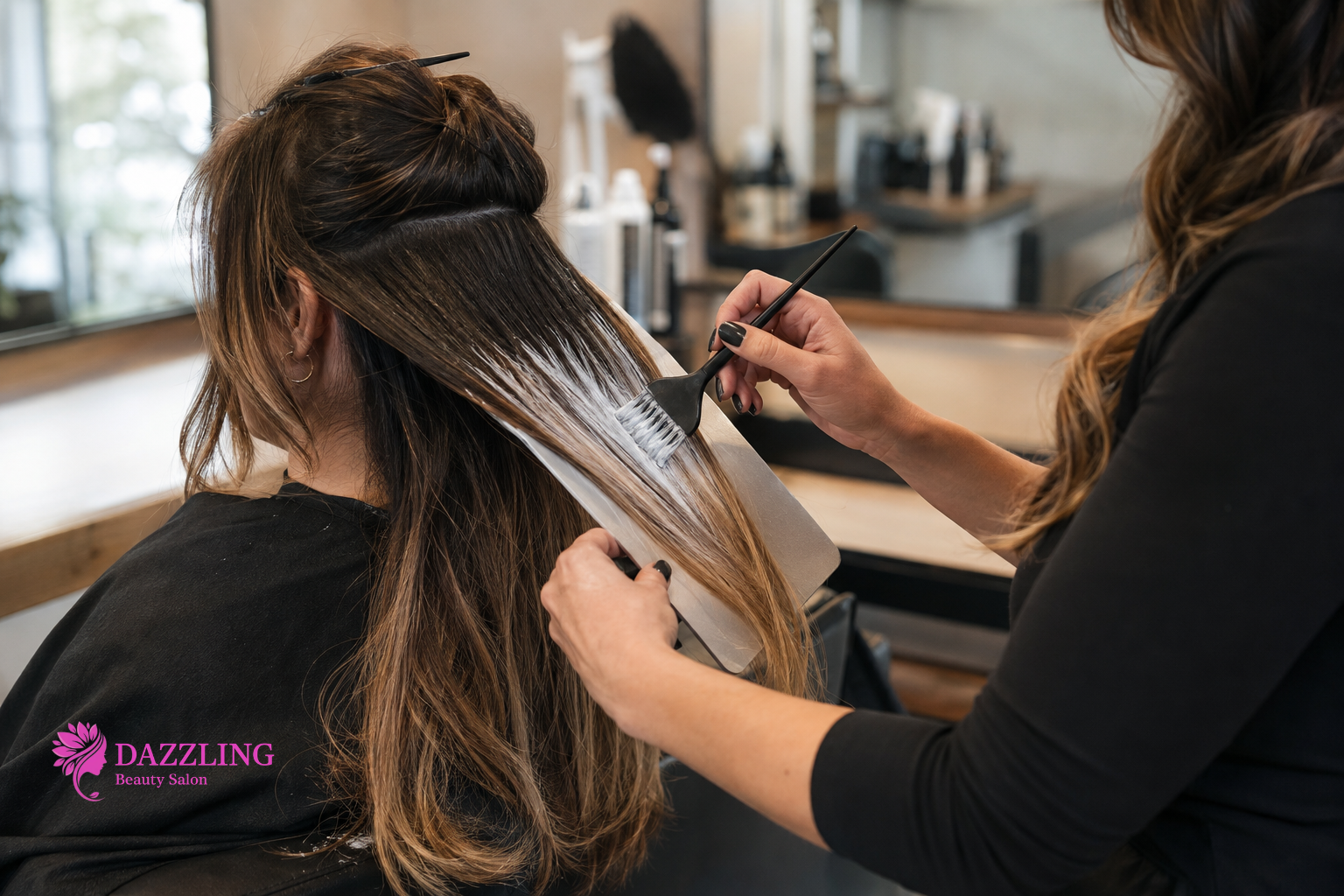
Balayage is a hair coloring method where lightener or color is painted onto the hair by hand, instead of being applied uniformly with foils from root to tip. This approach creates a softer, more natural gradient that mimics how hair lightens in the sun. The result? Dimensional, blended, and flattering color without looking too obvious or striped.
Because the application is freehand, a stylist can place brightness exactly where it will be most flattering. They might focus on the front pieces around your face, soften the ends, or add brightness in select layers for movement. This technique works especially well with a good cut, like a customized women's haircut, because the shape and color enhance each other.
Why It Looks Natural
One reason balayage is so popular is that it grows out without a harsh line, unlike many traditional color services. Since the color is applied in a more diffused pattern, root regrowth blends seamlessly into the rest of the style. This makes it ideal for folks who want beauty and convenience rolled into one.
This natural finish is part of what makes balayage appealing to busy professionals, parents, students, and anyone who doesn't want frequent salon visits. Many clients also love that it can be customized to look subtle or dramatic, depending on their goals. A darker base with caramel ribbons can feel soft and elegant, while brighter placement can create a more noticeable transformation.
Why Balayage Keeps Trending
It Fits Many Lifestyles
Balayage works because it adapts to different routines. If you're after a color service that doesn't need constant root touch-ups, this technique is a great fit. It lets you look put together for weeks or even months without the hassle of frequent color upkeep.
For many people, convenience is just as important as appearance. Balayage offers a polished result that can fit into a busy schedule, which is one reason it often outperforms more rigid color methods. Clients often pair it with a strategic color touch-up between full services when they want to refresh specific areas without starting from scratch.
It's Highly Customizable
No two balayage appointments need to look exactly alike. Stylists can tweak the placement, brightness, tone, and saturation to fit the client's hair goals. That flexibility keeps balayage relevant across seasons, ages, and personal styles, which is a big part of why the trend has lasted so long.
For example, someone who wants a warm, low-contrast look might go for golden beige tones. Another client might prefer ashier ribbons for a cooler, modern effect. A professional consultation makes all the difference here, and if needed, services like color correction can help guide your hair back to balance before applying balayage.
It Photographs Beautifully
Balayage is extremely popular in the age of social media because it captures light well in photos and videos. The soft dimension, blended transitions, and glossy finish create a visual effect that looks polished and refined. That makes it a favorite for weddings, engagements, content creation, and everyday confidence alike.
Many clients also pair their new color with makeup or polished eyelash extensions for special events. The complete look feels cohesive, and balayage often becomes the foundation that ties everything together. When a hairstyle photographs well in multiple lighting conditions, it's easy to see why so many people keep choosing it.
Balayage vs. Traditional Highlights
Application Differences
Traditional highlights are usually wrapped in foils and applied more evenly from the root area. This creates a brighter and often more structured result. Balayage, on the other hand, is painted on strategically, usually resulting in softer lightness at the roots and more diffused through the lengths.
Both methods have their place, but balayage is often preferred by clients who want dimension without looking overly processed. This distinction affects how the color grows out, how often maintenance is needed, and how natural the final result appears. If you're looking for a blended look rather than a blocky one, balayage is often the winner.
Upkeep Differences
Because balayage doesn't usually start with a harsh root line, maintenance is often easier than with traditional highlights. Many clients can space their appointments further apart and still keep their hair looking fresh. This is especially helpful for people who prefer flexibility over a strict salon schedule.
If you're exploring broader hair-care routines, the National Center for Biotechnology Information offers research-based info on hair fiber structure and damage prevention, which can be useful when considering how chemical services affect your overall hair health.
Final Effect Differences
Highlights can create a more obvious contrast, while balayage often results in a sun-kissed transition. This makes balayage especially popular for those who want dimension without obvious maintenance lines. The result is often softer at the root, brighter through the mids, and luminous at the ends.
For some clients, that softer effect feels more modern and wearable. For others, it simply feels easier to maintain in day-to-day life. Either way, the technique adapts well to different needs, which is why it remains a salon favorite.
Who Balayage Works Best For
Different Hair Lengths and Textures
Balayage can work on short, medium, or long hair, though the placement may vary based on length. On longer hair, the painted pieces can show off movement and dimension beautifully. On shorter hair, balayage can create brightness around the face and give the style more depth.
Texture also matters. Straight hair can show clean ribbons of light, while wavy or curly hair can reveal even more dimension because the color moves with the pattern of the hair. If your goal is to support your cut and texture together, a complementary hair dye plan or customized hair styling session can help bring the whole look into focus.
Clients Who Want Subtle Dimension
People who don't want a dramatic blonde makeover often love balayage because it can be extremely subtle. A stylist can use it to add depth, brightness, and warmth without making the color feel too bold. That makes it a smart choice for first-time color clients or anyone nervous about a major change.
Balayage is also a good match for professionals who want a polished appearance without a high-contrast grow-out. It can look refined in an office setting, fresh on weekends, and elegant for special occasions. That versatility makes it one of the most reliable services in modern salon color.
Clients Who Want a Softer Grow-Out
One of the strongest selling points of balayage is the grow-out process. Instead of a hard line that demands frequent retouching, the color often fades and transitions more naturally over time. This creates a lived-in look that still feels intentional.
Clients who travel often, work long hours, or simply prefer fewer appointments tend to appreciate this benefit. When paired with services like gray hair touch-up at the right interval, balayage can help maintain a fresh appearance without requiring a complete color overhaul every visit.
How to Prepare for a Balayage Appointment
Start with a Consultation
A successful balayage service begins with a thoughtful consultation. Your stylist should ask about your hair history, your current routine, your goals, and any previous color or chemical treatments. This conversation helps prevent surprises and creates a plan that fits your hair safely and realistically.
Bring inspiration photos if you can, but be open to professional feedback. A look that appears light and bright on one person may need adjustment to suit your natural depth, skin tone, or hair condition. The best balayage results usually come from collaboration rather than copying an image exactly.
Arrive with Hair in Good Condition
Healthy hair gives better color results, so it helps to take care of dryness or breakage before your appointment. If your hair has felt fragile or frizzy, a stylist may recommend a conditioning plan or a smoothing service before major lightening. In some cases, treatments like Botox capilar or keratina may be suggested to improve manageability and shine.
It also helps to avoid heavy product buildup before your visit unless your stylist instructs otherwise. Clean but not freshly stripped hair usually gives the colorist a better canvas to work with. A professional shampoo service can be a helpful starting point when hair needs a reset.
Be Realistic About Timing and Tone
Balayage can take time, especially if you're changing from dark color to something lighter or correcting prior color issues. The process may be completed in stages to protect the integrity of the hair. That is especially true if the hair needs careful balance or an additional toner for refinement.
The goal should not be instant transformation at the expense of hair health. A slower, more strategic approach often gives better long-term results. That is why many stylists recommend planning rather than expecting a one-step dramatic change.
How to Maintain Balayage Between Visits
Use Color-Safe Products
To keep balayage looking fresh, use shampoos and conditioners designed for color-treated hair. These products help reduce fading while supporting moisture and shine. In general, color-safe formulas are gentler and better suited to preserving the tones you paid for.
Limit overly hot water when washing, and consider how often you shampoo. Washing too frequently can shorten the life of your color, especially if your routine includes heat styling afterward. The CDC/NIOSH provides occupational guidance related to salon chemicals and safety, and that reminder of careful product use applies to at-home hair care as well.
Protect Your Hair from Heat and Sun
Heat styling and UV exposure can dull balayage faster than expected. A heat protectant is essential if you regularly blow-dry, curl, or straighten your hair. Likewise, sun exposure can affect tone, especially during the warmer months.
If you spend a lot of time outdoors, try hats, UV sprays, or protective styling when possible. Color maintenance isn't just about toners and salon visits; it's also about the small habits you repeat each week. For more guidance on season-specific care, our summer hair protection guide offers useful maintenance ideas.
Schedule Refresh Appointments Strategically
Even though balayage is low-maintenance, it's not no-maintenance. Toners, glosses, and occasional refresh services can restore brightness and keep the color looking intentional. The right schedule depends on your hair, your lifestyle, and your desired level of contrast.
Many clients benefit from alternating between full balayage services and lighter refresh visits. That approach keeps the look polished while protecting the hair from unnecessary stress. It can also help you make better use of each appointment by focusing on exactly what your hair needs most.
Balayage and Hair Health
Why Condition Matters
Any lightening service affects the hair to some degree, so condition should always be part of the conversation. Stronger, better-hydrated hair generally handles color better and looks shinier afterward. This is why stylists often encourage regular masks, trims, and salon-quality care at home.
If you're trying to keep your ends healthy while enjoying lighter color, it can help to pair balayage with regular trimming or a smoothing routine. Our guide to regular trims explains how trimming supports healthier-looking color by reducing split ends and helping hair appear fuller. Healthy hair always makes balayage look better.
Why Consultation Is So Important for Damaged Hair
Hair that has been previously colored, heat-damaged, or chemically processed may need a more careful plan. A stylist may need to use lower-volume lightener, adjust timing, or create depth rather than pushing for maximum brightness in one visit. That is not a limitation; it is a smart way to preserve the hair.
In some cases, another color service may need to happen first. For example, if the hair is uneven or has unwanted tones, a professional may recommend color correction before balayage to create a better starting point. This preserves the final result and reduces unnecessary damage.
How Balayage Can Support a Healthier-Looking Finish
Although balayage involves lightening, it often produces a visually softer result than all-over color changes. The hand-painted placement means the stylist can avoid saturating the entire head, which helps maintain dimension and can reduce the appearance of over-processing. The hair often looks more natural and dimensional because not every section is treated equally.
That selective approach is part of the appeal. Many clients want brightness, but they also want to keep movement, shine, and softness. Balayage gives stylists more control over where the change happens, and that control can lead to a more flattering result overall.
Common Balayage Questions Answered
How Long Does Balayage Last?
Balayage can last several months, depending on hair growth, tone, and how the color was placed. Because the grow-out is softer, many clients are comfortable waiting longer between appointments than they would with traditional root color. Toners and maintenance products can extend the life of the overall look.
The exact timeline varies. A client with very dark natural roots and a high-contrast blonde balayage may notice regrowth sooner than someone with a low-contrast caramel blend. Still, the technique is valued for how gracefully it ages between salon visits.
Can Balayage Cover Gray Hair?
Balayage can blend gray hair beautifully in some cases, but it is not always a complete gray-coverage solution. If the goal is to fully cover gray at the root, your stylist may combine balayage with another method or recommend a targeted service. It depends on the amount of gray, the target tone, and how seamless you want the result to look.
For many clients, a blended approach works best. That may include a root refresh, strategic highlighting, or a complementary shade to soften the appearance of regrowth. The key is setting clear expectations during the consultation, so the final result matches your goals.
Is Balayage Good for First-Time Color Clients?
Yes, balayage is often one of the best first color services for clients who want something low-pressure and natural-looking. It is a great way to experiment with brightness without fully committing to a dramatic all-over change. Because the look can be subtle, it often feels less intimidating than permanent color overhaul services.
If you are nervous about making a big shift, ask for a soft introduction with face-framing pieces or a low-contrast blend. That gives you room to adjust in the future if you want more lightness later. First-time color is often about building confidence as much as changing appearance.
Why Clients Keep Choosing Balayage at Dazzling Beauty Salon
It Feels Personal
Balayage continues to be popular because it does not feel cookie-cutter. Every application can be tailored to the client’s face shape, texture, lifestyle, and maintenance preferences. That personal approach makes people feel seen rather than placed into a one-size-fits-all service.
At Dazzling Beauty Salon, that customization matters. Whether a client wants softness, brightness, or a complete refresh, the service can be adjusted to suit the result they want most. In many cases, that includes pairing the color with a flattering finishing style so the dimension reads clearly and beautifully.
It Works for Everyday Life
One of the biggest reasons balayage remains a favorite is that it fits real life. It is attractive enough for special occasions and practical enough for everyday wear. People do not have to choose between beauty and convenience, which makes the technique highly appealing.
That balance is especially valuable for clients who want to feel polished without spending all their time on upkeep. Balayage offers a lived-in result that still looks intentional, and that combination rarely goes out of style. It is a technique that respects the client’s time as much as their aesthetic goals.
It Adapts to New Trends Without Losing Its Identity
Balayage has survived trend cycles because it can evolve. The same technique can be used to create soft beige blonde, rich brunette dimension, warm copper ribbons, or cool ash transitions. That adaptability keeps it current while preserving the natural, hand-painted charm that made it popular in the first place.
As trends shift toward natural texture, healthy shine, and wearable color, balayage stays relevant. It does not need to be reinvented completely to remain modern; it simply adapts. That is the hallmark of a truly lasting beauty trend.
Conclusion: Is Balayage Right for You?
The Short Answer
Balayage continues to be one of the most popular hair color techniques because it offers softness, flexibility, and longevity. It looks natural, grows out gracefully, and works across many hair types and personal styles. For clients who want a modern color with less upkeep, it is easy to see the appeal.
If you want a color service that can be customized to your lifestyle and taste, balayage is worth considering. It can be subtle or dramatic, warm or cool, classic or trendy. Most importantly, it can be shaped around you rather than forcing your hair into a rigid pattern.
Next Steps for a Better Color Result
Before you book, think about your goals, your maintenance comfort level, and the condition of your hair. Bring inspiration photos, ask questions, and be honest about your routine so your stylist can create the best plan. If you want a refreshed look that still feels natural, balayage may be the perfect next step.
To explore your options with a professional team, visit Dazzling Beauty Salon or schedule a consultation to talk through your ideal color plan. A thoughtful balayage service can transform your look while keeping your hair’s movement and personality intact. When done well, it is not just a color trend; it is a lasting beauty investment.
Frequently Asked Questions
How often should I get balayage touched up? Many clients return every 8 to 16 weeks depending on how much brightness they want to maintain and how quickly their hair grows.
Does balayage damage hair? Any lightening service can affect the hair, but careful application, proper aftercare, and realistic expectations help protect the hair’s condition.
Can balayage work with dark hair? Yes. Dark hair can look beautiful with balayage, especially when the tone and brightness are chosen carefully for contrast and dimension.
What should I ask my stylist? Ask about maintenance, tone, how much lift is realistic, and whether your hair history suggests a staged approach.