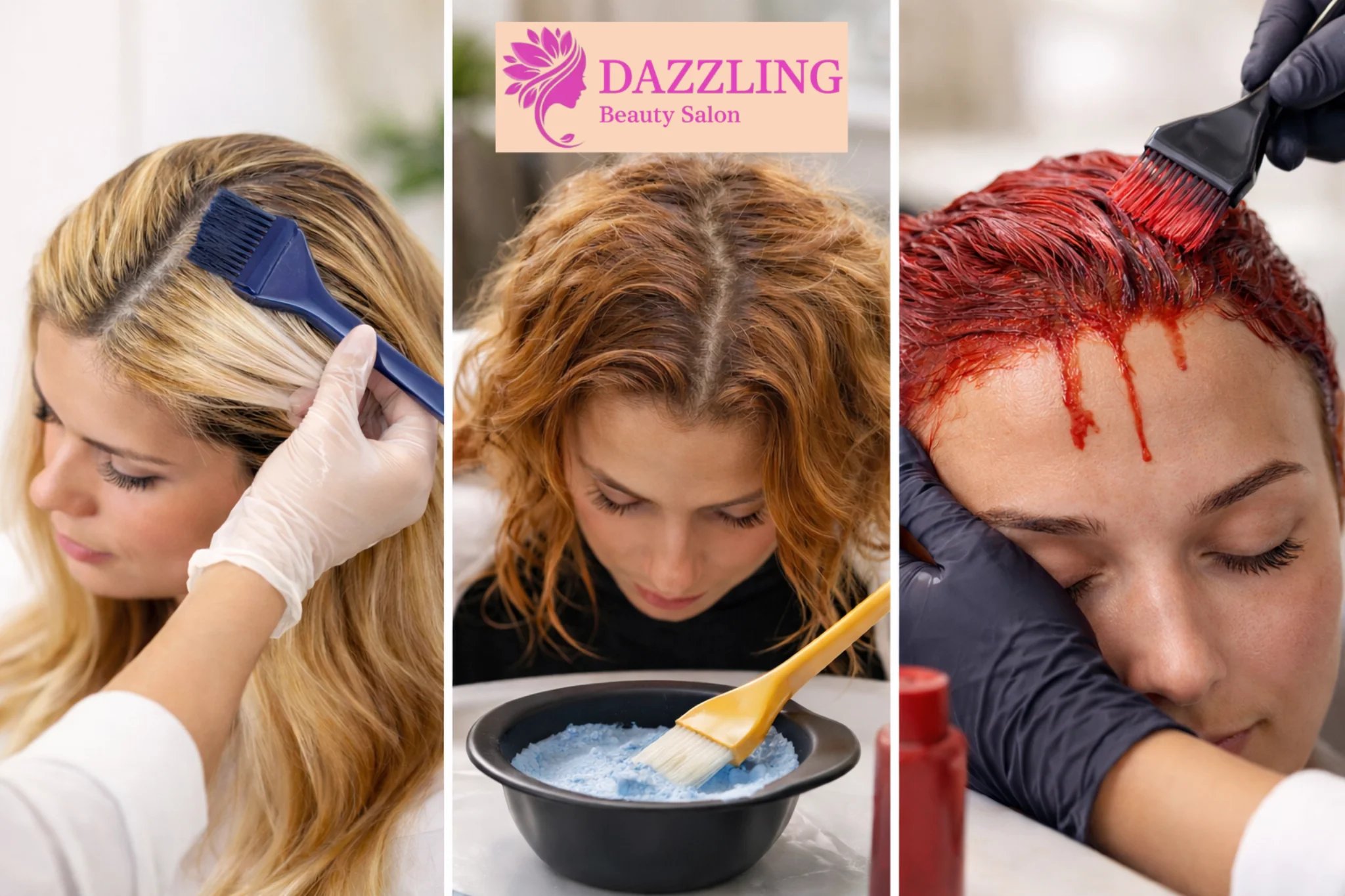
Avoiding Common Mistakes When Dyeing or Bleaching Hair: Practical, Pro Salon Advice
Changing your hair color can be exciting and empowering, but it also carries risks when steps are skipped or products are used incorrectly. This guide breaks down common mistakes people make when dyeing or bleaching hair and offers clear strategies to avoid them. Whether you color at home or are a salon pro, you'll find practical tips, expert rationale, and troubleshooting steps to help prevent damage and improve results.
For more help, check our professional hair dye services, where we guide you through product selection, application, and aftercare. For safety and health info, visit the American Academy of Dermatology's website: American Academy of Dermatology.
1. Understanding the Chemistry: How Dye and Bleach Work
How permanent dyes differ from bleach
Permanent dyes penetrate the hair shaft, using developers to open the cuticle and enable the chemical reaction. Bleaching, however, removes natural pigment using hydrogen peroxide and bleaching agents. It's key to know this difference because repair and maintenance vary depending on whether you're adding or removing pigment.
When you add dye, you're changing the hair's tone; when you bleach, you're lightening and weakening it. That makes bleaching more damaging, so it needs extra care. Salons measure lift and deposit to predict results, which can be risky to do at home without proper testing.
Developer strengths: pick the right one
Developer (peroxide) strength often confuses people. Developers come in volumes: 6% (20 volume) is versatile for many tasks, while 9% (30 volume) is for stronger lift. Using a stronger developer than needed can cause over-processing and damage, while too weak a developer may not give the desired results.
Choose a developer that suits both the dye's recommendation and your hair's condition. Always follow the product's instructions, and for complex changes, consult a professional.
Hair porosity and history: why they matter
Porosity shows how your hair absorbs and holds moisture and color. Low-porosity hair resists color, while high-porosity hair absorbs quickly but loses color fast. Your hair's history affects porosity and determines safe products and techniques.
A consultation and strand test reveal porosity and history, enabling an accurate plan. Trying to lift weak or porous hair can result in breakage or brassiness. Planning transitions over sessions and using treatments can reduce risk.
2. Preparation Mistakes and How to Fix Them
Washing hair too close to application
A common mistake is shampooing just before coloring. Natural scalp oils provide a barrier that reduces irritation. Wash your hair 1–2 days before coloring to let oils return, providing a buffer against stronger developers and bleach.
For oily hair, discuss a pre-color plan with your stylist. Applying a light protective oil on the hairline and ears can help minimize irritation.
Skipping patch and strand tests
Skipping a patch (skin allergy) test and a strand (color preview) test is a common error. A patch test should be done 48 hours before using dyes to check for allergies. A strand test shows how the product will look on your hair and necessary processing time.
A strand test reveals undertones and helps choose developer strength. Skipping these steps risks allergic reactions and miscolored results.
Neglecting a thorough consultation and hair history
Rushing into a color change without a consultation is a major mistake. Discuss previous services, styling frequency, and desired maintenance level. Understanding these helps a stylist recommend realistic goals and products that support hair health.
Pre-color consultations reduce surprises and improve results. This approach is crucial for dramatic changes.
3. Application Mistakes and Corrective Strategies
Overlapping bleach applications
Overlapping bleach on previously lightened ends is damaging. The ends are vulnerable from prior processing, and fresh bleach increases breakage risk. Apply bleach only to new growth and gently feather into lightened areas to preserve integrity.
Professionals often apply bleach to new growth first, then reassess. Using low-volume peroxide and shorter processing times helps.
Leaving bleach on too long
Leaving bleach longer than recommended leads to breakage. Overprocessing weakens the hair structure, causing limp or snapped fibers. Set a timer, monitor lift, and rinse as soon as the desired level is reached.
If lift isn't achieved, consider a follow-up appointment after conditioning instead of extending bleach exposure. Multiple, controlled lifts are safer.
Using the wrong developer or mixing errors
Choosing the wrong developer or mixing incorrectly can cause unpredictable results. Follow manufacturer instructions for mixing ratios and developer volume. Confirm compatibility when using multiple products to avoid interactions that can weaken hair.
4. Choosing the Right Products and Professional Treatments
Why professional-grade products matter
Professional-grade dyes, developers, and bond builders offer predictable outcomes and often include protective ingredients that reduce damage. Investing in quality products reduces the chance of discoloration and excessive damage. For nuanced results, professional products make a difference in both process safety and finish.
If you're doing at-home color, consider salon-grade products sold through professionals or consult a stylist for the right line and method.
Bond-building and restorative treatments
Modern haircare offers bond-building treatments that minimize damage during services. These products reconnect broken bonds or add protective layers, helping hair tolerate lifts and color deposits safely. Incorporating bond builders can significantly reduce porosity spikes and increase elasticity.
Complementary professional services to support color
Salons offer treatments that enhance longevity and health. Smoothing treatments and keratin protocols reduce breakage and frizz. If concerned about damage, ask about options like Botox Capilar or smoothing services.
5. Aftercare: Preventing Fade, Dryness, and Breakage
Immediate post-color routines
After coloring or bleaching, use a color-safe, sulfate-free shampoo and a deep conditioning mask to lock in color and restore moisture. Protect against chlorine and sun exposure, which fade color. Many recommend waiting 48–72 hours before the first wash.
Rinse with cool or lukewarm water to help seal the cuticle and preserve color. Use leave-in conditioners with heat protection to reduce damage.
Weekly and monthly maintenance
Weekly treatments should include moisturizing or protein-conditioning masks. Monthly trims remove split ends, preventing breakage. Color refreshes and toning help maintain hue.
Plan maintenance according to your lifestyle and desired look to avoid damaging at-home fixes.
Treating dryness and breakage
If color-treated hair becomes dry or brittle, prioritize restorative protocols combining moisture, protein, and regular trims. Avoid daily high-heat styling and use heat protectants. For severe breakage, a stylist may recommend treatments to rebuild strength.
Reduce washing frequency and use sulfate-free shampoos, hydrating conditioners, and weekly masks to improve resilience.
6. Troubleshooting, Case Studies, and When to Seek Professional Help
Real-world case studies and lessons
Salon experiences highlight how small mistakes lead to corrections. Planning, testing, and pacing changes protect hair and client satisfaction.
Staged color lifts and use of bond builders reduce corrective work. History matters: disclose past treatments to help stylists plan safely.
Correcting common problems: brassiness, banding, and uneven lift
Brassiness is a common post-bleach issue, caused by remaining warm pigments. Toners neutralize unwanted undertones. Banding results from inconsistent application or overlapping bleach. Repair strategies include color blends and toners.
Uneven lift indicates inconsistent developer strength or application issues. Professionals use targeted applications to harmonize results. For advanced corrections, consider our color correction services.
When to consult a medical professional
If you experience burning, intense itching, or respiratory distress during or after coloring, seek medical attention. Allergic reactions can escalate quickly. The American Academy of Dermatology offers guidance: AAD.
Chronic scalp irritation or recurring responses warrant a dermatologist consultation to adjust future plans. Document product use, timing, and symptoms for clinicians.
7. Frequently Asked Questions (Comprehensive FAQ and Quick Fixes)
Is it safe to dye or bleach hair at home?
At-home coloring can be safe for simple tasks when you follow instructions, perform tests, and use appropriate developer strengths. Major lifts are best handled by professionals. For ongoing maintenance, schedule periodic glosses or toners and use salon-grade products.
How often can I color or bleach my hair safely?
Frequency depends on hair health and service type. Permanent color touch-ups are commonly done every 4–8 weeks, while full-head bleach services require more recovery time. A gentle approach with restorative treatments maintains better results.
How do I test for allergies and preview colors?
Always perform a 48-hour patch test with dyes: apply a small amount behind the ear, monitor for reactions, and don't use the product if any appear. A strand test shows lift, tone, and processing time. Keep records for future reference.
8. Final Takeaways and Actionable Next Steps
Summary of key prevention strategies
To recap: avoid shampooing before coloring, perform patch and strand tests, choose appropriate developers, and never overlap bleach on lightened hair. Use professional-grade products, bond-building treatments, and structured aftercare to maximize color longevity and strength.
These principles apply whether coloring at home or booking a transformation. Consistent documentation and discussion with your stylist help create a realistic plan.
Next steps: when to book professional help
If your last color session didn't go as planned, it's better to consult a professional rather than attempt fixes at home. Our salon offers services like color correction and restorative treatments like Keratina. Schedule a consultation to assess history and plan a safe correction.
Contact and call-to-action
If you have questions about a recent home color attempt or want a new look, we’re here to help. Book a consultation for professional guidance: our hair styling team can assess your hair and recommend the best action. For routine maintenance, consider our color touch up service.
Ready to protect your hair while getting the color you want? Call Dazzling Beauty And Barbershop at (512) 762-8555 or email info@theaustinhairsalon.com to schedule your consultation. Our team prioritizes safe, beautiful results.
For additional reading on product safety and guidelines, visit the U.S. Food and Drug Administration: FDA – Hair Colorants, and for a hair coloring history and chemistry primer, see: Hair coloring — Wikipedia.