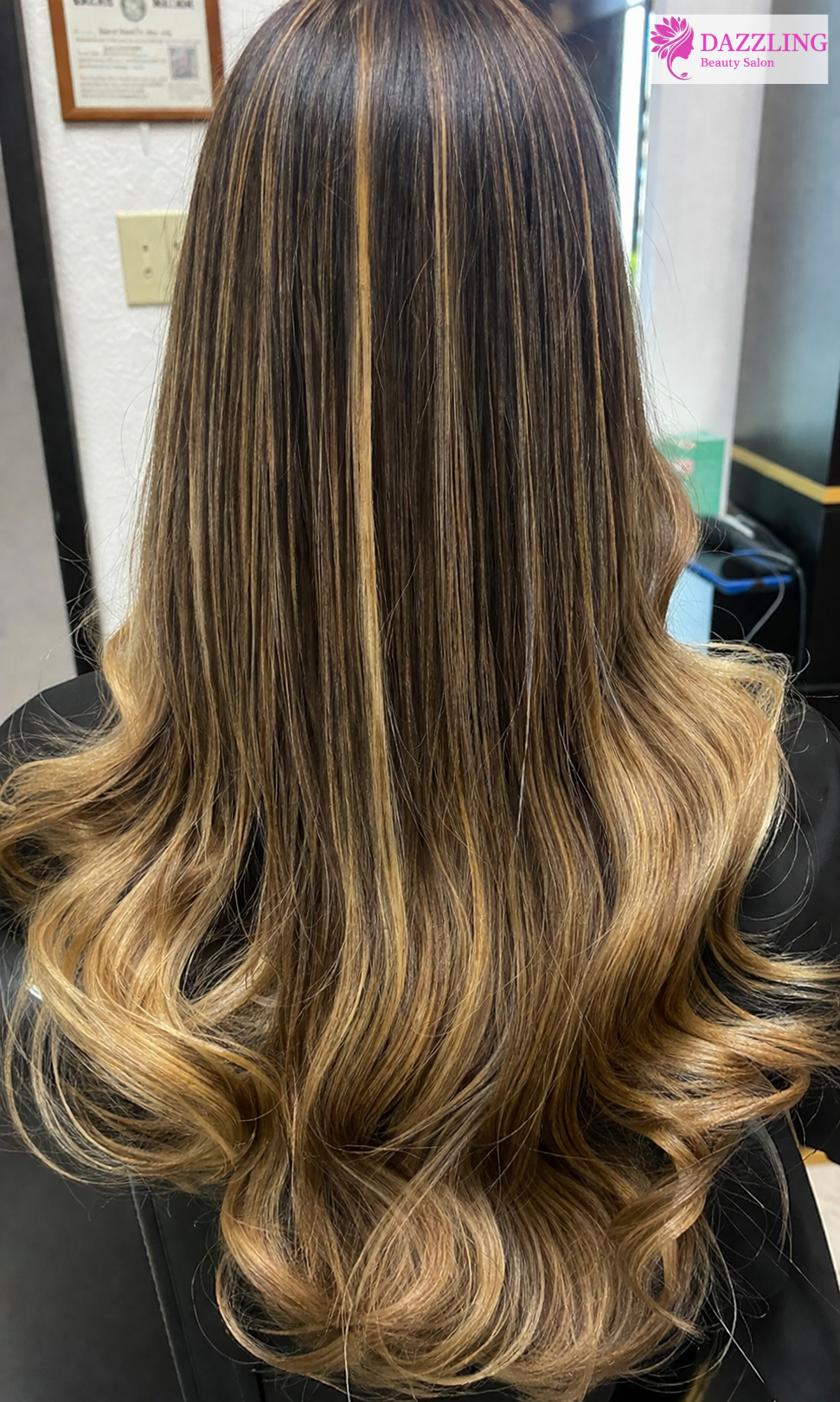
How Color Correction Restores Damaged or Uneven Hair Color
Hair color can completely change your look, but when it's too brassy, too dark, patchy, or uneven, it can be super frustrating. That's where professional color correction steps in. This salon service is all about getting your hair back to the shade you wanted while keeping it healthy. If you're looking for a safe way to fix your hair color mishaps, color correction can turn a temporary mistake into something beautiful and wearable.
At Dazzling Beauty and Barbershop, we see color correction as both a technical process and a way to keep your hair healthy. Whether your issue came from a DIY dye job, a tricky balayage, or a previous salon visit gone wrong, we aim to fix the color and keep your hair's integrity intact. If you’re curious about how we can help with uneven, brassy, or damaged hair color, check out our color correction service.
So, why is color correction such a big deal these days? Well, more people are coloring their hair at home now, and advanced techniques like balayage might look simple, but they often need a professional touch to get it right. Salons have noticed that color services are a big deal, contributing significantly to their revenue. This shows how much people value expert help when their hair color needs fixing. If you're interested in learning more about pricing and demand for these services, take a look at this Salon Magazine pricing guide.
What Color Correction Actually Means
Restoring Tone, Balance, and Dimension
Color correction means tweaking hair color that's become uneven, too warm, too dark, too light, or just doesn't look right. It might involve fixing brassiness, green tones, banding, muddy ends, or patchy colors from roots to tips. The goal is to create a shade that looks intentional, flattering, and healthy, not overprocessed or mismatched.
Unlike your regular touch-up, color correction is rarely a one-and-done deal. It often involves multiple techniques like toning, glossing, lowlighting, root blending, or careful lightening. The exact approach depends on what happened to your hair, how porous it is, and what result you want. If your issue is mainly regrowth or a faded finish, a color touch-up might do the trick, but if the tone is way off, a full correction plan is usually needed.
Why Salon Diagnosis Matters
Two people might say they have "bad color," but the reasons can be totally different. One person might have brassiness from lightening dark hair too fast, while another has banding from using box dye too much. A proper diagnosis helps the stylist choose the best method without stressing your hair further. This step is one reason professional color correction is often safer than trying to fix it yourself.
Experts always highlight the importance of a consultation before any chemical service. Your hair’s history, previous coloring, current condition, and your target shade all influence the plan. Stylists often recommend bond support during lightning to help keep your hair strong, along with setting realistic expectations about how many sessions might be needed. For more insights on this approach, check out this industry discussion on fixing color mistakes.
Common Hair Color Problems That Need Correction
Brassiness and Unwanted Warmth
Brassiness is one of the top reasons people seek color correction. It happens when warm undertones become too visible, often after lightening dark hair or when toner fades. Orange and yellow tones can make highlights look uneven or dull, especially in sunlight. A color correction service can neutralize those tones with the right toner, gloss, or balancing formula.
Brassy hair isn’t always from a mistake; sometimes it’s just the natural pigment showing through as color fades. But when it's uneven, it can make hair look patchy instead of dimensional. In those cases, a colorist might use cool-toned formulas and subtle lowlights to create a smoother look.
Color Banding and Uneven Application
Color banding happens when different parts of your hair process differently, creating visible horizontal lines or blocks of color. This is common after uneven box dye application or rushed bleaching. Fixing banding can be tricky because the stylist has to even out the color without overprocessing the lighter sections.
Correcting banding often requires a plan in steps. A stylist might first check the porosity and elasticity of each area, then create targeted formulas for each zone. This is where professional skill really matters, because correcting one area too aggressively can worsen the contrast. Sometimes, a follow-up visit is needed to refine the results.
Too-Dark, Too-Light, or Faded Results
Sometimes, the problem isn’t brassiness but a shade that’s just too dark, too light, or washed out. Overly dark color can flatten your hair and hide its dimension, while too-light hair can look hollow or fragile. Faded color often loses richness and shine, leaving hair looking tired even if it’s healthy.
In these cases, color correction might involve adding depth with lowlights, refreshing the shade with gloss, or carefully removing buildup before recoloring. The aim is not just to change the color but to make your hair look polished and intentional again. A good correction should improve how your hair looks and still match your style goals.
The Consultation Process: Where Great Corrections Begin
Reviewing Hair History and Product Use
A thorough consultation is the foundation of safe color correction. A colorist should ask about past salon visits, at-home dyes, bleaching, toners, heat styling, and any treatments that might affect your hair. This helps determine whether your hair can handle lightening, depositing color, or both. It also helps avoid surprises once the service starts.
Your hair history is especially important because repeated chemical services can affect its strength and porosity. Clients who’ve used box dye, henna, or multiple bleaching sessions might need a different strategy than someone with a single toning issue. A careful consultation lets the stylist protect your hair while working toward the color you want.
Assessing Porosity, Elasticity, and Condition
Porosity shows how quickly your hair absorbs and releases moisture and color. Highly porous hair might grab color too fast, while low-porosity hair might resist changes. Understanding porosity is crucial because it shapes how formulas are mixed and applied. If you’re curious about this concept, our article on hair porosity and product absorption is a helpful read.
Elasticity and overall condition are just as important. Hair that stretches too much or feels brittle might not be ready for major lightening. In those cases, a stylist might recommend a treatment first, then return for color correction later. This approach can deliver better results than trying to make a big change in stressed hair.
Setting Realistic Expectations
One of the most valuable parts of a consultation is setting clear expectations. Not every correction can happen in one session, and not every shade is achievable right away without risking damage. A skilled stylist will explain what can be done safely now, what might need multiple visits, and how to maintain your hair between appointments.
This honesty builds trust and helps you understand the process. Treating correction as a planned service instead of a quick fix usually leads to better-looking hair in the long term. This is especially true if you want a big change after multiple dye jobs or a tough balayage correction.
Professional Techniques Used in Color Correction
Toning and Glossing
Toning is one of the most common tools in correction work. It adjusts undertones, softens brassiness, and helps the final color look more polished. Glossing can add shine, improve tone, and smooth the overall finish without a drastic chemical change. Together, these services often refine a correction after the major color imbalance has been addressed.
Toning is especially useful when the underlying shape of the color is right, but the tone is too warm or too flat. A gloss can also help a faded color look refreshed again. For many clients, this is the step that turns a "fixed" color into a truly beautiful one.
Strategic Lowlights and Depth Building
Lowlights are often used when hair looks too light, too flat, or patchy in different sections. By adding controlled depth, the stylist can make uneven areas blend better and create dimension. This is especially helpful if highlighted hair has become overly bright or stripped-looking.
Depth building isn’t just about making hair darker; it’s about restoring visual balance. A correction with lowlights might create a softer grow-out pattern, hide banding, or add movement to an overprocessed canvas. When paired with the right finish, it can make hair look naturally dimensional again.
Bond-Repairing Additives and Careful Lightning
Whenever lightning is part of the correction process, protecting your hair is a priority. Bond-repairing additives help reduce stress during chemical services and support the hair while pigment is lifted. While they’re not magic, they are an important part of modern professional color correction.
Industry standards emphasize using these support products along with skilled techniques. This is especially important when your hair has been compromised by box dye, heat, or previous bleach. If you're curious about why salons invest in color services and protective methods, the Salon Today report on color revenue offers useful industry context.
How Long Does Color Correction Take and Why
Minor Fixes Versus Major Restorations
The time needed for color correction depends on how severe the issue is. Minor tone fixes might take one to two hours, especially if the main goal is to neutralize brassiness or refresh faded ends. More complex situations can take several hours, and difficult restorations might need multiple visits over weeks or months.
This timeline doesn’t mean the service is slow; it means the stylist is protecting your hair. Working too aggressively can cause breakage or create a new color problem on top of the original one. A step-by-step correction plan often delivers a better result than trying to do everything in one appointment.
Why Multiple Sessions Can Be the Safest Option
When hair has been heavily colored or lightened, patience is part of the treatment. Multiple sessions let the stylist gradually even out the tone while monitoring your hair’s health between visits. This is often the safest route for hair that’s been dyed at home or has severe color banding.
Multi-session color correction also gives you time to adjust to the new look. Sometimes the best final result is built through a gradual process rather than a dramatic one-day transformation. This method keeps hair stronger and more manageable.
Why Hair Health Must Guide Every Correction
Damage Control Before Dramatic Change
Healthy-looking results depend on the structure of healthy hair. If your hair is extremely dry, porous, or fragile, a stylist might recommend a treatment phase before adding more color. This protects the cuticle and lowers the chance of uneven absorption. Services like gentle salon shampoo and treatment-based prep can also support a cleaner, more predictable correction foundation.
Sometimes clients want the fastest fix, but speed isn’t always the best indicator of success. When the hair is treated with care, the final color tends to hold better, shine more, and fade more evenly. That’s why professional colorists think about hair condition first and color second.
Aftercare Matters as Much as the Appointment
Color correction doesn’t end when your appointment is over. Aftercare determines how long the tone lasts and how well your hair stays resilient. Stylists usually recommend sulfate-conscious cleansing, limited heat exposure, and regular conditioning to preserve the corrected shade.
You might also need a maintenance schedule that includes periodic glossing or root blending. If your correction includes gray blending or root management, a gray hair touch-up can be part of an ongoing plan rather than a one-time fix. Consistent maintenance keeps your hair looking fresh and reduces the need for another major correction later.
Real-World Examples and What They Teach Us
Fixing Brassy Highlights Without Losing Brightness
One common scenario involves highlights that have turned too orange or yellow after a few weeks. In a successful correction, the stylist might tone the highlights, add a soft root shadow, and use a gloss to restore brightness without harsh contrast. The result feels lighter and more cohesive, rather than icy or flat.
This shows why color correction is more than just “changing the color.” The best corrections keep the original style goal while fixing problems that developed over time. A client who wanted sun-kissed dimension should still leave with dimension, only now it looks refined and intentional.
Correcting Banding After At-Home Dye
Another frequent case involves uneven bands caused by layered box dye. The stylist might need to map the hair section by section, using different formulas to even out warmth and depth. In some situations, the correction might involve subtle foiling or hand placement rather than blanket color application.
This work rewards precision. Because hair doesn’t process uniformly after home coloring, a correction service has to be customized to the hair in front of the stylist. That level of detail is one reason salon correction usually outperforms DIY fixes.
Restoring Confidence After a Major Color Mistake
Color mishaps often affect confidence as much as appearance. A harsh tone, uneven result, or patchy finish can make clients avoid styling their hair or wearing it down. A well-planned correction helps reverse that emotional impact by restoring a flattering, polished look.
Many salons document before-and-after transformations because the change can be dramatic. For example, a Chicago salon recently highlighted a case where brassy highlights and visible banding were corrected into a smooth, wearable finish. These examples show how expert technique can rescue color that once felt beyond repair. For a similar discussion of difficult transformations, see this case study.
How to Prepare for a Color Correction Appointment
Bring Photos, History, and Honest Details
The best results come from a transparent consultation. Bring inspiration photos, and be honest about what’s already been done to your hair. If you used box dye, bleach, toner, or a color-depositing mask, tell the stylist. Those details help the colorist create a plan that’s realistic and safe.
If you’re unsure what products were used, explain the timeline of your color changes as best you can. Even partial information helps. The more your stylist knows, the better they can protect your hair and choose the right formula.
Know What to Ask Before Booking
Good questions include how many sessions might be needed, whether your hair will be lightened, what aftercare is required, and how much maintenance the result will need. You can also ask whether a hair dye service is appropriate or if a correction-first strategy is better. Clear communication prevents disappointment and helps the stylist guide you responsibly.
If your correction is part of a bigger makeover, you might want to coordinate with other services like hair styling or a soft finish that complements the new tone. The goal is to leave with hair that not only looks corrected but also feels polished and easy to wear.
Why Professional Color Correction Is Worth It
Better Results, Less Damage, More Confidence
Professional correction is worth it because it combines artistry, chemistry, and hair protection. Rather than guessing with box dye or repeated to ner applications, a stylist creates a repair plan based on your hair’s condition. This reduces the chance of further damage and improves your odds of a satisfying result.
It also saves time in the long run. While a professional correction might take longer than a quick at-home fix, it often prevents repeated mistakes and costly damage repair later. So, the service isn’t just about color; it’s about keeping the hair you wear every day healthy and beautiful.
A Service That Supports the Entire Salon Experience
Color correction often works best when paired with thoughtful finishing services. A fresh style, a precise cut, or a smoothing treatment can make the corrected color look even more refined. For clients who want a full refresh, pairing color work with a customized cut from our women's haircut service can help shape the final result beautifully.
Because the correction process is so personalized, it often reflects the same care found in expert salon work across the board. In a city like Austin, where clients value both style and practicality, a salon that treats correction as a craft can stand out by delivering healthy, wearable color instead of temporary fixes.
Frequently Asked Questions About Color Correction
Is Color Correction Safe for My Hair?
Yes, when done by a skilled professional who checks your hair’s condition first. Safety depends on your hair’s current state, the products used, and whether the stylist chooses a realistic plan. If your hair is fragile, gradual correction over multiple visits might be the safest option.
How Much Does Color Correction Cost?
Costs vary widely because the service is based on complexity, time, and the number of steps needed. Simple toning is generally less involved than major banding repair or corrective lightning. For a deeper look at how pricing is structured, see this overview of color correction costs.
Can All Color Mistakes Be Fixed in One Visit?
Not always. Some problems, like mild brassiness, may be corrected in a single appointment. More severe cases, especially those involving repeated bleach or layered box dye, might require several sessions to reach the best result safely.
How Do I Keep My Corrected Color Looking Fresh?
Use gentle products, avoid excessive heat, and follow your stylist’s maintenance plan. Regular glossing or touch-ups might be needed depending on your shade and how fast your hair fades. If you want a coordinated beauty update, services like makeup can help complete the polished look for events or photos.
Final Thoughts: Color Correction Is a Reset, Not a Shortcut
Color correction restores damaged or uneven hair color by addressing the root of the problem instead of hiding it. Whether the issue is brassiness, banding, unwanted darkness, faded tone, or over-lightening, the right correction plan can bring balance back to the hair while protecting its health. The most successful results come from honest consultation, expert technique, and realistic expectations.
If your hair needs repair, don't settle for another guesswork solution. A strategic correction can restore shine, dimension, and confidence in a way that lasts. To speak with a salon team about a personalized plan, explore our color correction service, and see how professional care can help you love your hair again. For clients ready to move from frustration to a fresh, healthy finish, Dazzling Beauty and Barbershop is here to help.