Healthy hair starts at the roots, not at the ends or the mid-lengths. The scalp is where hair follicles, oil glands, and circulation come together to help your hair grow and shine. When your scalp is balanced, your hair tends to look fuller, feel stronger, and style more easily. But if your scalp is neglected, you might notice shedding, dullness, breakage, or even a tight, itchy feeling that makes hair care a hassle.
That’s why scalp care is a big deal in today’s hair wellness scene. More folks are interested in scalp spas, scalp serums, and personalized treatment plans because they get that healthy hair depends a lot on the scalp. If you’re already treating yourself to regular salon shampoo care or planning a new look with professional hair styling, it makes sense to start with your scalp. Let’s dive into how scalp health affects hair growth and appearance, the signs to watch out for, and the salon and at-home habits that can make a real difference.
Why Your Scalp is Key to Hair Growth
Follicles Need a Happy Home
Hair grows from follicles in the scalp, and each follicle needs a clean, nourished, and low-irritation environment to thrive. If there’s buildup, too much oil, dryness, or inflammation, follicles can’t do their job well. This can make your hair look weaker or less vibrant.
Think of your scalp like a garden’s soil. If the soil is compacted or depleted, plants might grow, but not as strongly or consistently. Your scalp affects how well your follicles can support hair growth cycles. That’s why regular cleansing, gentle exfoliation, and professional evaluation are becoming common in hair care routines.
Blood Flow and Follicle Stimulation
Good scalp circulation delivers oxygen and nutrients to your follicles. That’s why scalp massage is popular in wellness routines. It’s relaxing and can help stimulate your follicles by boosting blood flow and easing tension. Massage alone won’t cure hair loss, but it’s a nice addition to a broader hair care plan.
If you want your hair goals to match your health goals, consider gentle cleansing treatments and restorative salon rituals. A clean scalp is more open to massages, serums, and targeted treatments because products can reach the skin directly instead of sitting on buildup.
Signs Your Scalp Might Be Impacting Your Hair
Watch for These Early Warnings
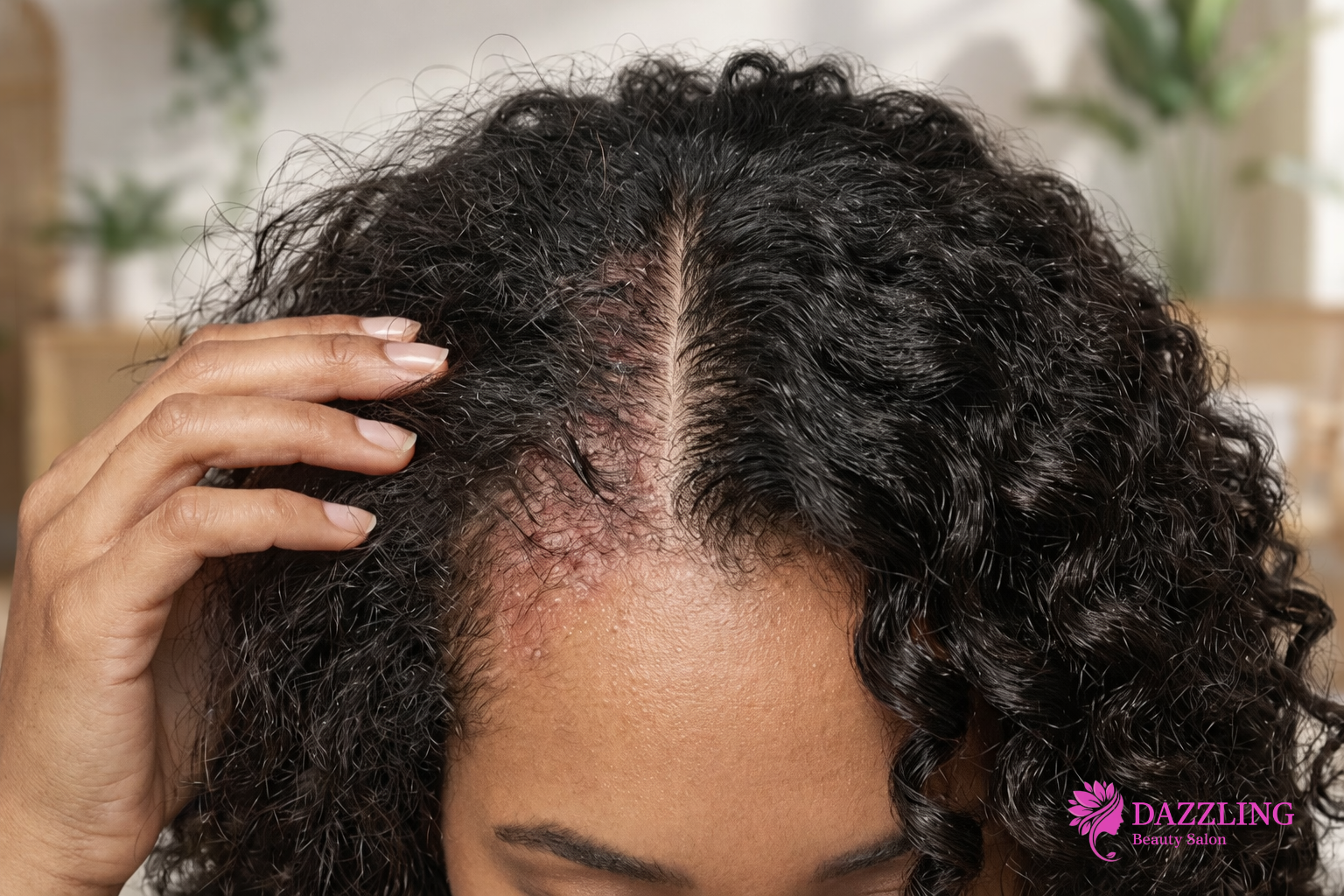
Scalp problems often start subtly. You might see flakes on your clothes, a greasy root area soon after washing, or a tight feeling after you cleanse. Other signs include itching, redness, tenderness, or hair that loses volume quickly. These symptoms don’t always mean a big issue, but they do suggest your scalp routine needs attention.
Sometimes the first clue is a change in how your hair behaves. If styles fall flat, curls lose their bounce, or color fades fast, your scalp might be the culprit. For those with ongoing color services, scalp comfort is even more important. Treatments like color touch-up or salon hair color look better and last longer with a balanced, irritation-free scalp.
The Role of Buildup and Inflammation
Product buildup, sweat, hard water residue, and excess sebum can throw off your scalp’s balance. Meanwhile, inflammation can mess with your follicles’ normal cycle. Both can lead to shedding, less dense-looking hair, or weaker strands when you brush or style.
According to MedlinePlus, the scalp is a skin environment that can be affected by irritation, infection, and barrier dysfunction. Understanding these signs early helps you take action before they become bigger issues.
Current Trends in Scalp Care
Scalp Spa and Personalized Treatments on the Rise
There’s a clear shift towards scalp-focused services in the beauty industry. Searches for “scalp spa” and “scalp serum” are booming, showing that people want more tailored solutions instead of one-size-fits-all hair care. This isn’t just marketing hype. It shows a growing understanding that hair appearance starts with scalp health, and different scalps need different care.
As a result, more salons are offering consultations before recommending treatments. Clients might get a scalp assessment, a cleansing ritual, exfoliation, or a product recommendation suited to oiliness, dryness, or sensitivity. If you’re into holistic care, our wellness-focused hair treatments guide explains how salons blend beauty and self-care in practical ways.
Why It’s Getting Attention Now
The haircare market is huge, valued at about $91 billion globally, and scalp treatments and specialized products are a big part of that growth. People now want more than temporary shine; they want routines that improve their hair’s underlying condition. This demand has pushed the industry towards scalp exfoliators, barrier-supporting formulas, and diagnostic tools for better problem identification.
For those keeping up with beauty trends, check out Vogue’s haircare trends. The main takeaway? Scalp health is no longer niche. It’s central to how salons and consumers think about hair growth, manageability, and appearance.
Building a Healthy Scalp Routine
Start with the Right Cleansing
The first step in scalp care is getting rid of oil and buildup without stripping the skin. Overwashing can lead to dryness, while underwashing can trap residue around the follicles. The right balance depends on your hair type, lifestyle, and styling habits. Most benefit from a consistent shampoo routine that focuses on the scalp, not just the lengths.
Professional cleansing can make a big difference because salon shampoos are designed to lift residue while keeping comfort. If you use dry shampoo, heavy styling products, or sweat frequently, deeper cleanses might be needed more often. This is crucial before treatments like hair extensions, as a healthy scalp enhances comfort and protects the natural hair underneath.
Exfoliate Wisely
Scalp exfoliation removes dead skin cells and stubborn product buildup, letting follicles breathe and treatments absorb better. But exfoliation should be gentle. Scrubs that are too harsh can irritate the scalp, and exfoliating too often might worsen sensitivity. A balanced approach is usually best, especially for color-treated or chemically processed hair.
A good rule is to exfoliate only as needed and follow up with nourishing, calming products. Ingredients like ceramides, hyaluronic acid, and peptides support the scalp barrier and hydration levels. Not sure what your scalp needs? A salon consultation is a smart start before adding new products at home.
Don’t Forget Hydration and Protection
A dry scalp can get itchy, flaky, and uncomfortable, while an over-stripped scalp might produce more oil to compensate. Hydration is key, but so is using the right type. Lightweight scalp serums often work better than heavy oils for those prone to buildup, while those with dryness might need richer moisture. The goal is to restore balance, not overload the skin.
Protecting the scalp from sun exposure also helps, especially in warm climates or during long outdoor days. While hair itself offers some coverage, thinning areas and part lines can be vulnerable. This is why stylists recommend scalp-conscious routines alongside services like women’s haircuts or men’s haircut services. The right cut can improve both styling and scalp visibility.
Expert Insights from Trichology and Salon Practice
The Importance of Individualized Assessments
Trichologists and scalp specialists stress that scalp concerns need to be evaluated individually. Two clients might have the same symptom, like flaking, but the causes can differ. One might have dryness, another product buildup, and another inflammation or sensitivity. That’s why careful assessment is more helpful than guessing.
Expert-led scalp reviews can identify what’s happening at the follicle level and suggest next steps. In modern salon settings, this may include visual diagnostics, lifestyle questions, and product reviews. Some advanced centers use non-invasive technology, including FDA-cleared laser-based approaches for hair support. A good example of this is the personalized care model described by Elysian Head Spa, reflecting the demand for individualized scalp and hair restoration strategies.
What Salons Can Learn from This Approach
For beauty pros, scalp care isn’t just an extra service. It’s a chance to provide deeper value and position the salon as a true wellness spot. Clients appreciate recommendations that connect scalp condition to styling results, color longevity, and long-term hair confidence. This kind of education builds trust and often leads to better results for both the client and the salon.
Salons offering scalp massages, exfoliation, nourishing rinse treatments, and tailored maintenance plans can stand out. If a client plans a color refresh or a texture service like keratin smoothing, scalp comfort should be part of the consultation. Healthy skin makes every other service work better.
How Scalp Health Impacts Hair Every Day
Shine, Volume, and Manageability
A balanced scalp often leads to hair that’s shinier and more manageable. When oil is distributed well, and follicles aren’t clogged, strands reflect light more evenly and hold movement better. That’s why people often find their hair feels lighter and cleaner after an effective scalp treatment.
Volume is also tied to the scalp. If roots are weighed down by buildup or oil, hair can look flat even when the lengths are healthy. This is especially noticeable in fine hair, where small changes in buildup can have a big visual effect. A thoughtful scalp routine can help restore lift and make styling products work more efficiently.
Texture and Frizz Connection
The scalp condition influences how the hair fiber behaves as it grows. If the scalp is chronically dry or inflamed, the hair might emerge with a more irregular texture or look duller over time. While scalp care won’t change your natural hair type, it can improve how that texture presents visually. Better scalp support often means better softness, smoother shine, and fewer styling challenges.
This is especially relevant for clients who struggle with frizz or want smoother results after a salon service. Treatments like Botox capilar can support the hair fiber, but the best results usually come when the scalp is also in good condition. Hair care works best when scalp health and strand care go hand in hand.
Choosing Products and Ingredients for Scalp Care
What to Look for in Scalp-Friendly Formulas
Choosing the right ingredients makes scalp care much easier. Products with peptides, ceramides, hyaluronic acid, and gentle botanical extracts are often recommended because they support hydration, barrier function, and comfort. These ingredients are especially helpful for clients who want a healthy scalp without harsh scrubbing or heavy residue.
Scalp serums are gaining popularity because they can be applied directly to the skin without overloading the hair. For people dealing with dryness, a serum can offer more targeted relief than a standard conditioner. For those with buildup or excess oil, a lightweight, balancing formula is often the better choice. The key is to choose products based on the actual scalp condition, not just hair texture.
Keeping Your Routine Simple
More products don’t automatically mean better results. In fact, using too many treatments at once can make it harder to identify what helps and what irritates. A simpler routine often works better: cleanse regularly, exfoliate gently, hydrate as needed, and watch for changes over time. If problems persist, seek a professional assessment instead of piling more products onto an already stressed scalp.
A salon consultation can be especially useful here. A stylist can help you pair scalp care with your regular maintenance schedule, whether you’re booking a haircut, a style update, or a refresh for gray coverage with graya, a hair touch-up. The goal is to keep your scalp healthy so every service looks better and lasts longer.
Real-World Example: A Personalized Scalp Care Story
What a Salon-Based Plan Can Look Like
Picture a client coming in with flat roots, an itchy scalp after washing, and harder-to-style hair. A quick fix might be to load up on volume products. A smarter approach starts with scalp evaluation. The stylist might notice buildup, mild irritation, and dryness signs at the crown, then recommend a cleansing schedule, gentle exfoliation, and a hydrating serum.
After a few weeks, the client might find their scalp feels less tight, their hair lifts more easily at the root, and their styles hold better throughout the day. This progress is common because the scalp is treated as the foundation, not an afterthought. For clients with complex goals, the plan can be paired with a haircut strategy that supports the overall look and reduces daily styling stress.
The Importance of Consistency Over Quick Fixes
One appointment can make a noticeable improvement, but lasting results depend on consistency. The scalp responds best to routines that are gentle, repeatable, and matched to individual needs. That means paying attention to how often you wash, what products you use, and how your scalp reacts to seasonal changes, stress, and styling habits.
Clients often expect instant transformation from a single product, but scalp health is more like fitness than makeup. Benefits build over time. When the scalp is supported consistently, hair typically looks better from the roots outward, which is exactly what many people want when they invest in professional beauty care.
Frequently Asked Questions About Scalp Health
How Often Should I Massage My Scalp?
Most people benefit from regular scalp massages a few times a week, and some enjoy a quick daily massage during washing or product application. The pressure should be gentle and relaxing, not aggressive. The goal is to boost circulation and ease tension, not irritate the scalp.
Are Scalp Exfoliators Safe for Everyone?
Scalp exfoliators can help, but they’re not ideal for everyone or every condition. People with sensitive skin, active irritation, or certain scalp disorders might need to avoid them or use them only under professional guidance. If you’re unsure, start slowly and consult a stylist or medical professional before adding exfoliation to your routine.
Can Scalp Health Affect Color Retention?
Yes, indirectly. An irritated or overly dry scalp can make hair harder to manage, and buildup around the roots can affect how evenly color appears. Healthy scalp care supports cleaner application, better shine, and improved overall appearance. If you’re planning a new shade, a service like color correction might be paired with a scalp-friendly prep routine for the best result.
Conclusion: A Healthy Scalp Means Healthier Hair
Scalp health plays a big role in hair growth, density, shine, and everyday manageability. When the scalp is clean, balanced, and nourished, follicles function better, and the hair above them usually looks better. That’s why scalp care is becoming such an important part of modern beauty routines and salon services.
If you want stronger-looking, more vibrant hair, start by paying attention to the skin beneath it. Look for signs of buildup, dryness, or inflammation, and build a routine that includes proper cleansing, gentle exfoliation, and targeted hydration. For personalized support, consider combining your home routine with professional care from a salon that understands both style and scalp wellness.
At Dazzling Beauty and Barbershop, we believe great hair starts with a healthy foundation. Explore our services, ask about scalp-conscious treatments, and let our team help you create a routine that supports both beauty and confidence. When you’re ready, book your next appointment and give your scalp the attention it deserves.