How Often Should You Trim Your Hair to Keep It Healthy?
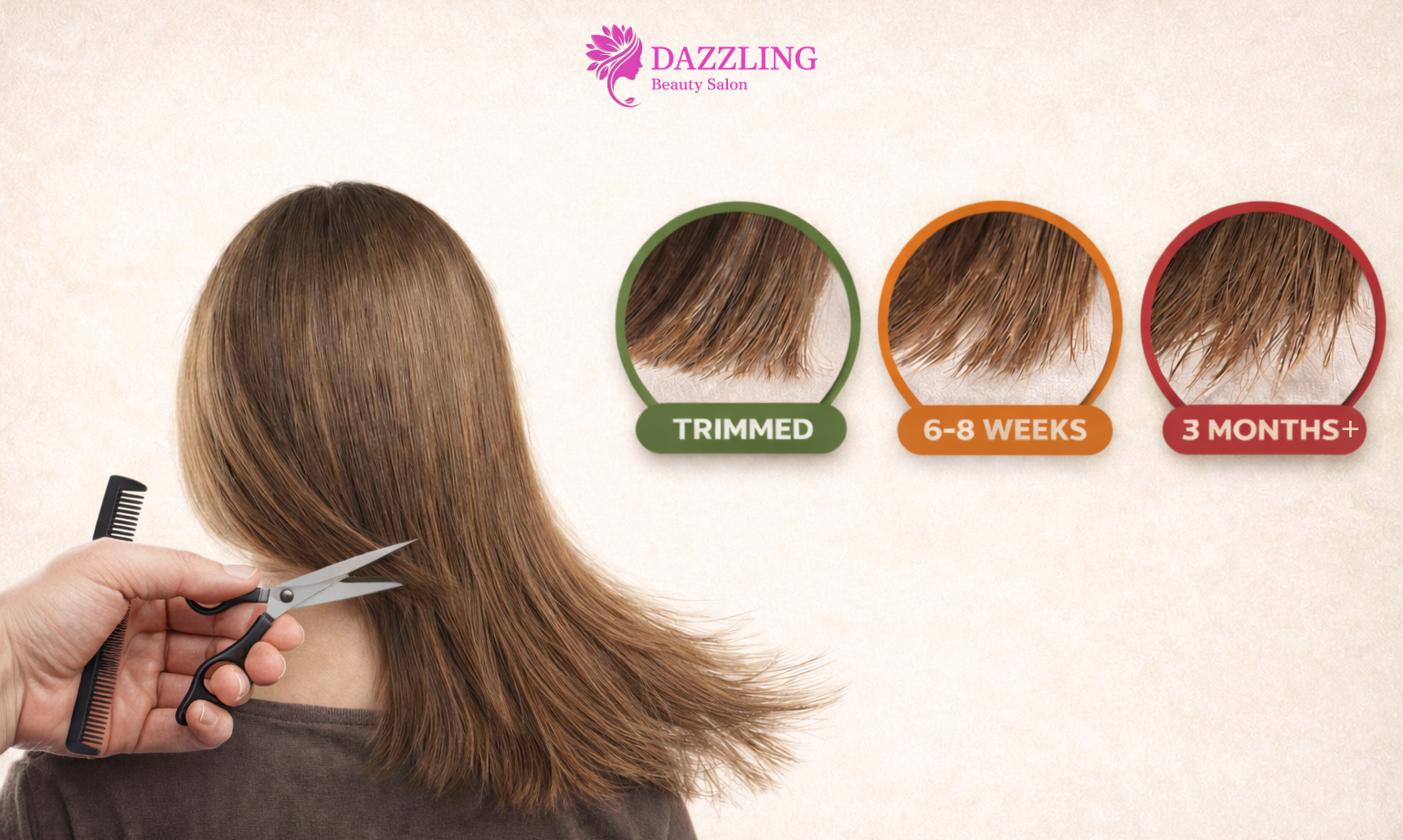
Ever wonder if your hair really needs those regular trims? The short answer is yes! Trimming is a straightforward way to keep your hair looking fresh, reduce breakage, and stop split ends from creeping up the strand. While it doesn't make your hair grow faster, it does help you keep your length by reducing damage and keeping your ends in better shape. If you're looking for a personalized approach, getting a professional women’s haircut or a men’s haircut is a great place to start. The right shape and trim schedule depend on your hair type, style goals, and daily routine.
Things like climate, styling habits, and chemical processing also affect hair health. In humid places like Austin, frizz and dryness can make your hair look worn out faster. That's why many stylists recommend staying on top of trims rather than waiting for obvious damage. The American Academy of Dermatology mentions that your hair care habits, heat use, and chemical treatments all impact your hair's condition, so maintenance is just as important as products. If your hair feels dull or hard to manage, a salon visit for a gentle shampoo or a smoothing keratina treatment might help your ends look healthier between trims.
Why Regular Hair Trims Matter
Split End Prevention and Breakage Control
Split ends are a big reason why stylists suggest regular trims. Once your hair starts to fray, the split can travel upward and lead to more breakage, making your hair look thinner and less polished. Regular trimming helps remove these weak spots before they spread, giving your hair a better chance to stay strong. According to the American Academy of Dermatology, gentle care and reduced damage are essential for keeping your hair looking healthy over time.
A Fresh Shape Makes Styling Easier
Even if your hair is growing, an uneven or overgrown cut can complicate styling. Ends might flip awkwardly, layers might lose balance, and short styles can start looking bulky or shapeless. Trims help restore your haircut's outline, which is crucial if you rely on a clean bob, fade, or layered style. A polished look often appears healthier because the silhouette is intentional, and that's where services like hair styling can help reinforce that fresh salon finish.
Healthy Ends Help You Retain Length
Many folks think skipping trims is the quickest way to long hair, but it's usually the opposite. Leaving split ends and breakage alone can cause your hair to snap faster than it grows, making it hard to keep your length. Regular maintenance removes the most damaged sections so the rest of your hair can stay intact. If your goal is to keep your length while improving health, a light maintenance plan and occasional Botox capilar can help smooth the surface and make ends feel more manageable.
How Often Should You Trim Different Hair Types?
Short Hair: Every 4 to 6 Weeks
Short hair usually needs the most frequent upkeep because the shape changes quickly as it grows. Pixie cuts, bobs, and fades can lose definition in just a few weeks, especially around the neckline and ears. Trimming every 4 to 6 weeks helps your style stay crisp, balanced, and intentional. If you like short, sharp shapes, the right precision haircut or custom women’s cut can make maintenance easier between appointments.
Medium-Length Hair: Every 6 to 8 Weeks
Medium-length hair generally benefits from trims every 6 to 8 weeks. This schedule allows some growth while preventing ends from becoming too dry or uneven. It's a great middle ground for people who style their hair regularly but don't want to hit the salon too often. If you're also refreshing your tone or covering regrowth, pairing your trim with a color touch-up can keep your look cohesive and healthy.
Long Hair: Every 8 to 12 Weeks
Long hair typically doesn't need as much structural maintenance as short styles, but it still requires regular attention. Most stylists recommend trimming every 8 to 12 weeks to prevent tangling, feathering, and breakage at the ends. This frequency is especially helpful if you're trying to preserve length while keeping the hair manageable. A long-hair routine might also include occasional hair extensions for extra volume or length, but trims remain important even when extensions are part of the look.
Curly and Textured Hair: Every 8 to 12 Weeks
Curly and textured hair often looks healthier and longer than straight hair because the natural pattern can hide small splits. However, curls also tend to be drier and more fragile, making regular trimming important for shape and moisture retention. Many textured hair clients do well with trims every 8 to 12 weeks, though the exact timing depends on curl pattern, styling habits, and how often heat is used. If humidity causes extra frizz, a smoothing service like keratina can make the trimming schedule easier to handle.
What Factors Change Your Ideal Trim Schedule?
Hair Texture and Thickness
Fine hair often shows split ends faster because individual strands are more delicate. That means folks with fine hair might need trims closer to every 4 to 6 weeks, especially if they color or heat-style often. Thick hair can sometimes go longer between appointments because the density helps protect the ends, but thick hair still needs maintenance to avoid bulk and tangles. Good Housekeeping explains that trim frequency should be adjusted based on texture and damage level, not just on hair length alone. You can read more in their overview at Good Housekeeping.
Chemical Treatments and Coloring
Hair that's been colored, bleached, or chemically processed usually needs more attention. Processing can make the hair shaft more porous, leading to dryness and breakage if you skip trims for too long. For many people with highlighted, lightened, or frequently dyed hair, a trim every 6 weeks is a smart baseline. If your color has grown uneven or brassy, a professional color correction or hair dye appointment can restore the look while keeping your ends healthier.
Heat Styling Habits
Frequent blow-drying, curling, and straightening can weaken the cuticle over time. Heat damage doesn't always show up right away, but once the ends become brittle, they're much more likely to split. That's why folks who use hot tools often might need to trim more frequently than those who air-dry and protect their hair. If you want more polished looks with less daily stress, try alternating heat with salon-created styles and read our related guide on keeping hair straight, shiny, and frizz-free after the salon.
Growth Goals and Lifestyle
Your trim schedule should support your goals. If you want maximum length, longer intervals like 10 to 12 weeks can work as long as the ends stay healthy. If you're more focused on shape, volume, or bounce, more frequent trims might be the way to go. The key is to match the schedule to your lifestyle, instead of following a rigid rule that doesn't consider your daily hair habits. For styling inspiration that works well with regular maintenance, see our guide on professional long hair styling.
How to Tell Your Hair Needs a Trim
Visible Split Ends and Rough Texture
One of the clearest signs it's time for a trim is visible split ends. You might notice frayed tips, a rough feel when you run your fingers through the ends, or strands that look wispy even after styling. If the ends no longer reflect light evenly, they might also look dull or faded. These signals are often easier to spot in natural light, and they're your hair’s way of asking for maintenance before the damage spreads.
More Tangles and Less Manageability
When your hair starts to knot easily, especially near the bottom, the ends are often the first area needing attention. Damaged ends catch on each other, making brushing more difficult and increasing the risk of breakage. If detangling has become a part of your daily struggle, a trim can reduce friction and make your routine faster. This is particularly helpful for long or textured hair, where tangles can build up quickly if the ends are neglected.
Your Style No Longer Holds Its Shape
If your haircut looks different every time you style it, or if one side seems to fall flatter than the other, the shape may have grown out. This can happen with layered cuts, fades, bangs, and blunt lines. Regular trims help preserve the structure your stylist created, which is why many people schedule appointments based on shape rather than waiting for obvious damage. A fresh cut can also make professional styling easier for special events, photos, or everyday polish.
What Happens If You Skip Trims for Too Long?
Damage Can Travel Up the Hair Shaft
Leaving split ends alone can allow the damage to move higher up the strand. Once that happens, a tiny trim may no longer fix the issue, and you could lose more length than you expected. This is why routine maintenance is often easier and less disruptive than waiting until your hair feels completely unhealthy. Hair.com explains that regular trims help reduce breakage and keep hair looking fuller and smoother over time; see their discussion at Hair.com.
Breakage Makes Hair Look Thinner
When fragile ends keep snapping, your hair can appear thinner even if growth is happening normally. This is frustrating for people trying to grow their hair out because the length may not show progress if breakage is constant. Consistent trims aren't about losing length; they're about keeping the length you already have in better condition. For clients trying to repair a compromised color service, a professional color touch-up paired with healthy trimming habits can make hair appear fuller and more even.
Style Fatigue Sets In
Overgrown hair can make even a good haircut feel tired. Ends may appear thin, layers can lose momentum, and the overall finish can look less intentional. When a trim has been skipped for too long, many people notice they spend more time styling but get worse results. Keeping a consistent schedule helps your hair cooperate with your routine rather than fight it.
Practical Hair Care Tips Between Trims
Use Heat Protection and Lower the Temperature
Heat protection should be a must if you regularly use hot tools. A quality thermal protectant helps reduce moisture loss and surface damage, especially when paired with lower tool settings. Even better, try not to use high heat every day. Heat damage is one of the biggest reasons people need trims sooner, so reducing it can extend the life of your haircut and keep ends softer for longer.
Choose Gentle Cleansing and Conditioning
Healthy hair starts with a routine that respects the cuticle. Use a gentle shampoo, condition the mid-lengths and ends, and avoid rough towel drying when possible. Overwashing can make ends feel dry, while under-conditioning can increase friction and tangling. If your hair needs extra smoothing, professional cleansing, and restorative care, including a salon shampoo service, can support a healthier maintenance plan.
Protect Hair While You Sleep
Nighttime friction is an overlooked cause of breakage. A silk pillowcase, loose braid, or soft bonnet can help reduce stress on the ends. This is especially useful for long, curly, or chemically treated hair. Small changes like these make a noticeable difference over time because trims work best when daily habits are also protecting the hair shaft.
Schedule Maintenance Before Damage Builds Up
One of the best habits you can build is pre-booking your next trim before leaving the salon. This keeps maintenance from becoming an emergency and helps you stay on a schedule that fits your hair type. If you often wear your hair in professional styles, routine visits for hair styling can be coordinated with trims so your look always stays polished.
Real-World Examples of Trim Timing
Fine Hair and Frequent Breakage
Clients with fine hair often notice faster wear at the ends. In practice, many of them do better with a 4- to 6-week trim cycle because even small splits can quickly affect overall fullness. A shorter cycle keeps the hair looking more even and helps prevent the thin, see-through ends that fine hair can develop when maintenance is delayed. This is a strong example of how a slightly more frequent schedule can actually preserve more length over time.
Long Hair Focused on Growth
Someone growing long hair may think they should avoid salons as much as possible, but the better approach is strategic maintenance. A trim every 10 to 12 weeks can remove the weakest ends while still allowing steady growth. For many clients, that schedule creates a healthier appearance and fewer knots, making it easier to keep length without sacrificing the polished finish they want. If color is part of the plan, light maintenance with gray hair touch-up, or other refresh services can keep the full look balanced.
Austin Humidity and Frizz Control
In humid climates, hair often expands, frizzes, or feels rough faster than it would in drier weather. That doesn't mean everyone needs the same trim schedule, but it does mean your hair may benefit from more regular checks. In Austin, many stylists recommend trims every 6 to 8 weeks for clients who are fighting seasonal frizz or breakage. If humidity is a constant issue, a smoothing service like Botox capilar or keratina can work well alongside your trimming routine.
Frequently Asked Questions About Hair Trims
Does Trimming Hair Make It Grow Faster?
No, trimming doesn't speed up hair growth at the scalp. Hair grows from the follicles, and trims don't change that biological process. What trims do is keep the ends from splitting, which helps you retain length and maintain a fuller appearance while the hair grows. That's why many people describe trims as supporting growth, even though they really support retention and health.
Can I Trim Less Often If I Use Good Products?
Good products help, but they don't replace regular maintenance. Oils, masks, and leave-ins can improve softness and manageability, yet they can't fully repair a split end. If you use hot tools or color services, product care should be combined with a realistic trim schedule. Products work best as part of a broader hair care routine, not as a substitute for shape maintenance.
How Do I Know the Right Trim Schedule for Me?
The best schedule depends on your haircut, hair type, and lifestyle. If your hair is short or heavily styled, start with a 4- to 6-week cycle. If it's medium to long and generally healthy, 6 to 12 weeks might be enough. A professional stylist can help you adjust based on how your ends behave, which is why personalized salon advice is so useful. If you're ready to build a maintenance plan, our team at Dazzling Beauty and Barbershop can recommend the right service for your hair goals.
Conclusion: The Best Trim Schedule Is the One That Fits Your Hair
So, how often should you trim your hair to keep it healthy? For short hair, every 4 to 6 weeks is usually best. For medium-length hair, 6 to 8 weeks is a solid benchmark. For long, curly, or textured hair, 8 to 12 weeks is often ideal, though damage, heat styling, coloring, and humidity can shift that timeline. The most important takeaway is that healthy hair care is not one-size-fits-all. It’s a combination of smart scheduling, gentle habits, and the right salon support.
If your hair is feeling dry, frizzy, or harder to manage than usual, don’t wait until the damage becomes obvious. A trim can restore shape, reduce breakage, and make your daily routine easier. If you want expert help choosing the best schedule or pairing trims with color, smoothing, or styling services, contact our salon and book your next visit. Regular maintenance today can save time, money, and frustration tomorrow.