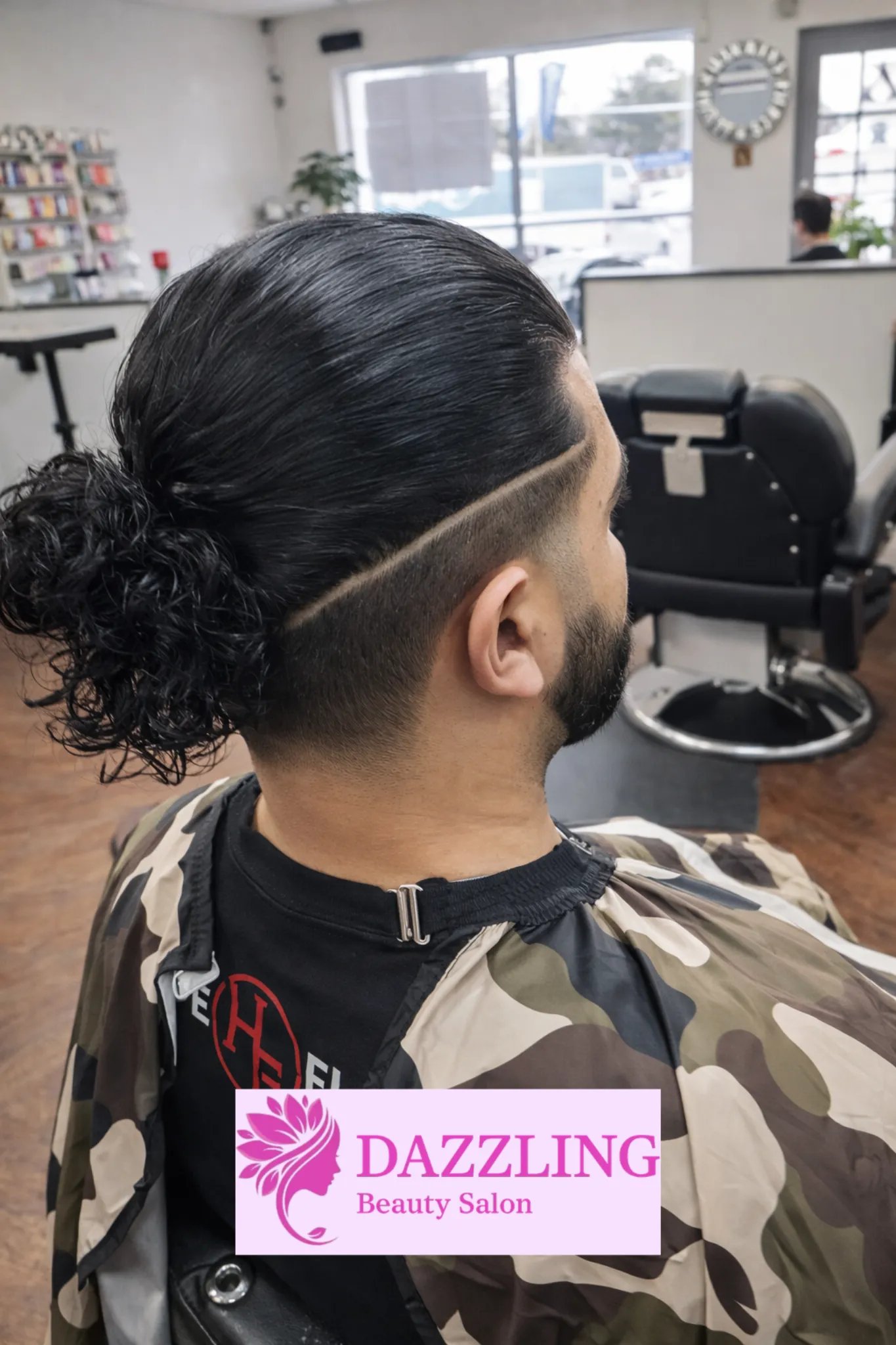
The Ultimate Guide to the Hard Part: What It Is and When to Add It to Your Haircut
Introduction: Why the Hard Part Still Matters
The hard part is more than just a line in your hair — it's a style choice that can completely change your look. In 2026, it's still a favorite among folks who want a sharp, structured style that looks great with short sides and longer tops. Whether you're thinking about trying it for the first time or keeping up with one you already have, this guide will help you understand what a hard part is, who it looks great on, how it's done, and how to keep it looking fresh.
We'll share useful tips, insights from stylists, and real-world examples so you can decide if a hard part is right for you. If you're already considering booking an appointment, our hair styling services can make your vision a reality with precision and style. This intro sets the stage for sections on technique, styling, maintenance, and examples, leaving you well-informed and ready to make a confident style choice.
We'll also reference industry knowledge and reputable sources to ensure best practices for scalp and hair health. For background on haircut styles and terminology, check out Wikipedia’s haircut page, which places the hard part in the wider history of hair design. Read on to learn how this sharp detail can transform a haircut from ordinary to modern and crisp.
What Is a Hard Part?
Definition and Visual Effect
A hard part is a shaved or razor-cut line in the hair that clearly separates two sections, often between the top and the sides. This line is more visible than a natural part, creating a clean, modern look that emphasizes contrast in the haircut. It works well with styles like fades, pompadours, quiffs, or undercuts.
When done right, a hard part looks like a deliberate design choice, not a mistake. Since it's cut into the scalp or trimmed short, it anchors your hairstyle, showing where the longer hair should sit. Stylists often use it to enhance facial lines and create symmetry or intentional asymmetry in a hairstyle.
Types of Hard Parts
There are different kinds of hard parts based on where they're placed, how deep they are, and their design. The classic side part is the most straightforward: a single shaved line that mimics a traditional comb-over but sharper. A hard part fade pairs with tapered or faded sides to boost the contrast and update the look. Some designs include curved lines, double parts, or decorative linework for a bolder style.
This technique can be subtle — just a short, thin line at the crown — or bold, extending toward the hairline or nape. Your choice depends on personal taste, the haircut's structure, and the stylist’s vision. Like any bold detail, stylists balance boldness with practicality for everyday life or special events.
Unisex Appeal and Versatility
The hard part is for everyone: men, women, and nonbinary clients. Women often use hard parts in undercuts, edgy pixies, or as a bold accent to long-stacked styles. Men tend to pair it with fades and textured tops for a polished or modern military-inspired look. Its flexibility is why the hard part remains a popular choice in 2026.
Because the technique focuses on contrast and line, it works with all hair types — straight, wavy, or curly — when handled by a skilled stylist. That adaptability makes it a valuable tool in any stylist’s kit and a common option in salon cut menus.
History and 2026 Trends
Roots and Evolution
The idea of defined parts has been around for decades, starting with neat side parts and military cuts. The modern shaved hard part evolved as barbers and stylists played with sharper contrasts and more graphic hair designs. Over the last decade, the hard part moved from barbershop exclusivity to mainstream salons and fashion-forward street style.
Its rise coincided with a broader return to classic grooming techniques mixed with modern textures and fades. Stylists began using trimmers and razors with precision to create lines that pop in photos, on runways, and in everyday life. This evolution made the hard part a go-to for clients wanting both classic and current elements.
2026: Why It's Still Trending
In 2026, the hard part stays popular because it updates almost any cut. Pairing short sides with longer tops is still trendy, and the hard part highlights this contrast. Social media culture also boosts demand for clear, photogenic details — hard parts look great in photos thanks to the sharp lines and shadows they create.
Another trend is personalization. Stylists now customize the angle, depth, and length of the part to match face shape, hair density, and lifestyle. The hard part isn't one-size-fits-all anymore; it's a creative element that can be subtle or dramatic, based on what you want.
Local Flavor: Why It Works in Austin
Austin’s creative and individualistic vibe makes the hard part a natural choice for local clients who like to stand out while staying true to themselves. Many Austin barbers and salons include artistic hard part designs in styles that reflect the city's music and arts scene. For clients here, pairing a hard part with textured styling or bold color creates a modern look that fits local style.
If you're in Austin and want a fresh look with local flair, our salon can help adapt the hard part to your style and daily routine. For men seeking structured, fashionable cuts, we offer tailored options like men haircut packages that include precise line work and finishing touches.
Who Should Consider a Hard Part?
Hair Types and Density
The hard part works with most hair types, including straight, wavy, and many curly patterns when placed thoughtfully. For fine hair, a hard part can create the look of thicker, styled hair. For thicker or curly hair, the line offers definition and control, helping manage volume and direction.
However, very tight curls or highly textured patterns might need special techniques to make the hard part visible. An experienced stylist can adjust the depth and location of the line or suggest complementary techniques like tapering or texturizing to keep the design in place.
Face Shapes and Styling Goals
Different hard part placements suit different face shapes. A side-line slightly off the crown can soften round faces by adding a strong vertical element, while a higher part can lengthen shorter face shapes. For oval faces, almost any placement works, so the choice often comes down to personal style and boldness.
Talk with your stylist about your goals: if you want a subtle update, a thin short line near the crown might be best. If you want a standout look, a deeper or angled part with a contrasting fade will feel modern and bold. Our hair styling consultations are designed to match part placement with your facial features and lifestyle.
Lifestyle and Maintenance Considerations
A hard part needs upkeep to stay sharp. If you're low-maintenance, a gentle or hidden part might be better than a stark, shaved line that needs frequent touch-ups. For those who like regular grooming, the maintenance is a simple addition to routine barber visits.
Consider how often you visit the salon, your tolerance for visible regrowth, and your styling routine. If you want the part to stay crisp, plan on visits every 2-4 weeks depending on hair growth and how defined you want the line. If you're okay with it blending in over time, less frequent visits can still keep it stylish.
How Stylists Create a Hard Part: Step-by-Step
Consultation and Design
The conversation with your stylist is key. They'll check your hair type, density, head shape, face shape, and personal style before deciding on the part's exact placement and depth. This chat also covers how often you'll need to maintain it and how the part will fit with your haircut and styling products.
Visual references help during the consultation. Bring pictures or ask the stylist to show examples. The goal is to align — stylist precision plus your vision — so both of you understand whether the part should be subtle, moderate, or bold. If you'll also be getting coloring or other services, those will be scheduled to avoid interfering with styling or healing.
Tools and Safety
Creating a hard part needs the right tools: trimmers with fine blades, straight razors for a clean line, and sometimes clippers with specific guards for blending. Stylists sanitize tools between clients and use steady hands to avoid nicks. A clean work area, good lighting, and well-maintained blades are essential to get a straight line without irritation.
Since a hard part shaves close to the skin, stylists follow safety protocols to minimize cuts and irritation. If you have sensitive skin or a scalp condition, mention it beforehand; the stylist might suggest a gentler technique or a consult with a dermatologist if needed. The American Academy of Dermatology offers general advice on scalp and hair care that professionals consider when advising clients: AAD hair and scalp care.
Execution and Finishing
The stylist marks the intended line, checks placement in multiple mirror views, then uses a trimmer to etch the line and a razor for a sharper finish if desired. After the line is made, blending on either side determines how bold the part appears. A fade emphasizes contrast, while a softer taper makes it subtler. The final step includes styling the top section, applying product, and showing you how to recreate the look at home.
Skilled execution minimizes visible trauma to the skin and ensures the line grows out evenly. If you want to experiment, start with a short, thin line and increase boldness later once you see how it suits you. Barbers often recommend a gradual approach for dramatic changes.
Styling, Color, and Maintenance
Daily Styling Tips
Styling the hard part mostly involves managing the top section and enhancing contrast. Pomades, styling creams, or matte clays help shape the hair and hold it in place so the part stays defined all day. A comb or styling brush used with product defines the direction and polish of the top while keeping the part visible.
For textured looks, apply a little product and scrunch or use a diffuser to enhance waves while maintaining the separation the hard part creates. For sleek styles, a fine-tooth comb and a light pomade produce a classic finish. Practicing at home helps you replicate your stylist’s final salon look.
Color and Contrast
Color work can boost the hard part. A lightened or contrasted top paired with darker faded sides makes the line even sharper, while subtler color transitions can soften the effect. If you're thinking about color changes with a hard part, plan color services strategically and discuss how bleaching or dyeing might affect hair texture and upkeep.
Our salon’s color correction and hair dye services can help you explore contrast safely to achieve your desired look. Professionals will plan touch-ups and aftercare to keep both the color and the hard part looking their best.
Keeping the Line Sharp: Maintenance Schedule
How long a hard part lasts depends on your hair growth rate and desired sharpness. For many clients, a 2-4 week touch-up schedule keeps the line crisp. Between appointments, you can use a trimmer at home for light maintenance if you're comfortable, but a professional touch ensures symmetry and safety.
When the part grows out, it blends into the surrounding hair. That transition can be stylish, offering a softer look without a fresh shave. Discuss growth plans with your stylist so they can shape surrounding lengths to complement the changing line.
Case Studies and Real-World Examples
The Classic Fade with Hard Part
Case: A 28-year-old customer wanted a polished, professional look with a modern edge. The stylist combined a mid fade with a thin hard part slightly above the temple and kept a medium-length textured top. The hard part highlighted the fade and provided a consistent styling direction each morning.
Outcome: The client found the look fresh and easy to manage, needing only a quick comb-through and a small amount of product. Regular 3-week touch-ups kept the line and fade sharp, and the client appreciated the stylist’s precision. This result shows why men increasingly book men haircut appointments that include line detailing.
Female Under-Cut with Graphic Hard Part
Case: A client wanted an edgy, asymmetrical look that stayed wearable for daily life. The stylist created a low undercut with a graphic curved hard part line that moved from behind the ear to the crown, paired with long, layered top lengths. Color highlights added to the curve and visual depth.
Outcome: The client loved the expressive result: the curved hard part was a bold design choice and worked with both pulled-back and loose styles. She needed touch-ups every 4 weeks and used lighter styling products to keep the top from weighing down the undercut. This approach shows how the hard part can be a creative, unisex design tool.
Texture-Forward Approach for Wavy Hair
Case: A client with natural waves wanted definition without losing texture. The stylist placed a thin hard part at the crown and left the top longer with layered texturizing. The line gave a directional anchor for the waves and helped manage volume on one side.
Outcome: With a minimal product routine and occasional salon refreshes, the client kept a relaxed, textured look that still showcased the graphic part. This example highlights the hard part’s versatility across hair textures and how it can enhance, not suppress, natural movement.
Common Questions, Troubleshooting, and Expert Tips
Does a Hard Part Suit All Hair Types?
Short answer: yes, with some adjustments. Stylists will customize placement and depth for different textures so the line stands out. For very curly or coiled hair, the hard part might need to be deeper or combined with tapering to stay visible, or a softer part might be suggested to avoid disrupting curls.
If you're unsure, ask a stylist for a trial or gradual approach. Starting with a subtle part lets you see how it works with your hair’s natural behavior and daily routine. Experienced stylists will suggest the least intrusive option that gets the look you want while protecting your hair’s health.
What About Scalp Sensitivity or Skin Conditions?
If you have sensitive skin, a scalp condition, or tend to irritate easily, mention it during your consultation. Stylists can use gentler blades, skip razor finishes, or suggest a patch test to see how your skin reacts. In some cases, a dermatology consult might be wise before shaving a line close to the skin.
For general scalp health and safe grooming, professionals often reference medical guidance and research on hair and scalp care. The National Library of Medicine hosts peer-reviewed articles on hair biology and scalp health that stylists use to ensure safe practices: hair biology and scalp research. This ensures both style and safety are prioritized in the salon.
Troubleshooting Uneven Lines and Regrowth
If a hard part becomes uneven due to regrowth or an imprecise initial shave, a stylist can fix it by refining the line or blending the surrounding areas for a smoother transition. Avoid heavy at-home attempts unless you’re skilled with clippers and trimmers; small mistakes close to the scalp can be hard to fix without professional tools and training.
For uneven regrowth, talk to your stylist about touch-up frequency and whether a different placement could make maintenance easier. A well-planned schedule reduces the chance of noticeable asymmetry and keeps the overall hairstyle balanced.
How to Talk to Your Stylist: Questions to Ask
Preparation for Your Appointment
Bring photos showing the exact type of hard part you want: thin, curved, high, or low. Ask about the stylist’s approach to making the line and whether they prefer trimmers or razors for your hair type. Confirm maintenance expectations so you’re aligned on touch-up frequency and any at-home care needed.
Also discuss how the part will fit with other services, like coloring or smoothing treatments. If you're planning color work, our color correction and Keratina treatments can be coordinated to protect hair health while getting the look you want.
On the Day: What to Expect
An appointment that includes a hard part will usually take longer than a basic haircut because of the detail work and finishing. Expect the stylist to outline placement, mark the area, and double-check symmetry before cutting. After the part is made, you’ll get styling guidance and product recommendations to recreate the look at home.
If it’s your first time, ask for a demonstration on how to style the top and how to use product without covering the part. Most stylists will offer quick at-home tips to help you keep the crispness between visits and manage regrowth smoothly.
Budget and Time Considerations
Because a hard part is a detail-oriented service, it might cost more than a standard cut depending on the salon’s pricing and design complexity. Factor in the cost of touch-ups every few weeks if you want to keep a razor-sharp line. Consider bundling services like a haircut with styling to get the most value and continuity in your salon routine.
FAQs: Quick Answers for Common Concerns
How long does a hard part last?
The visual sharpness of a hard part typically lasts 2-4 weeks before regrowth softens its crispness. Hair growth rates vary by person, so maintenance schedules can be adjusted. If you prefer the line to stay subtle, you can space touch-ups further apart and let the part blend naturally into the surrounding hair.
Can I do it at home?
Technically yes, but precision is tough without experience and the right tools. A professional stylist will deliver a cleaner, safer result and can tailor placement to your face and hair type. If you do try it at home, use quality trimmers, work slowly, and follow up with a professional if you’re unhappy with the outcome.
Will a hard part damage my hair?
The hard part itself is a surface-level shave and doesn't harm hair if done correctly. However, frequent razor work or aggressive home trimming can lead to skin irritation. Always follow stylist advice for aftercare and avoid excessive chemical treatments on the shaved area until the scalp heals.
Conclusion: Is a Hard Part Right for You?
A hard part is a versatile, stylish detail that can elevate haircuts from classic to modern. It suits all hair types and genders when tailored by an experienced stylist, and its popularity in 2026 reflects a wider interest in personalizing and adding graphic detail to hair design. If you like structure, defined contrast, and a modern shape, a hard part is worth considering.
To see if a hard part will complement your look, book a consultation with our expert team. We offer precise line work within our women haircut and men haircut services and can pair the part with color, texture, or smoothing treatments to achieve the exact effect you want. For maintenance or a fresh start, our stylists can recommend a personalized schedule and product lineup.
Ready to try a hard part or want more info? Contact Dazzling Beauty And Barbershop at (512) 762-8555 or email us at info@theaustinhairsalon.com to schedule an appointment. Explore our full range of services, including professional hair styling, color correction, and nourishing treatments like Keratina to keep your hair healthy and camera-ready.
Further Reading and Resources
For more on haircut techniques and the science of hair, check out reputable sources that salon pros use. The American Academy of Dermatology offers practical hair and scalp care advice useful for anyone getting close-shaved lines: AAD hair and scalp care. For research on hair biology and growth cycles, see peer-reviewed articles available through the National Institutes of Health and NCBI: hair biology and scalp research.
Also, general background on haircuts and cultural history is available at Wikipedia: History of haircuts. These resources support safe practices and help you make an informed decision about adding a hard part to your next haircut.
Thanks for reading. If you want a crisp, modern look with professional execution, our team at Dazzling Beauty And Barbershop is ready to help. Schedule a consult today and discover whether the hard part is the detail your haircut has been missing.
Call to action: Book your appointment now and ask about our precision part services when you call (512) 762-8555 or visit our website at theaustinhairsalon.com. Transform your look with a hard part placed and maintained by Austin’s experienced stylists.