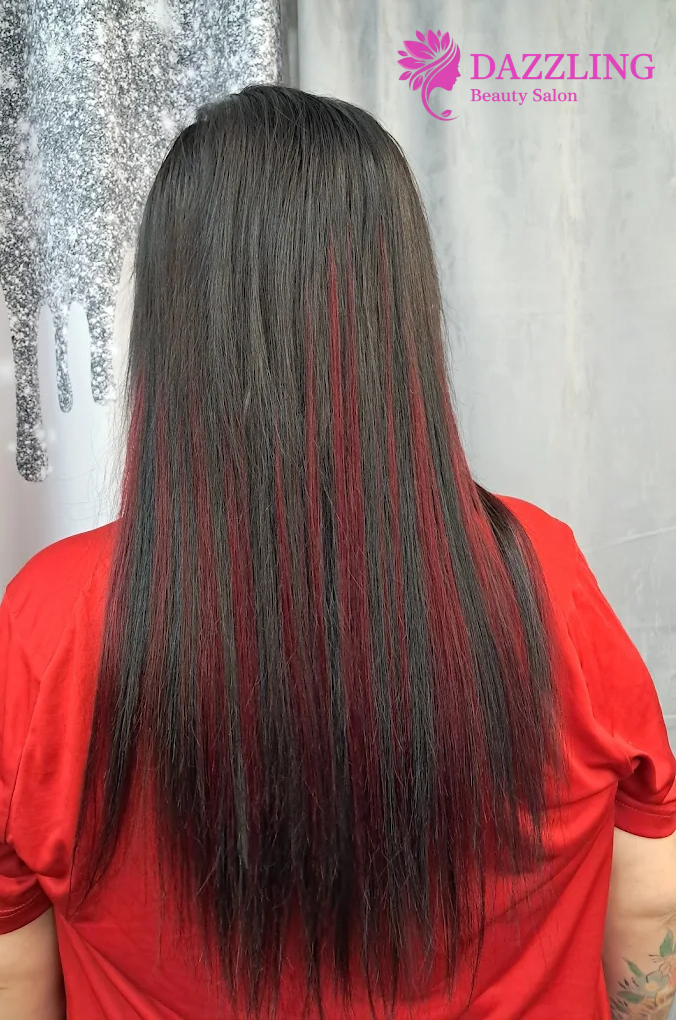
How to Add Color Highlights Without Damaging Your Hair: Expert Techniques & Aftercare
Introduction: What You’ll Learn and Why Hair Health Matters
What this guide covers
In this guide, we're diving into how you can get beautiful color highlights while keeping your hair healthy and shiny. We'll cover the latest techniques that minimize damage, share tips for professional preparation, discuss at-home options, and offer advice on maintaining your hair afterward. You'll also find insights from experts to help you make the best choices for your next color appointment. By the end, you'll know how to choose the right method for your hair goals and health.
Why minimizing damage matters
Highlights can change your look, but they can also harm your hair if done poorly, leading to dryness and split ends. Keeping your hair strong helps maintain its elasticity and the color's vibrancy. Using methods that minimize damage means you spend less on repairs and keep your hair looking great longer. Understanding how chemicals affect your hair can help you make safer choices.
Quick overview of options
There are many ways to add highlights without damaging your hair, from balayage to gentle bleaching and glossing treatments. Some techniques lift the color gently, while others use tints to avoid bleach entirely. The best choice depends on your hair's current condition, the color you want, and how much upkeep you're willing to do. If you prefer professional help, our hair styling services can create a plan that suits your style and keeps your hair healthy.
Understanding Hair Structure and How Highlights Affect It
Basic hair anatomy
Your hair has an inner cortex surrounded by a cuticle layer, like shingles on a roof, and a medulla if it's thick. The cuticle keeps moisture in and shields internal proteins, while the cortex provides strength and color. Any chemical process that changes your hair color involves opening the cuticle to reach the cortex, which is where damage can happen. Knowing this helps explain why some techniques are gentler and why treatments work.
How bleaching and lightening impact hair
Bleaching opens the cuticle and removes color from the cortex, weakening your hair’s internal structure. Overdoing it can make hair dry and prone to tangles. Studies show that repeated chemical treatments can damage hair, so it's wise to be cautious, especially if your hair is already delicate (NCBI review on hair cosmetics). Limiting how much and how often you lighten your hair can prevent long-term damage.
Recognizing early signs of chemical damage
Watch for signs like frizz, tangles, dullness, reduced elasticity, and split ends after coloring. If your hair snaps easily or feels rough, it might be time to adjust your routine or seek professional help. Quick intervention with deep conditioning or protein treatments can stop minor issues from getting worse. A salon consultation that checks your hair’s condition is a good first step to prevent further damage.
Modern Low-Damage Highlighting Techniques
Balayage: natural, freehand dimension
Balayage involves hand-painting highlights where you want them, creating a soft, natural look without full saturation. This technique is gentle, as it avoids over-processing near the roots, keeping your hair healthy. It also grows out naturally, meaning less frequent touch-ups and less damage over time. Many people love balayage for its low-maintenance and natural finish.
Low-volume bleach: gentler lift strategies
Using a low-volume bleach with milder developers can lift hair color a few shades without causing much damage. This is great for subtle highlights or gradual transitions to a lighter shade. Salons offer this as a middle-ground option between no-lightening techniques and full bleaching. During consultations, ask about low-volume options to keep your hair healthy long-term.
Glossing treatments: shine and tone without bleach
Glosses add color to the hair’s surface, enhancing tone and shine without opening the cuticle. They’re perfect for refreshing your highlights and adding a healthy glow. Because glosses are gentle, they work well with repair treatments and extend the life of your highlights without extra chemical stress. Stylists often alternate between glosses and more intensive treatments to maintain color and reduce processing.
Balayage vs. foil highlights: choosing the right approach
Foil highlights offer precise placement and are ideal for bright looks, while balayage provides softer, more natural transitions. Foils can be more intense if used extensively, which can increase damage risk. Your stylist can recommend the best method based on your hair’s condition and your desired look. When unsure, go for a gradual plan with protective steps to maintain your hair’s health.
Salon Best Practices: Preparation, Application, and Protection
Consultation, strand tests, and realistic expectations
A comprehensive consultation looks at your hair’s history and condition to suggest a safe plan. Strand and patch tests show how your hair reacts to color, helping avoid surprises. A clear plan should balance the color you want with your hair’s health. Always be honest about past treatments so the salon can create a safe approach.
Protein treatments and reconstructive steps
Protein treatments before and after coloring help restore your hair’s strength. Professionals might use special treatments on fragile hair before applying color or to repair it afterward. Combining protein with moisture treatments keeps hair balanced; too much protein can make it stiff without enough hydration. Ask your stylist for a personalized routine if your hair shows damage signs.
Deep conditioning, masks, and sealing the cuticle
Deep conditioning and masks replenish moisture and smooth the cuticle after highlights. Salon masks usually have stronger ingredients than at-home products, helping restore elasticity. Regular salon treatments keep your color looking fresh and reduce the need for fixes later. Some stylists suggest alternating protein treatments with hydrating masks to keep your hair strong.
Heat protection and styling best practices
Heat from styling tools can worsen chemical damage. Use a heat protectant and keep styling temperatures low to protect your hair. Stylists often recommend thermal protectants that also moisturize. Air-drying and using heat-free styling techniques can help your highlighted hair last longer.
Safe At-Home Highlighting: Tools, Products, and Step-by-Step Guidance
Choosing the right products and tools
If you’re highlighting at home, pick products that minimize lift to protect your hair. Use precision tools for targeted highlights, and always have a neutralizing shampoo ready. Choose formulas without ammonia and avoid overlapping applications that can increase damage. Conduct patch tests to see how your hair will respond.
Step-by-step guide to a safer DIY highlight
Check your hair’s condition and do a strand test before starting. Protect your skin and clothes, and apply the product where you want highlights, avoiding the roots if possible. Follow the recommended time to minimize damage. Rinse thoroughly and use a conditioning gloss to restore moisture. If results aren’t what you expected, pause and consult a pro to avoid further issues.
When DIY is not recommended
Avoid complex highlights at home if your hair is already treated or fragile. Dramatic changes that need multiple lifts are best done professionally. If a test shows breakage, don’t proceed; seek a colorist’s advice instead. Prioritizing safety helps maintain your hair’s health and avoids costly repairs.
Maintenance and Aftercare to Preserve Highlights and Hair Health
Washing, shampoo choices, and water considerations
Use sulfate-free, color-safe shampoos and wash your hair two to three times a week. Cool water and quick rinses help keep your color vibrant. Clarifying treatments should be rare to avoid stripping color. In areas with hard water, consider a filter or treatment to prevent mineral buildup that can dull your highlights.
Styling and heat tool routines
Use styling tools with adjustable temperatures and avoid high heat to protect your hair. Apply protective serums before styling and try air-drying or heat-free styles when possible. If you use hot tools often, schedule regular conditioning treatments to counteract damage.
Frequency of touch-ups and professional refreshes
Wait at least 6 to 8 weeks between highlight sessions to let your hair recover. Balayage may need less frequent touch-ups, while brighter highlights might need more. In between, salon glosses or a color touch up can refresh your look without heavy bleaching. Talk to your stylist about a schedule that keeps your hair healthy.
Case Studies, Examples, and Real-World Applications
Salon adoption of low-volume techniques
Many salons now use low-volume and gradual-lift techniques to meet client demand for safer color services. This often leads to less breakage and fewer corrections. Salons that use gentle strategies and include treatments like bond rebuilders usually see happier clients and less damage. This approach aligns with trends focusing on hair wellness.
Balayage success stories and longevity
Balayage clients often enjoy longer intervals between visits and softer grow-out phases, making it a cost-effective choice. Its natural placement and soft transitions mean fewer touch-ups and less stress on your hair. When combined with glosses and treatments, balayage stays vibrant longer than full-head lightening methods.
Recovery and corrective strategies with color correction
If your hair is over-processed, a recovery plan with protein rebuilding, hydration treatments like Botox Capilar, and careful color corrections can help restore it. Color correction isn't just reapplying pigment; it often involves diagnostics, gradual adjustments, and protective steps to heal your hair before more processing. Our salon focuses on gradual improvements rather than risky, quick fixes.
Frequently Asked Questions and Troubleshooting
How often can I highlight without causing long-term damage?
Most experts suggest waiting at least 6 to 8 weeks between highlights to let your hair recover. The exact timing depends on your hair’s health and history. For less frequent maintenance, try balayage or regular glossing. Keep up with conditioning between appointments to reduce risks.
What to do if highlights look brassy or uneven
Brassiness comes from warm pigments and can often be corrected with purple or blue toners. Uneven results may need a professional touch-up to avoid worsening the issue. For big problems, professional color correction is the safest way to restore balance and protect your hair.
When should I see a professional instead of attempting at-home fixes?
If your hair is fragile, breaking, or previously treated, or if you're planning a big change, consult a professional. They have access to bond-builders and accurate color formulations that reduce damage risks. If a test shows breakage, stop and consult a stylist who can recommend treatments and a safe plan.
Conclusion: Summary and Actionable Next Steps
Key takeaways
Getting highlights without damaging your hair involves using modern techniques, careful preparation, and consistent care. Methods like balayage, low-volume bleach, and glosses minimize aggressive lifting. Protein treatments, deep conditioning, and heat protection help your hair recover and stay strong. Regular maintenance with color-safe products keeps your color fresh.
Plan your safe highlighting journey
Start with a consultation to assess your hair and request low-damage options if you're worried about fragility. Alternate lighter services with hydrating treatments like Keratina or salon masks that rebuild moisture and health. For root maintenance or a gentle refresh, our color touch up offers a quick, safe solution to keep your look polished.
Get professional help and schedule a consultation
For a personalized plan that combines the latest techniques with expert care, contact Dazzling Beauty And Barbershop at (512) 762-8555 or email info@theaustinhairsalon.com to book a consultation. Our team can develop a timeline that suits your style goals while keeping your hair healthy. Visit or call to discuss options from subtle glosses to layered balayage and restorative treatments to maintain your hair’s shine.
For further reading, check out trusted resources like Wikipedia: Hair coloring and clinical reviews on hair cosmetics from the National Center for Biotechnology Information. Dermatology experts at the American Academy of Dermatology also offer practical hair care guidance (AAD hair care).