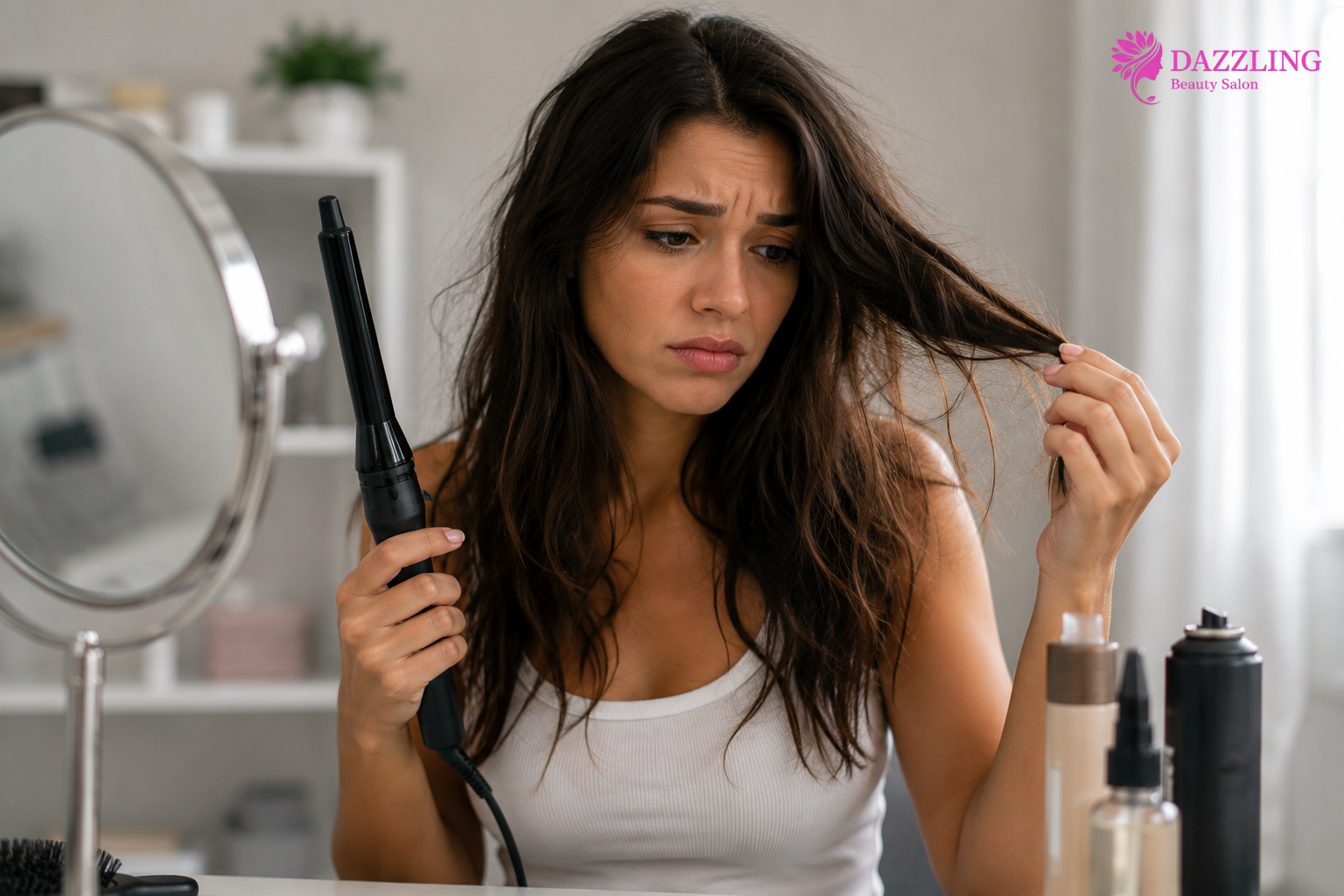
Why Your Hair Doesn’t Hold Style for Long: Causes, Fixes, and Salon-Approved Solutions
It’s incredibly frustrating to spend time perfecting a hairstyle only to see it fall flat in no time. Whether your curls droop, the blowout loses its oomph, or your updo starts slipping, it's usually not just “bad hair.” It often comes down to a mix of your hair texture, how you prep it, the products you use, and your styling technique. Let's dive into why your styles might not last and how you can change that, from simple habits at home to professional support like long-lasting hair styling and salon shampoo services that set your hair up for success.
Here’s something interesting: freshly washed hair is often too smooth and soft to hold styles well. Many stylists suggest letting your hair rest for a day or using texturizing products to create some grip. This advice aligns with tips from resources like the Oklahoma State University Extension, which highlights how hair condition, cleaning habits, and product choice affect hair manageability. If you’ve wondered why your hair seems to reject styles, it often starts with how you prepare it.
The Main Reasons Hair Won’t Hold a Style
Freshly washed hair lacks grip.
While clean hair looks great and shiny, it can be too slippery for certain styles. Once you wash out natural oils and texture, your hair might lose the friction needed for curls, pins, and volume to stay put. That’s why many stylists prefer working with hair that's had some time to settle after washing, especially for structured looks.
Want your hair to hold its shape longer? A gentle cleanse followed by the right finishing products can make a big difference. A professional shampoo service can help, but styling hair with a bit of lived-in texture is often better than working with hair that’s freshly washed and too soft.
Hair texture and porosity affect style retention.
Fine hair often struggles to maintain volume because it’s light and can sag under its own weight. Very smooth or silky hair might resist pins and curls because it’s too polished. Porosity also plays a role: hair that absorbs moisture quickly may swell or relax faster, while low-porosity hair might hold its shape initially but slip once products break down. For more on how hair structure impacts product performance, check out our guide to hair porosity and product absorption.
Texture and product choice are huge factors in how long a style lasts. There isn't a set duration for how long styles should hold, but your hair type can significantly affect whether a style survives a commute, a humid day, or a long event. Personalizing your approach is often better than copying a trend.
Too much moisture or too much weight can ruin the hold
Hydrating products are excellent for dry hair, but overusing heavy creams, oils, or conditioners before styling can leave hair soft and heavy. When strands are overloaded, they lose lift and bounce, especially curls and waves, which can start looking defined and then quickly stretch out.
Balance here is key. Lightweight mousses, flexible sprays, and strategic texturizers generally work better than rich creams for styles that need to last. For frizz control, treatments like keratina or Botox Capilar can help create a more manageable base for styling without weighing hair down.
What Experts Recommend Before You Style
Let hair rest after washing.
A current trend in hair care is styling hair that isn’t freshly washed. Hair that’s a day old often has enough natural texture to retain shape more effectively. This doesn’t mean hair should feel dirty; it just means the cuticle has settled and natural grip has returned.
This tip is especially useful for updos, curls, and smooth blowouts that need structure. If you’re prepping for an event, plan your wash day instead of washing right before styling. Stylists often use this timing because it sets a better foundation for lasting results.
Use texturizing products strategically.
Texturizing sprays, dry shampoos, and lightweight volumizing products can help hair hold shape by increasing friction and reducing excess softness. According to modern beauty advice, texture is one of the most important factors in style durability. A good texturizing spray can turn silky hair into hair that grips curls, braids, clips, or teased volume.
Looking for product inspiration? Check out this roundup of texturizing sprays, which highlights how these formulas can add lift and grip without making hair feel stiff. The key is moderation: too much product can lead to buildup, while too little might not make enough difference. A stylist can help find the right balance for your hair type.
Choose the right cut for the style you want
Sometimes, poor hold isn’t about products. The haircut itself might be working against your styling goals. Layers, weight distribution, and shape all affect whether curls bounce, straight styles stay smooth, or volume appears at the crown. A cut that supports your daily routine can reduce the amount of product and effort needed to keep a style in place.
If you’re ready for a cut that works with your routine, a customized women's haircut or men's haircut can be a smart starting point. A good cut often provides the hidden foundation behind styles that seem effortless and long-lasting.
How to Make Curls Last Longer
Set curls properly while they cool.
Curls often drop when handled too soon. After using a curling iron or wand, let each curl cool completely before brushing or touching it. This cooling time helps the shape set, which is essential for longer wear. Skip this step, and even a great curling technique might fail because the structure never got a chance to lock in.
Pinning curls up to cool or letting them sit untouched for a few minutes can significantly improve longevity. This simple styling habit gives immediate results without cost. For a polished version for an occasion, professional hair styling can make the process faster and more reliable.
Finish with a flexible hold, not stiffness.
The goal isn’t to freeze hair in place; it’s to support the style enough that it can move naturally while still holding its shape. Flexible hairsprays and light-hold finishing products often outperform ultra-firm formulas because they let the hair stay touchable. Stiff styles can crack, flake, or collapse with humidity and movement.
A salon professional can help decide if your curls need pre-styling support, post-styling finish, or both. For special occasions, pairing the right products with a thoughtful base cut and proper prep often makes the biggest difference. That’s especially true for clients who want volume that holds through photos, dancing, or a long workday.
Protect curls from humidity and friction.
Humidity is one of the biggest enemies of style longevity because it makes hair swell, frizz, and lose shape. Friction from scarves, jackets, seatbacks, and even frequent touching can also shorten curl lifespan. To protect your style, avoid touching and use a humidity-resistant finish when needed.
If frizz is a recurring issue, consider services designed to smooth and soften hair structure. Treatments like keratin smoothing or Botox Capilar can make daily styling easier and help reduce the effort needed for a polished look. They’re not magic fixes, but they can create a more stable base for curl retention.
Why Volume Disappears So Quickly
Root collapse is often caused by weight and product buildup
Volume usually disappears when roots are weighed down by heavy conditioners, too much oil, or the natural movement of fine hair. Even a well-blow-dry style can flatten if the scalp area is overloaded with products. The solution is to keep heavier formulas away from roots and focus them only on the mid-lengths and ends.
A clarifying routine can also help if buildup is an issue. When styling products layer up over time, hair loses bounce and stops responding to volumizing techniques. A thoughtful cleanse followed by lightweight styling support often restores much-needed lift.
Cut and dryness both influence lift
Hair that’s too soft, too conditioned, or too long for its density might just refuse to hold volume. Slightly drier textures often support the body more easily because they have extra friction. That’s why volumizing isn't always about adding more moisture; sometimes it’s about reducing softness and creating lift-friendly texture.
A salon consultation can help determine if the issue is your cut, your products, or both. For clients who want a more tailored approach, local experts can recommend styling methods that match your everyday schedule and climate. If you’re looking for personalized help, Dazzling Beauty Salon offers practical solutions for style longevity.
Strategic product layering matters
Instead of piling on one heavy product, build your style in layers. Start with a lightweight prep product, add a mousse or texture spray before drying, and finish with a flexible mist once the style is set. This step-by-step approach often works better than forcing hold at the end.
Think of styling as building structure, not just decoration. The early steps create the scaffold; the final steps protect the finished shape. When the order’s wrong, even high-quality products can underperform.
Professional Techniques That Improve Hair Style Longevity
Blow-drying technique changes everything.
Many styles fail because the drying phase is rushed or done without direction. Blow-drying with the nozzle pointed downward for a smooth look, or lifting hair at the root for volume, can dramatically improve the final result. Heat alone doesn’t create lasting style; controlled airflow and tension do.
Professionals use brushes, sectioning, and cooling time to create more stable shapes. If your at-home results never last as long as salon results, the difference might be the technique rather than the product. This is one reason a professional styling appointment can be worth it when longevity matters.
Sectioning creates a cleaner, stronger shape.
Working in small sections ensures each part of the hair gets equal attention. This is crucial for curls, smooth styles, and pinned looks because uneven drying or uneven tension can cause one area to fall apart sooner. Sectioning also helps products distribute more evenly, improving consistency.
Stylists use sectioning to create predictable results because predictability matters when clients need a style to last through an event or a long day. It’s one of the simplest habits that separates a quick attempt from a polished finish. Small changes in method often lead to big changes in durability.
Consulting a stylist can save time and frustration.
If you’ve tried multiple products but your style still doesn’t last, a consultation may reveal the missing piece. Experienced stylists can identify if you need a haircut adjustment, a product switch, a prep routine change, or a smoothing service. Personalized advice is often more effective than trial and error because it addresses your specific needs and goals.
For those seeking a personalized plan, services like hair styling, color touch-up, and color correction can all influence how hair behaves. Color-treated hair, for instance, may feel drier or more porous and therefore respond differently to styling products and heat.
The Role of Hair Health in Style Retention
Damaged ends and uneven texture reduce hold.
Split ends, overprocessing, and rough cuticles make hair harder to style because the strand surface is no longer uniform. When texture is inconsistent, curls may fall unevenly, and sleek styles may appear frayed or puffy. Regular maintenance makes styling easier because healthy hair responds more predictably to heat and product.
That’s why trims and maintenance are not just about looks; they also affect performance. If your style always collapses at the ends first, damage might be the culprit. Keeping the cut fresh can improve both shape and longevity.
Scalp care supports better styling results.
A healthy scalp helps hair grow in a cleaner, more manageable state. Excess oil, buildup, or irritation can make roots limp and reduce the effectiveness of volumizing products. Good scalp care supports the clean foundation that styles need to stay lifted and balanced.
To understand this better, our guide to scalp health explains how the condition of your scalp affects overall hair quality. You can also find helpful health information on hair and scalp care from the American Academy of Dermatology, a trusted source that discusses how hair health influences appearance and manageability.
Color and chemical services can change how hair behaves
Hair that’s been lightened, dyed, or chemically treated often behaves differently from untreated hair. Some color services leave the cuticle more open or the hair more porous, which may make styles either hold too well or not hold at all, depending on the strand’s condition. This is why aftercare matters so much after any color service.
If your style issues started after a color service, the answer might be a maintenance adjustment rather than a styling overhaul. Our hair color maintenance guide offers more details on how color affects hair behavior, and professional salon support can help restore balance when needed.
Real-World Examples of Better Hold
Example one: the day-old blowout
A client with fine, straight hair might struggle to keep a fresh blowout full and bouncy on the same day it’s washed. By waiting until the next day, using a root-lifting product, and finishing with a texturizing spray, the style often lasts longer and looks fuller. This is a common salon trick because it works with the hair’s natural texture rather than against it.
Small timing adjustments like this can dramatically improve results without requiring a big product investment. Better hold often starts before styling even begins.
Example two: curls for a special event
Someone preparing for a wedding, photoshoot, or dinner event may need curls that last for hours, not minutes. In that case, cooling curls properly, using a flexible hold spray, and avoiding heavy oils can create a much better result. A professional hair styling appointment is especially useful when the event has a long schedule and little room for touch-ups.
For added polish, some guests combine hair styling with makeup so the entire look is cohesive and camera-ready. That full-service approach can simplify preparation and reduce stress on the day of the event.
Example three: smoothing frizz-prone hair
For clients whose styles collapse because frizz and puffiness take over, a smoothing service may be more helpful than more product. A treatment like keratina or Botox Capilar can make the hair surface sleeker and easier to manage. Once the hair is more controlled, styles usually hold better because the shape starts from a more cooperative base.
This kind of long-term solution is often more satisfying than constantly reapplying sprays and creams every morning. It also makes daily routines faster, which is a major benefit for busy clients.
How to Build a Style-That-Lasts Routine at Home
Start with the right wash schedule.
Not every hairstyle needs freshly washed hair, and not every hair type should be washed the same way. If your styles fail quickly, experiment with spacing out washes so your hair has a little natural texture. Pair that with a gentle cleanser and a lightweight conditioner so hair stays clean without becoming too soft or slippery.
Think of wash scheduling as part of styling prep, not just hygiene. When you plan it well, the rest of the routine becomes much easier and more effective.
Keep a small toolkit to hold and refresh.
A practical styling kit might include dry shampoo, a texturizing spray, a flexible hairspray, clips, a round brush, and a heat protectant. These tools work together to support the hold at different stages. Refreshing volume at the roots or reactivating a style before leaving the house can help extend wear significantly.
For clients who prefer a polished finish without the guesswork, salon services like hair styling and women's haircuts can create a stronger foundation, so the at-home toolkit is easier to use. A good routine supports the style; it does not fight it.
Know when to upgrade to salon support.
If you have repeated trouble with styles falling flat, slipping out, or losing shape too fast, it may be time to get a professional assessment. A stylist can often spot root-level issues such as cut imbalance, product buildup, or a texture mismatch that is easy to miss at home. That kind of guidance can save time, money, and frustration in the long run.
Salon support is especially helpful before important events, during seasonal humidity changes, or after a major color or cut update. If you are in the area and want a customized solution, Dazzling Beauty Salon offers services designed to help hair look polished and stay in place longer.
FAQs About Hair That Won’t Hold Style
Why does my hair lose volume so quickly?
Fine texture, heavy products, freshly washed hair, or an overly soft cut can all cause volume to disappear. Root collapse is also more likely when buildup weighs hair down. The best fix is usually a lighter routine and a cut or product plan designed for your texture.
How can I make my curls last longer?
Let curls cool fully, use a texturizing base, avoid heavy oils before styling, and finish with flexible hold. Day-old hair often works better than freshly washed hair for curl retention. If needed, a stylist can help you build a curl routine that suits your strand type.
Are there products that help hair hold styles better?
Yes. Texturizing sprays, dry shampoos, mousses, and lightweight hairsprays are among the best options for improving grip and longevity. Product choice should match your hair type, because the wrong formula can add weight instead of support.
For further reference on safe and effective general hair-care practices, the MedlinePlus hair and scalp resources provide trusted information from the U.S. National Library of Medicine. While this topic is not about hair loss specifically, the guidance is still useful for understanding scalp and hair health as part of styling success.
Conclusion: Better Hold Starts with Better Preparation
If your hair does not hold style for long, the problem is usually solvable once you understand the role of texture, preparation, and technique. Hair that is too soft, too clean, too weighted down, or shaped with the wrong cut may struggle to maintain curls, volume, or smoothness. By adjusting your wash timing, choosing lighter products, and using methods that support grip, you can dramatically improve how long your style lasts.
When home routines are not enough, professional support can make all the difference. Services like hair styling, shampoo, keratina, and Botox Capilar can help create a stronger, more manageable foundation for lasting results. If you are ready for a style that stays put longer and looks polished throughout the day, contact Dazzling Beauty Salon and book a consultation to find the right solution for your hair.