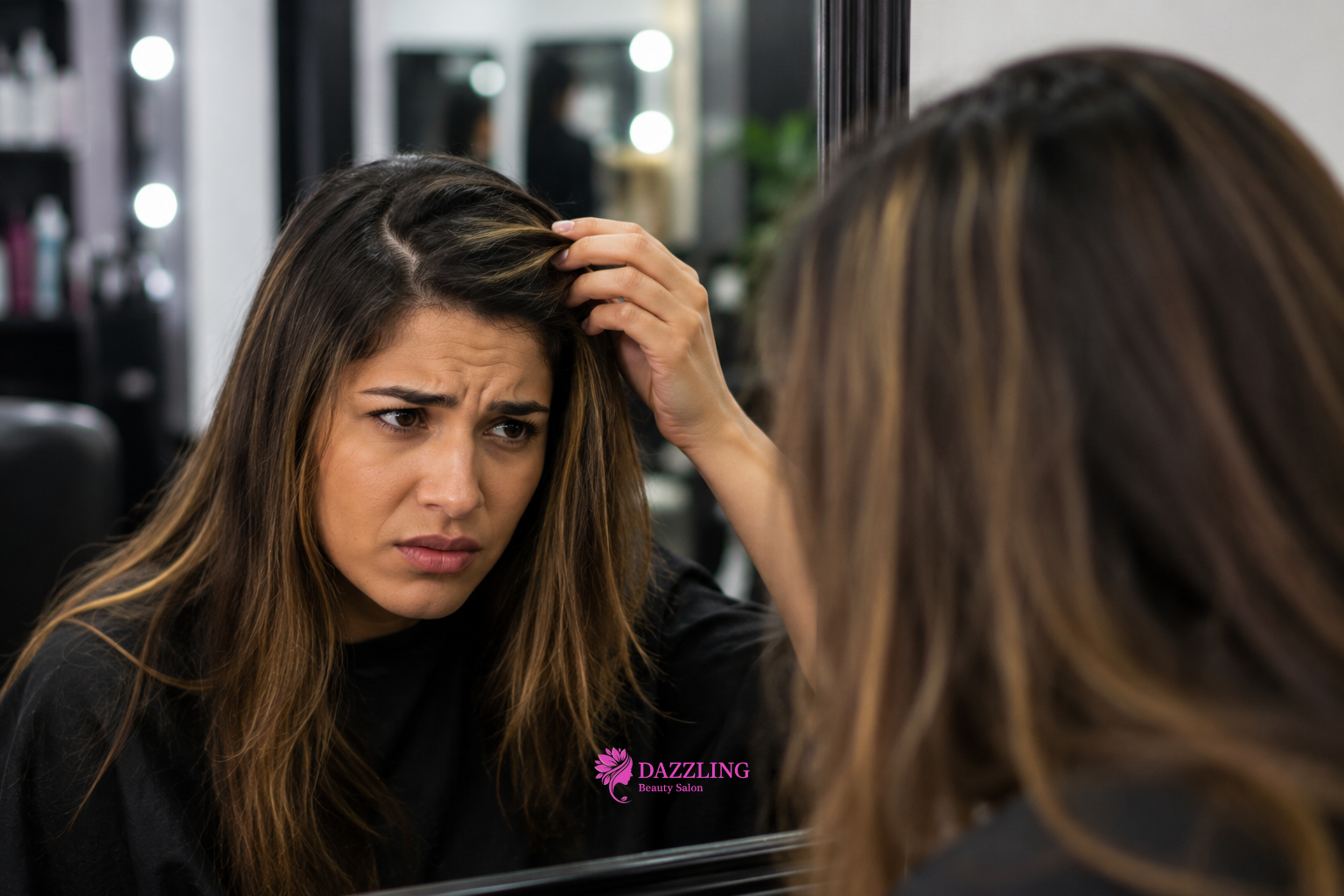
Why Hair Color Fades Faster Than You Expect
Fresh color can really change your look, but it often starts to fade sooner than you'd like. If you've ever noticed that your color looks amazing right after the salon but fades quickly, you're not alone. Color-treated hair needs special care, and small daily habits can either keep your color looking fresh or cause it to fade faster. At Dazzling Beauty Salon, we often help clients understand the difference between a great color service and the aftercare that keeps it looking great.
The good news is that fading isn't random. It usually happens because of how you wash your hair, use heat, get exposed to the sun, deal with chemical damage, and the type of color you've chosen. If you're trying to keep your color fresh, combining the right at-home routine with professional services like color touch-up and hair dye can make a big difference. For more tips, check out our post on keeping hair happy between salon visits.
Hair color fading is also influenced by the chemistry of your hair. Once color molecules are deposited into the hair shaft, they can gradually wash out or break down when the cuticle is lifted by heat, harsh cleansing, or environmental stress. According to the American Academy of Dermatology, gentle cleansing and careful conditioning are two of the most effective ways to protect treated hair over time. You can learn more about hair and scalp care recommendations from the American Academy of Dermatology.
The Main Reasons Your Hair Color Doesn’t Last
Over-washing and the wrong shampoo
One of the biggest reasons hair color fades is simple: too much washing. Every time you shampoo, a little bit of color can be washed away, especially if you're using a strong or stripping formula. Clarifying shampoos, heavy sulfates, and hot water can all make this worse. Even if your hair looks clean and fresh after washing, frequent shampooing can slowly drain the richness from your color.
Color-safe products are designed to help preserve tone by using gentler cleansers and more moisturizing formulas. If you're not sure what to choose, a salon visit for a gentle shampoo service can help reset your routine and show you what clean, color-friendly hair should feel like. In many cases, washing less often and switching to a sulfate-free shampoo can noticeably extend color life.
Heat styling without protection
Flat irons, curling wands, blow dryers, and hot brushes can all cause thermal stress. When hair is exposed to repeated high heat, the cuticle becomes less able to hold onto pigment. That means your beautiful shade can look flat, brassy, or uneven faster than expected. This is especially true for lighter blondes, rich reds, and fashion shades that depend on delicate pigment placement.
Using professional hair styling guidance and a quality heat protectant before every hot-tool session is one of the easiest ways to reduce damage. The hair care industry has also seen a rise in heat-protectant sprays and creams that form a shield between your strands and your tools. This trend is backed by the practical reality that less heat damage means better shine and better color retention.
Sun, humidity, and environmental exposure
UV rays can break down color molecules and dry out the hair, while humidity can cause frizz and lift the cuticle, making fading more obvious. This is even more important in warm climates where sun exposure is frequent. In places like Austin, the combination of strong sunlight and moisture can make color maintenance feel like a full-time job if you don't use protective products.
That’s why styling support and UV-blocking products are becoming more popular in salon routines. The U.S. Environmental Protection Agency explains that UV exposure can damage more than just skin, and protective habits are important for overall personal care. For a general background on UV exposure, see the EPA UV Index.
Color type and pigment size
Not every shade fades at the same rate. Reds and coppers tend to fade faster because the pigment molecules are larger and can slip out of the hair more quickly. That doesn't mean you should avoid these gorgeous shades; it simply means they require more thoughtful care. Fashion colors and highly processed blondes can also need more frequent refreshes than deeper, natural-looking brunettes.
If you love reds, coppers, or dimensional brunette tones, scheduling regular upkeep with services like gray hair touch-up or color correction can help keep your look balanced as it grows out. For clients who want depth and shine without constant redo appointments, choosing a shade strategy with your stylist is just as important as the initial application.
What’s New in Color-Safe Hair Care
Gentler cleansing formulas
One of the biggest trends in hair care is the move toward color-safe shampoos and conditioners that clean without aggressively stripping the cuticle. These formulas are often lower in sulfates and richer in moisturizing ingredients, which makes them better for treated hair. Many also support softness and manageability, which is important because dry hair tends to look faded faster.
Clients often notice a difference within just a few washes after switching products. A more gentle cleanser can help preserve your tone while still removing oil and buildup. When combined with routine care from a salon and a careful at-home process, these products become part of a sustainable hair color maintenance plan.
Heat protectants and UV-blocking products
Another important development is the wider availability of styling products made specifically for color-treated hair. Heat protectants now come in lightweight sprays, creams, and serums designed to reduce thermal stress without making hair feel heavy. UV-protective products are also gaining popularity because they help shield hair from sunlight-related oxidation and dryness.
For many clients, this is the simplest upgrade they can make. You don't need a complicated routine to protect your investment; you need a few consistent habits that fit your lifestyle. If you are regularly blow-drying or using irons, adding protection before styling should be non-negotiable.
Deep conditioning and bond-supporting care
Regular deep conditioning treatments have become a core part of modern color maintenance because healthy hair holds color better. When your strands are hydrated and smooth, pigment is less likely to wash out or appear dull. Some salon services also support the internal structure of the hair, helping it feel stronger after chemical processing.
This is one reason many stylists recommend pairing color services with strengthening care. If your hair has been lightened or refreshed multiple times, adding moisture and repair to the routine can improve both shine and longevity. A treatment-based approach is often the difference between color that merely looks good for a week and color that stays flattering for weeks.
Expert Aftercare Habits That Really Work
Wash with cooler water.
One of the easiest expert tips is to reduce the water temperature when washing. Cool or lukewarm water helps keep the cuticle smoother, which makes it harder for pigment to escape. Hot water can open the cuticle more than necessary and make hair feel dry and rough, especially if your color has already been processed.
You do not need an ice-cold rinse to see results. Even a small temperature adjustment can help. Many clients find that this one habit improves shine and makes their hair feel healthier between appointments.
Reduce wash frequency
If you wash daily, your color is likely fading faster than it should. Extending the time between washes gives pigment more time to stay in place and allows your scalp's natural oils to support softness. Dry shampoo can help on in-between days, but it should be used thoughtfully so it does not build up on the scalp.
The best routine is one you can maintain consistently. Some people do well washing two to three times a week, while others may need a slightly different schedule based on hair type and lifestyle. The goal is to keep hair clean enough to feel good without over-cleansing the color away.
Apply deep conditioning regularly.
Moisture is one of the strongest allies of long-lasting color. Weekly or biweekly deep conditioning treatments can improve elasticity, reduce roughness, and make your shade appear richer. If your ends are especially dry, they may need more support than the rest of your hair because porous areas release pigment faster.
When the hair cuticle lies flat and feels soft, reflected light makes color look more vibrant. That is why healthy-looking hair often appears more saturated, even if the color formula itself has not changed. This is also a good reason to work with services like Botox Capilar or keratin treatments when frizz and dryness are making your color look dull.
Protect hair before heat styling.
Every time you style with heat, you should think about defense first. A heat protectant can help reduce dryness and limit the breakdown of color molecules caused by high temperatures. It also helps the finish look smoother, which means your color reflects light better and appears more polished.
If you are not sure how much heat is too much, consider reducing the frequency of hot-tool use rather than just lowering the temperature. Air drying when possible, using lower heat settings, and limiting multiple passes can all help preserve the vibrancy of your shade.
How to Build a Color Maintenance Routine at Home
Choose the right products.
A smart routine starts with the right shampoo, conditioner, leave-in treatment, and styling support. Look for products labeled color-safe, sulfate-free, moisturizing, or UV-protective, depending on your hair's needs. If you are wearing a vivid red, copper, or blonde tone, product choice matters even more because these shades are more vulnerable to fading.
Salon professionals can help you build a product plan that fits your color and texture. The right routine is not about buying the most expensive formulas; it is about using products that support your specific goals. For some clients, that means hydration. For others, it means tone preservation or humidity resistance.
Learn your hair’s porosity and texture.
Porosity plays a major role in how well your hair holds color. High-porosity hair absorbs products quickly but can also lose moisture and pigment just as quickly, while lower-porosity hair may resist products and need lighter formulas. Understanding this helps you choose the right conditioner and styling strategy.
If you want a deeper breakdown of absorption and moisture retention, our hair porosity guide explains how this works in everyday routines. When you know how your hair behaves, you can stop guessing and start choosing products that actually help your color last.
Refresh tone between full appointments.
Even with strong aftercare, every color eventually needs a refresh. Toners, glosses, and root touch-ups can keep your shade looking intentional instead of faded or uneven. This is especially helpful for people who want their color to remain polished between larger salon services.
A color touch-up or a subtle gloss can renew brightness without requiring a full transformation. If your color has drifted warmer than you like, this is often the fastest way to restore balance without overprocessing your hair.
When to Book a Salon Visit Instead of Fixing It Yourself
Brassiness, uneven fading, and banding
Sometimes, fading is more than a maintenance issue. If your color is turning orange, looking patchy, or showing obvious lines of demarcation, at-home products may not be enough. In these cases, a stylist can identify whether your hair needs toner, correction, or a more strategic color plan.
Trying to fix serious fading alone can lead to more problems, including over-toning or further dryness. A professional evaluation can save time, protect the condition of your hair, and prevent small color issues from turning into a larger correction project.
Damage from repeated color services
If your hair feels gummy, rough, or unusually fragile after multiple color appointments, it may be time to slow down and rebuild strength. Hair that is too compromised will not hold pigment well, no matter how good your shampoo is. This is where treatment-based care and a reset plan become important.
In situations like this, a stylist may recommend services that support the hair before applying more color. For example, Botox Capilar can help smooth the surface, while a more customized plan can prepare the hair for a healthier future color application.
Color goals that need expert strategy
Some shades simply demand more expertise. If you want a dramatic brunette refresh, a lived-in copper, or a corrective blonde, professional guidance can help your color look intentional for longer. That is especially true when you want your shade to grow out gracefully rather than look harsh after a few weeks.
For clients comparing maintenance options, our color correction guide offers a helpful look at what happens when fading becomes uneven. Knowing when to bring in a professional can save both time and stress.
Real-World Example: How Small Habits Improved Color Retention
A simple routine change made the difference.
One client came in frustrated that her auburn color seemed to fade within two weeks. Her routine included daily shampooing, hot showers, frequent curling, and no heat protection. After switching to a color-safe cleanser, washing three times a week, and using a protectant before styling, she noticed her color stayed richer much longer.
This kind of change is common. Color retention often improves when people stop treating color-treated hair like untreated hair. The result is not only a longer-lasting tone but also a smoother texture, better shine, and less breakage.
Why did the result feel better than expected
What surprised her most was that the change did not require a complicated regimen. She did not need a dozen products or a major lifestyle overhaul. She just needed a more strategic routine and a better understanding of what caused fading in the first place.
This is the real lesson for most clients: long-lasting color is usually the product of consistency, not perfection. Small, repeatable habits are what protect your salon investment over time.
FAQs About Hair Color Maintenance
Why does my hair color fade so quickly?
The most common reasons are over-washing, heat styling, sun exposure, harsh products, and chemical damage. Some shades, especially reds and coppers, also fade faster because of their pigment structure. If your hair is porous or dry, fading may happen even sooner.
How can I make my hair color last longer?
Use color-safe products, wash less frequently, rinse with cooler water, apply heat protectant, and deep condition regularly. Booking timely services such as color touch-up or a refreshing style session can also help maintain a polished look between major appointments.
Do UV rays really affect hair color?
Yes, sunlight can contribute to both dryness and fading. UV exposure can weaken the hair surface and alter pigment over time, which is why protective products matter, especially during summer months or in bright climates.
How often should I get my color refreshed?
That depends on your shade, growth rate, and maintenance goals. Many people benefit from a touch-up every four to eight weeks, while dimensional or lower-maintenance colors can last longer. Your stylist can recommend a schedule based on how quickly your tone shifts.
Keep Your Color Vibrant Longer with the Right Plan
Hair color does not last forever, but it can last much longer than many people expect with the right strategy. When you understand the main causes of fading, you can protect your color more effectively with better cleansing habits, lower heat exposure, UV defense, and regular conditioning. Just as important, you can make smarter decisions about when to refresh your tone and when to seek professional support.
If you want help creating a color plan that fits your lifestyle, Dazzling Beauty Salon is here to help. Whether you need expert guidance, a polished refresh, or a tailored maintenance routine, our team can recommend the right services to keep your color looking vibrant. Explore our services, book a consultation, and give your hair the care it needs to stay beautiful longer.
For a complete maintenance mindset, pair this guide with our advice on between-visit hair care and consider professional support when it is time for a refresh. A little consistency now can save your color later.
Ready to protect your shade? Contact Dazzling Beauty Salon in Austin, TX, and let our team help you build a smarter color care routine that keeps your hair glossy, healthy, and vibrant.