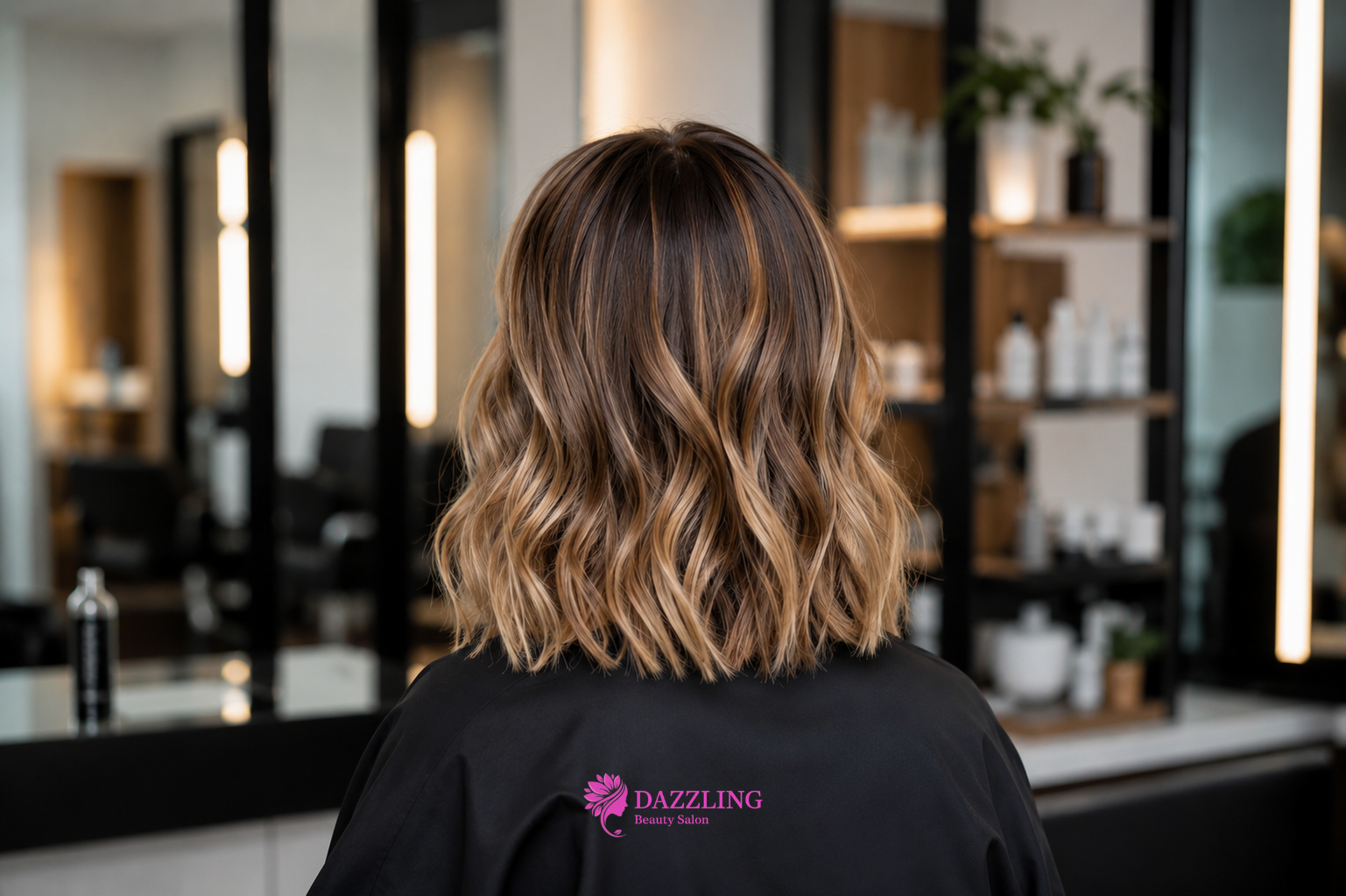
Your Go-To Guide for Finding the Perfect Hairstyle for You
Picking out a hairstyle isn’t just about choosing a pretty picture from a magazine. The right style should complement your face shape, hair texture, and lifestyle, while still being trendy and low-maintenance. If you're looking for a style that looks great and fits your day-to-day life, this guide is here to help. We’ll cover important factors, the latest trends, and some pro tips to make your decision easier.
At Dazzling Beauty Salon, we're all about helping you find a hairstyle you’ll love, whether you're going for a big change or just a little update. Our women's haircut and hair styling services are designed to give you a look that’s both personal and easy to manage. If you’re curious about current styles, check out our soft waves guide for more inspiration.
Why does this matter? Well, the right hairstyle can change how you feel about yourself and even save you time in the morning. Plus, it ties into other hair choices like color and styling methods. The best cut should simplify your life, not complicate it.
Start With Your Face Shape, But Don’t Stop There
Why Face Shape is a Good Starting Point
Face shape is a handy guide when choosing a haircut, but it’s not the only factor. Different shapes balance differently: oval faces are versatile, round faces might need styles that add height or length, and square faces can be softened with layers. These are good guidelines, but they’re not set in stone.
Think of face shape as the starting point. Features like your jawline, forehead, and cheekbones all play a role. A style that looks great on someone with the same face shape might not suit you if your hair texture or styling habits differ.
Measuring Your Face Shape at Home
If you’re not sure about your face shape, measure the width of your forehead, cheekbones, and jawline, and compare those to the length of your face. Stand in front of a mirror, pull your hair back, and note where the widest and narrowest points are. This will help you see if your face is balanced, elongated, or angular.
Once you know your proportions, you can narrow down haircuts that give you the look you want. For softness, think layers or curtain bangs. For structure, consider a blunt line or bob. For a more tailored approach, a professional hair styling consultation can turn general advice into a personalized style.
Match the Haircut to Your Hair Texture and Density
Straight, Wavy, Curly, and Coily Hair Act Differently
Your hair texture affects how a style looks and grows out. Straight hair shows off lines and precision, wavy hair loves movement, and curly or coily textures need careful planning to manage volume and moisture. A style that works for one texture might need too much effort on another.
Trends also look different on various textures. A textured bob, for example, is popular because it adds movement without stiffness. According to Vogue, shiny finishes are also on the rise, so healthy hair is key. If frizz or coarseness is an issue, treatments like keratina or botox capilar can help.
Density Matters as Much as Texture
Hair density, or how much hair you have, influences a style’s appearance. Fine hair might need layers or a shorter cut to avoid looking flat, while thick hair often benefits from weight removal. Dense hair holds dramatic styles well but can get bulky if not cut correctly.
Stylists consider both texture and density when planning a cut. That’s why a women's haircut consultation should include a chat about how your hair behaves naturally. A cut that aligns with your hair's natural tendencies means less time fighting it and more time enjoying it.
Let Your Lifestyle Guide Your Choice
Be Honest About Your Morning Routine
The best hairstyle is one that fits how much time and effort you want to put into it. If you’re always in a rush or prefer low-maintenance grooming, choose a style that looks good with little fuss. Cuts like a lob, textured bob, or layered medium cut are usually easier to manage than styles needing daily heat tools.
Consider how often you’re willing to wash, blow-dry, or trim your hair. If your routine is simple, pick a style that air-dries well and holds its shape. Our between-visits care guide offers tips to keep your hair looking good for longer.
Your Work and Social Life Matter
Your haircut should support your daily activities. If you attend events or meetings often, you might want a versatile style that can be jazzed up in different ways. If you're more active, a look that can be tied back or worn naturally might suit you better.
According to the U.S. National Library of Medicine, hair health and styling can affect breakage and scalp comfort over time. This is where professional advice becomes useful: your hairstyle should fit your calendar and your features.
Follow Trends Without Losing Your Style
Textured Bobs, Vintage Layers, and Curtain Bangs
As of 2026, textured bobs are popular because they’re modern and polished. Vintage styles from the '90s, like layered cuts and curtain bangs, are making a comeback, offering movement and a youthful vibe. Sleek, shiny finishes are also in for a refined look.
The trick with trends is to take elements that suit you rather than copying a look entirely. If you like curtain bangs but not the maintenance, ask your stylist to soften the shape. If you’re drawn to bobs but want more movement, consider textured ends. For more ideas, check out our effortless style guide.
Vintage Looks with a Modern Twist
Older styles are back because they feel familiar but fresh. Layers add bounce, and curtain bangs can update a look without drastic changes. These elements are great if you want something fashionable but not too trendy.
Trend reports from HairGo highlight the appeal of nostalgic shapes and movement, reflecting what many clients want: something flattering and adaptable. Use trends as a guide, not a rule.
Pick a Style That Complements Your Color and Skin Tone
Color Changes Everything
Color can dramatically alter a hairstyle's look. Dimensional color makes layers pop, while a single deep shade can make a blunt cut look fuller. Highlights bring movement to long hair, and glosses can make simple cuts appear luxurious. Think about how your haircut will work with any color changes you plan.
If you're considering a color refresh, think about how your cut will support it. A sleek bob pairs well with a shiny color, while long layers can highlight soft tones. For those interested in a full makeover, hair dye and color touch-up services can help keep everything balanced. If your old color needs fixing first, color correction might be the way to go.
Healthy Shine Completes the Look
In 2026, glossy hair is a key part of the style conversation. Healthy shine makes a haircut look intentional, even if it's simple. Think about hydration, heat protection, and maintenance when planning your new style.
For a look at protecting your hair from stress, our sun protection guide explains how weather and dryness can affect your hair. A style only shines when the hair underneath is well-cared-for.
Consider Maintenance and Growth Pattern
Ask How the Cut Will Grow Out
A good hairstyle should still look good as it grows. Some cuts need regular trims, while others are more forgiving between visits. If you know you can't make frequent salon trips, ask how the shape will evolve.
Maintenance is more than trims. It includes washing frequency, heat styling, and product use. If you don’t like using tools daily, choose a cut that dries naturally. For those whose hair loses shape easily, salon support can help. A shampoo service can reset your scalp, while regular hair styling appointments help you understand how your hair behaves.
Use Professional Help to Customize Your Style
Why a Stylist’s Eye Matters
Online inspiration is great, but a stylist can see details a photo can’t show. A pro can evaluate balance, density, and how your hair moves. This is especially valuable when considering big changes.
Industry trends now favor personalization over one-size-fits-all rules. A stylist can recommend a shape that works with your features and routine. If you want a tailored experience, a custom women's haircut consultation can give you clarity before committing.
Bring Photos, and Bring Context Too
Photos are useful for showing what you like, but the most helpful part is explaining why you like them. Is it the bangs, length, volume, or texture? Once you know, a stylist can adapt that element to your hair.
Discuss how much time you want to spend styling, whether you use heat, and what has or hasn't worked before. This helps prevent disappointment and ensures the result feels like you. A good consultation turns inspiration into a realistic haircut plan.
Real-Life Examples of Hairstyle Transformations
Client Makeover: From Flat to Fabulous
One common salon transformation is taking hair from flat to full of life. The fix isn’t always cutting more off; sometimes it’s about reshaping for movement. A textured bob or layered cut can add volume and reduce heaviness.
These changes often have a bigger impact than expected. Clients often feel lighter, more modern, and more confident after. The new style might also be easier to maintain at home, making the change even more satisfying.
Celebrity Looks Work Best When Personalized
Celebrity hairstyles are popular because they look great in photos, but they’re usually styled by pros. The key is not to copy the exact look but to understand what makes it work: face-framing layers, shine, volume, or a strong silhouette. Once you get the principle, make it your own.
For instance, a celebrity-inspired bob might work for someone seeking sophistication, while a layered cut with bangs might suit someone wanting softness. The best hairstyle is the one that captures you at your best.
Common Questions About Picking Your Perfect Hairstyle
How Do I Know If a Haircut Will Suit Me?
Look at your face shape, texture, density, and lifestyle. If a haircut fits these factors, it’s likely to be flattering and easy to manage. A stylist can help match your desires with what your hair can support.
What If My Features Don’t Fit a Clear Shape?
That's normal. Many people don't fit one category. This is why personal consultations matter. Focus on what you like, such as cheekbones or volume, rather than trying to fit into a mold.
How Often Should I Trim My Hair?
It depends on the cut. Shorter styles usually need trims every four to eight weeks, while longer styles can go longer. For guidance specific to your haircut, our trim schedule guide breaks down timing by length and texture.
What If My Hair Doesn’t Hold Style Well?
If your hair loses style quickly, it might be a matter of product choice or a cut that doesn’t work with your texture. Layering, removing weight, or choosing a more supportive shape can help. Check out our style hold guide for more tips.
Final Tips for Choosing a Hairstyle You’ll Love
Balance Inspiration with Reality
The best hairstyle is appealing but also practical. It should work on busy mornings, with your natural texture, and through different seasons. If you live in a warm climate or have a packed schedule, a low-maintenance style might be better than one needing daily effort.
When changing your look, think about support rather than restriction. Pick a cut that highlights your features, fits your habits, and has a maintenance plan you can handle. If color is involved, services like gray hair touch-up can keep the look fresh between major appointments.
Book a Consultation and Choose Confidently
Deciding on a new hairstyle is easier with professional guidance. A stylist can explain how a cut will move, its maintenance needs, and how it fits your goals. This kind of support often leads to better outcomes than picking from photos alone.
If you're ready to find your perfect hairstyle, start with a consultation. Discuss your face shape, texture, habits, and goals openly. Dazzling Beauty Salon is here to help create a look that feels flattering, manageable, and up-to-date. Book your appointment, bring your ideas, and let us craft a hairstyle that truly works for you.